• HOME
  • Container Gardens
  • Houseplants
  • Edible Gardening
  • Garden Design
  • Caring for Your Yard
  • Flowers
  • Pest & Problem Fixes
  • Trees, Shrubs & Vines
  • Landscaping
  • Garden Plans
  • Gardening Routine
  • Terms of Use
  • About Us
  • Privacy Policy
stormspark.topstormspark.top
  • HOME
  • Container Gardens
  • Houseplants
  • Edible Gardening
  • Garden Design
  • Caring for Your Yard
  • Flowers
  • Pest & Problem Fixes
  • Trees, Shrubs & Vines
  • Landscaping
  • Garden Plans
  • Gardening Routine
stormspark.top stormspark.top
stormspark.top » Caring for Your Yard » How to Restring a Weed Whacker in 4 Simple Steps
Caring for Your Yard

How to Restring a Weed Whacker in 4 Simple Steps

19.3K
963
404
How to Restring a Weed Whacker in 4 Simple Steps

Whether your garden is neat and tidy or a little on the wild side, weed trimmers can be very useful tools when vegetation becomes overgrown or appears where you don't want it. Most models will need the line replaced once in a while, so knowing how to restring your weed whacker correctly and efficiently is key. A new weed trimmer will probably come pre-strung with string and ready to go. If it comes without string, however, you can purchase pre-strung spools for it. (It's also a good idea to have an extra pre-strung spool ready for use in case you run out of string in the middle of a landscaping project.)

So what do you do if your weed trimmer comes without string or you've run out of string during a job? How exactly do you restring it? Just follow these simple steps to get back to whipping your yard into shape.

Step 1: Remove Existing Spool

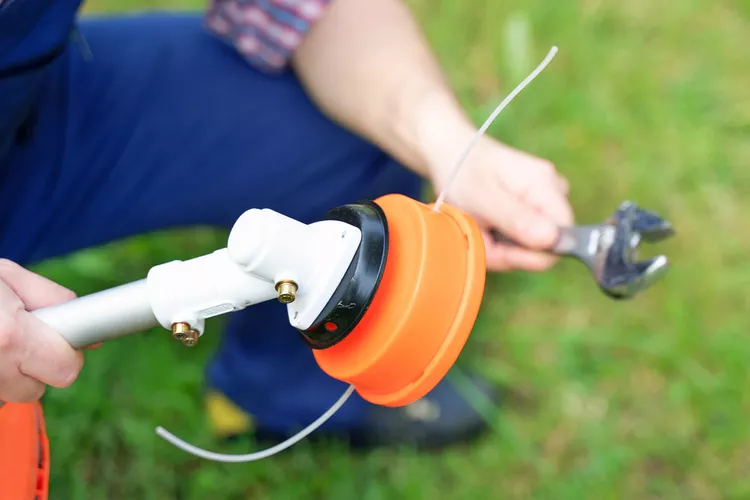
Whether you're starting with a pre-strung spool or you're going to restring your existing spool, you will first need to remove it from the motor housing. There are multiple ways in which your model of trimmer might have the trimmer head or spool attached, but most will have two tabs that can be pushed simultaneously. Some commercial models, however, will have screws that need to be removed with a screwdriver.

Step 2: Cut String to Size

Before restringing a new line onto the spool, you will need to determine the proper length of string and how many pieces to cut. The amount needed will vary depending on the model of weed whacker you have. Smaller units will require less while larger units will more often require more. The amount of string can run anywhere from 8 feet to 25 feet, so it is best to know ahead of time how much line to pre-cut. Some weed trimmers will have one string while others will have two.

Step 3: Wrap the Line Around the Spool

With the spool removed and string cut to size, the next step is to begin wrapping the string onto the spool. The spool will have one or two holes in which to insert the end of the string or strings and hold it in place. The spool will indicate which way to begin wrapping the string–usually an arrow. In the direction indicated, begin tightly wrapping the string around the spool. If your trimmer has two strings, wrap both at the same time while being careful to keep each in its individual valley without crossing over. Wrapping the string neatly in the spool will ensure that it easily feeds through the proper mechanism. Some spools will have additional notches to hold the string in place until affixing to the weed trimmer.

Step 4: Attach Spool to Trimmer

Finally, secure the spool back onto the trimmer head and slip the string through the guide holes in the unit. You can allow for about 5 inches of string to pull through to begin, but initial length isn't especially important as it will adjust when the trimmer is turned on and tapped against the ground. Any excess line will be cut off.

Inevitably, there will be some variation between makes and models of weed trimmers. That's why it's very important to read the user's manual before operating a new piece of equipment. As there are many types of weed trimmers, there are also many types of string to choose from as well. Choosing the correct gauge will enable the trimmer to function properly and extend not only the life of the line, but the trimmer as well. As with any garden tool or machinery, always follow safety precautions and double-check your work.

Related Posts

30.3K
1.2K
424

6 Pretty Options for a Basket Filled with Hanging Shade Plants

49.3K
4.4K
797

How to Plant a Wheelbarrow Fairy Garden

42.1K
841
252

9 Dish Garden Designs That Will Bring the Outdoors In

8K
481
72

5 Best Raised Bed Garden Layouts—and How to Choose the Right One for Your Space

26.4K
527
205

12 Backyard Waterfall Ideas to Transform Your Space

45.4K
907
99

5 Smart Solutions for Dealing with Poor Drainage in Your Yard

19.1K
765
359

3 Common Mistakes to Avoid When Growing Flowers from Seeds That I Learned the Hard Way

43.8K
3.5K
911

17 Edible Flowers for Adding Stunning Color and Flavor to Your Plate

47.3K
3.8K
1.8K

How to Grow Air Plants That Don’t Need Soil to Survive

16.7K
501
145

How to Propagate Orchids Successfully, Depending on Type

45.7K
4.6K
684

This Bold Shade Garden Plan Brims with Color and Texture

43.5K
870
87

The Best Plants for Birds That Produce Lots of Seeds to Feed Them

48.3K
2.4K
966

Create a Formal Landscape

2.3K
159
71

How to Dry Hydrangeas Like Experts Do

35.7K
1.1K
375

Do Squirrels Eat Tomatoes? 6 Ways to Protect Your Harvest

22.8K
683
95

Is Thyme a Perennial or Annual Plant?

47.4K
947
113

Lemon Tree Leaves Curling? 5 Causes and How to Fix the Problem

24.4K
1.5K
395

How to Plant and Grow Spinach for Its Lush, Leafy Greens

47.9K
4.3K
732

How to Control Japanese Garden Beetles When They Invade Your Yard

26.9K
2.7K
1.2K

How to Make a Vinegar Weed Killer to Use on Walkways and Driveways

6 Pretty Options for a Basket Filled with Hanging Shade Plants
How to Plant a Wheelbarrow Fairy Garden
9 Dish Garden Designs That Will Bring the Outdoors In
5 Best Raised Bed Garden Layouts—and How to Choose the Right One for Your Space
12 Backyard Waterfall Ideas to Transform Your Space
5 Smart Solutions for Dealing with Poor Drainage in Your Yard
3 Common Mistakes to Avoid When Growing Flowers from Seeds That I Learned the Hard Way
17 Edible Flowers for Adding Stunning Color and Flavor to Your Plate
How to Grow Air Plants That Don’t Need Soil to Survive
How to Propagate Orchids Successfully, Depending on Type
This Bold Shade Garden Plan Brims with Color and Texture
The Best Plants for Birds That Produce Lots of Seeds to Feed Them
Create a Formal Landscape
How to Dry Hydrangeas Like Experts Do
Do Squirrels Eat Tomatoes? 6 Ways to Protect Your Harvest
Is Thyme a Perennial or Annual Plant?
Lemon Tree Leaves Curling? 5 Causes and How to Fix the Problem
How to Plant and Grow Spinach for Its Lush, Leafy Greens
How to Control Japanese Garden Beetles When They Invade Your Yard
How to Make a Vinegar Weed Killer to Use on Walkways and Driveways
stormspark.top ©2026
  • Terms of Use
  • About Us
  • Privacy Policy