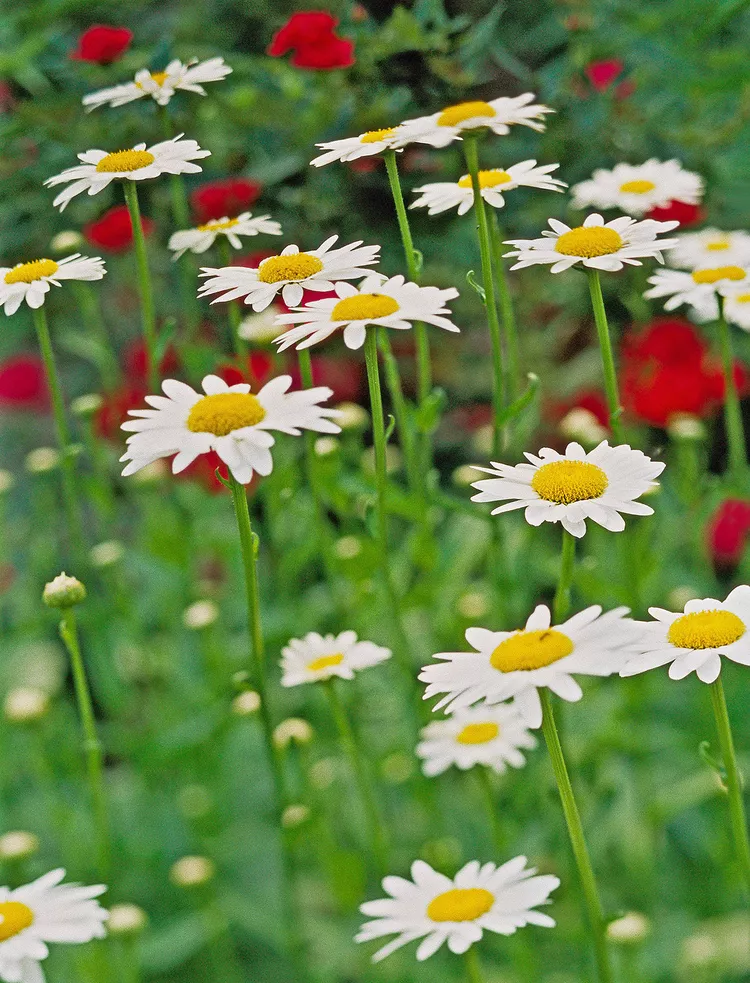
As the weather turns cooler at the end of the growing season, you may wonder, "Is verbena a perennial that will return every year?" The answer depends on which type of verbena you're growing and your local climate. Although many types are technically perennials, gardeners usually grow verbena as annuals, buying the plants from the garden center in spring, enjoying them all summer, and allowing them to die with the arrival of frost in autumn. Here's how long you can expect your verbena plants to last.
Is Verbena a Perennial?
Verbena is a diverse group of plants with both annual and perennial species. Some are grown as ornamental plants that offer clusters of small, star-shaped flowers in shades of pink, purple, red, and white. They can bloom for weeks and attract pollinators.
Plant tags or descriptions often list verbenas as “half-hardy annuals.” What does that mean? Plants listed as half-hardy annuals are often technically perennials that don't have a high tolerance for frost and cold weather, so they're treated as annuals instead. Verbenas are also referred to as tender perennials because they're sensitive to freezing temperatures and likely won't survive winters in cold climates.
Types of Verbena
Most verbenas grown in gardens are hardy in USDA Zones 8-11, although a few will tolerate colder climates. Verbena perennials are primarily short-lived, lasting only a few years.
Garden Verbena
Garden verbena (Verbena x hybrida) is the most commonly grown type. It’s available in single and bicolor flowers in dozens of colors. Many have a trailing habit and work well in hanging baskets, planters, and window boxes. Upright varieties of garden verbena are excellent for flower beds and large planters. They bloom reliably throughout the summer, although they may slow down a bit in sweltering weather and pick up again as temperatures cool. Newer hybrids tolerate heat and dry conditions well and require less deadheading.
Blue Vervain
Blue vervain (Verbena hastata) is a native wildflower that attracts pollinators. Its blooms are arrayed in a group of spikes that look like a candelabra. They open like snapdragons, with bottom blooms opening first and proceeding up the stalk. Unlike many verbenas, blue vervain will tolerate wetter soil. It is hardy in Zones 3-8.
Purpletop Vervain
Purpletop vervain (Verbena bonariensis) is hardy in Zones 7-11. Its wiry stems reach 3-6 feet tall and bear clusters of small purple flowers that are popular with pollinators, especially butterflies. It is native to South America and is sometimes considered a weed in warm-climate states, where it can reseed aggressively. The long stems and airy flowers make an attractive cut flower for the vase, and the plants are easy to grow from seed.
Rose Verbena
Rose verbena (Verbena canadensis) is native to much of the mid-South United States. It's more cold tolerant than many verbenas and is hardy in Zones 5-9. It does best in drier, sandy soils and grows in a mounded shape, spreading along the ground. Rose verbena is excellent for rock gardens or the front edge of perennial borders.
Tuberous Verbena
Tuberous verbena, also called rigid verbena or slender vervain (Verbena rigida), is a spreading groundcover. This verbena, native to South America but naturalized in the American South, spreads by rhizomes. It flowers in 2-3 inch clusters of lilac-colored blooms and does well in containers. It is hardy in Zones 7 to 10, though it may need winter protection in the colder portion of the range.
Lemon Verbena
Lemon verbena (Aloysia citrodora) is in the same family of plants as other verbenas but is in a different genus, so it doesn't look very similar. It's actually a woody shrub hardy in Zones 8-11. Its leaves are very fragrant and are often used to impart a citrus flavor to baked goods such as cookies and drinks, including lemon verbena tea.
When to Plant Verbenas
Given most verbenas' sensitivity to freezing temperatures, they should be planted out after the danger of frost has passed in spring. Plant them outside about the same time as your tomatoes and other warm-loving plants. Don't forget to harden them off for a week or ten days first, setting them outside for progressively longer periods and bringing them in at night.
More About Perennial Plants for Your Garden
With our planting guide, you can make the most of your perennials and learn which plants to pair them with to make your garden as full of flowers as possible. If you have challenging clay soil, these 24 perennial plants are the best options for your yard. Avoid these common mistakes when planting perennials, and you'll be rewarded with colorful blooms. Get started with this garden plan and add pink, purple, and yellow blossoms.