
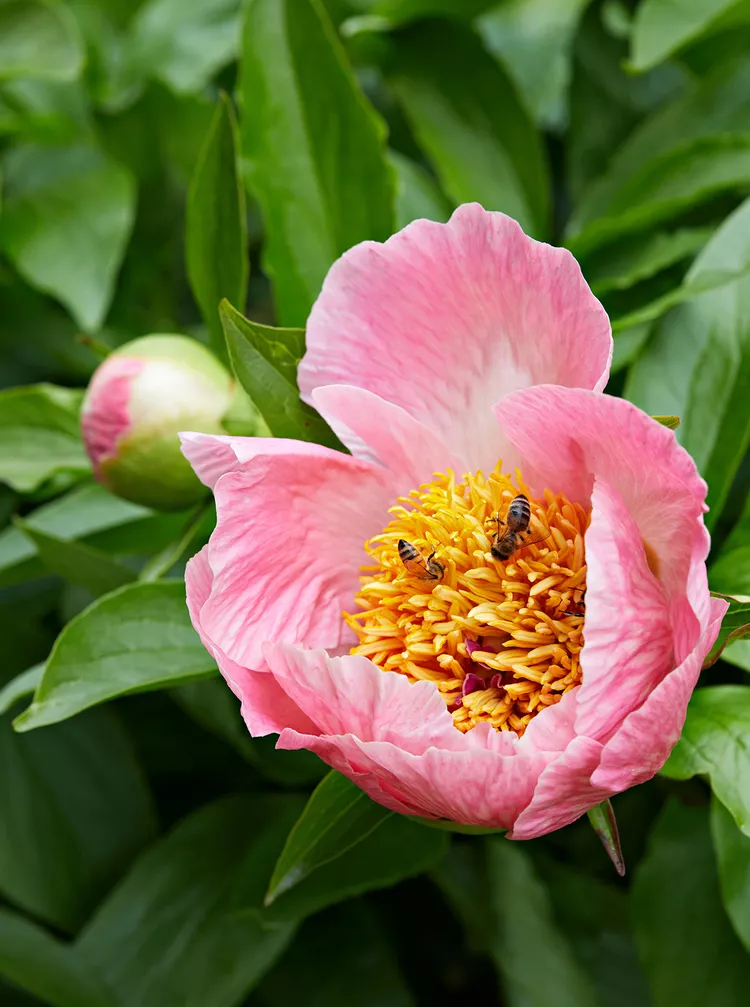
Honeybees are efficient, hard workers that have a big impact on gardens and crops. Without them, our food choices would be extremely limited. Apples, citrus, blueberries, cucumbers, cantaloupes, avocados, and almonds are among the many crops that are pollinated by these busy insects. Unfortunately, honeybee populations have been declining for the last several years because of diseases and human-caused factors like pesticide use. You can help this important pollinator by taking up beekeeping, which is an easier and more rewarding hobby than you might think (unless you're allergic to bee stings, then this isn't the right project for you). Whether you're trying to decide which type of bee to keep or want to know what equipment you need, these tips will help you get started.
Why Honeybees are Disappearing
Honeybee colonies have been on the decline since the 1990s. One of the causes is parasites that take over beehives. The varroa mite is the most widespread hive nemesis. The tiny mites reproduce in colonies, lay eggs in honey cells, and suck energy from adult bees. In the last 2o years, scientists have also observed a phenomenon that affects bees called colony collapse disorder (CCD). This happens when worker bees disappear, sometimes overnight, leaving the queen behind and the whole hive dies.
Pesticides also play a role in the decreasing bee population worldwide. Numerous scientific studies have shown that pesticide spraying spreads chemicals that harm bees and their environment. Plus, bees need pollen, water, and a place to live. Urban sprawl makes it harder for them to find these things.
Creating a Safe Beekeeping Environment
If you want to become a beekeeper, one of the first steps to consider is where you'll keep the bees. Even though bees can thrive in city neighborhoods, even on rooftops, it's important to consider your neighbors and local zoning ordinances. Some municipalities will allow you to keep bees on lots that are less than a fourth of an acre, but anything smaller may not be the best site.
When properly sited, honeybee hives don't pose a safety threat, but for those unfamiliar with bees or who might be allergic to stings, a hive right next door might be a little concerning. Look for a spot that has some distance from neighbors and from areas where children and pets play. Place the hive where the bees' direct flight path in and out of the hive will be 15-20 yards from houses or spaces where people enjoy outdoor activities. A tall screen such as a hedge or fence, or the wall of a building near the hive encourages the bees to fly up and away when leaving the hive, avoiding encounters with people.
A nearby water source, no farther than a quarter-mile, is important, too. A shallow pan or a birdbath filled with water, along with rocks or a sandy slope on which bees can rest, will help keep bees on your property and out of your neighbor's yard. The water source can't dry up or bees will likely head to nearby watering spots, such as a neighbor's pool.
Myths About Keeping Bees
Unless you've actually tried it, you probably have a picture in your head of what beekeeping is like. Here are some assumptions about this hobby that are often incorrect:
- You need a big yard. The average suburban yard (about a quarter of an acre) is plenty. For easy bee comings and goings, a hive should have at least 10 feet of open space surrounding it. Hives should face southeast (for morning sun) and have shade during the afternoon, if possible.
- It's expensive. Gear and bees cost about $300. For about $200 you can get a starter kit that includes a hive, leather gloves, bee veil, smoker, hive tool, and instructions. Bee colonies run $90-$100 and are available in the spring from local suppliers.
- It takes a lot of time. You'll need to devote about 30 minutes a week during the spring and summer to inspect the hive and check on the queen and the honeycomb-making progress.
- A swarm is bad. It looks menacing, but a swarm is a natural occurrence and the bees in it aren't in defensive mode. It happens when a hive gets too crowded, so some or all of the colony leaves in search of another home. Sometimes swarms rest in an inconvenient place (in a tree by a school, for example). To find a specialist to relocate one, go to honeybeeswarmremoval.com.
:strip_icc():focal(745x465:747x467):format(webp)/beekeeper-putting-on-suit-781a1ab7-28b4c4e3ab9841b08b2ed43009551952.jpg)
:strip_icc():focal(596x913:598x915):format(webp)/beekeeper-holding-smoking-container-ab0711f4-13b4e503ab0e46da95d11a2fd743cdc0.jpg)
Beekeeping Equipment You'll Need
Besides an investment of less than $300 and a few minutes of care each week, you'll also need a few tools and other equipment. Standard items and estimated prices include:
- A veil and gloves: They come with and without hats. More mesh means better ventilation. Look for gloves that go above the elbow.
- A smoker: Send the smoke from burning newspaper and pine needles into the hive to keep the bees calm.
- A hive tool: The mini crowbar lifts out frames and scrapes off excess wax.
- A hive: You can find hives of different sizes, finishes, and materials.
- The bees themselves: A three-pound package includes about 10,000 bees and a queen.
Editor's Tip: Avoid purchasing used equipment, which can harbor bacteria and diseases.
Popular Bee Types for Keeping
Since its arrival from Europe in the 17th century, the western honeybee (Apis mellifera) has been bred for various and distinct attributes. The most popular breeds for hobbyists include:
- Buckfast: Excellent honey producers that do well in cold, wet winters.
- Carniolan: High marks for overwintering and gentleness. (Yes, some bees have a gentle side.)
- Italian: Good honey producers and popular in the South, where winters are mild.
- Russian: A bit more aggressive, but they're mite-resistant and withstand cold winters.
The Best Time to Start Beekeeping
The best time to order equipment and bees is in the fall or early winter, for delivery of the bees in spring. Early winter is an excellent time to take advantage of classes offered by beekeeping associations. Most beekeepers love to share their knowledge, so look for one to be a mentor and you'll soon be on your way to a beneficial, enjoyable hobby or business that offers sweet rewards.