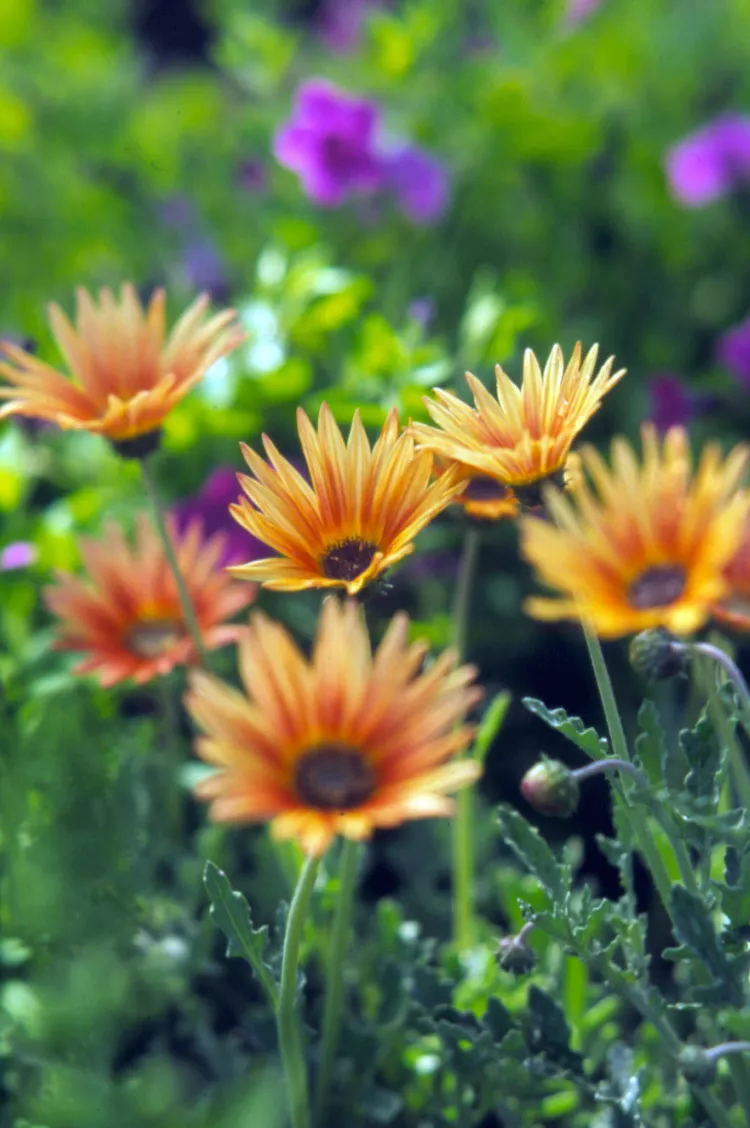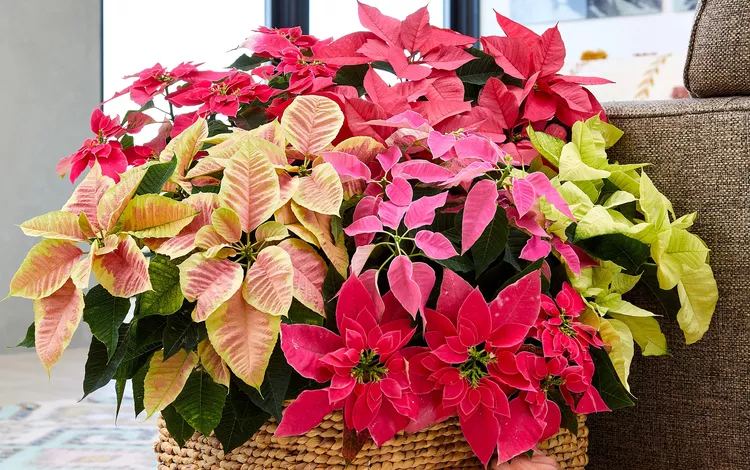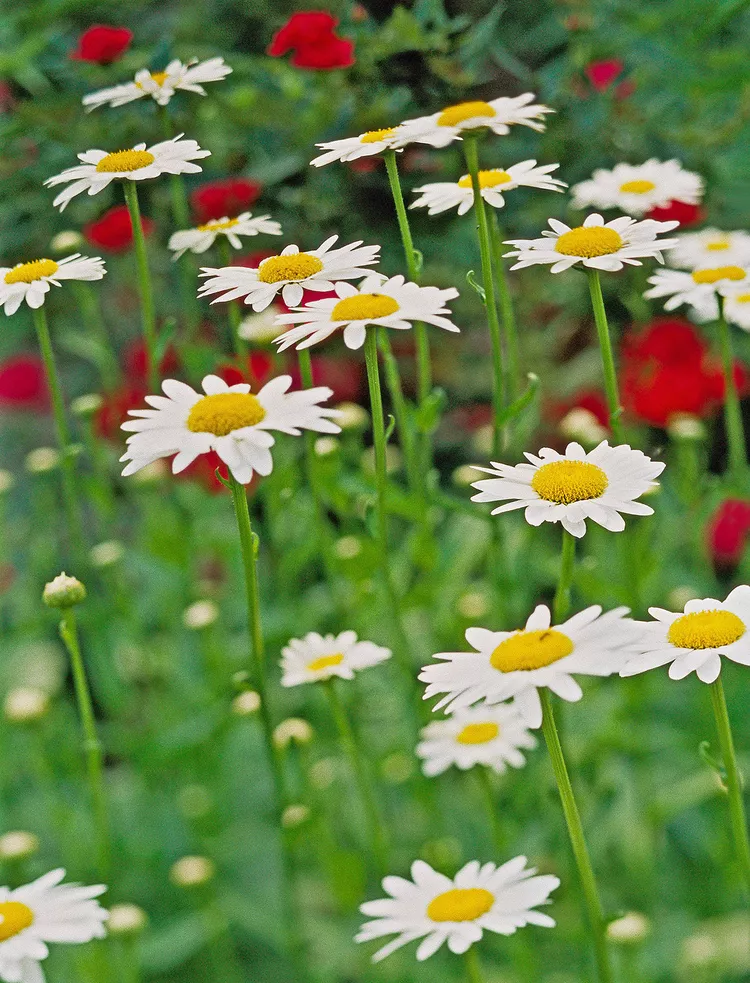
Call it a 1970s throwback or the latest craze in the maker movement, but dried flowers are back in a big way. They are the perfect accent to wreaths, long-lasting bouquets, or other decorating projects. Plus, drying flowers you've grown yourself is an excellent way to extend your enjoyment of the fruits of your labors. Luckily, it's easy to preserve all sorts of flowers, either through air drying them, giving them a spin in your microwave, or using silica gel. Just follow these simple steps, and then find out how to best maintain your dried flowers so they last as long as possible.
How to Air Dry Flowers
To dry most types of flowers, you can let nature do the work. Blooms with sturdy stems, such as hydrangeas and globe thistles can be dried just by leaving them in an empty vase in a cool room with low humidity. However, you'll likely get better results by hanging flowers upside down so they won't droop while drying.
Materials
- Flowers
- Garden scissors or floral snips
- String or dental floss
- Fan, optional
Step-by-step
- Choose the flowers you want to dry. Blooms that are not completely open and are not quite mature will dry the best. Flowers will continue to open as they dry and may lose petals if fully mature.
- Use sharp garden scissors or floral snips to cut the flowers. It's best to cut them in the morning, after the dew has dried.
- Remove unneeded foliage.
- Group flowers into small bundles or leave them as individual blooms. Use string or dental floss to hang flowers upside down in a cool, dark, dry, indoor spot. To prevent mold, space out the blooms so that air circulates well around each bundle (optional: place a fan on a low setting nearby to promote air circulation).
- Let flowers dry until they feel dry and stiff to the touch. This may take several days or several weeks, depending on conditions and the type of flowers. Larger flowers and flowers with large petals will take longer to dry.
Tie flowers to a clothes hanger to make them easier to hang.
How to Dry Flowers in the Microwave
Materials
- Flowers
- Garden scissors or floral snips
- Shallow, microwave safe container
- Silica sand or borax (sodium borate) and cornmeal
Step-by-step
- Choose the flowers you want to dry. Flowers will continue to open as they dry and may lose petals if fully mature, so opt for blooms that are not completely open and are not quite mature. Cut flowers in the morning, just after the dew dries, for best results.
- Separate the stems from the flower heads and place the heads in a shallow, microwave-safe container.
- Gently cover the flowers in silica sand or an equal mixture of borax (sodium borate) and cornmeal. Fill trumpet- or cup-shaped flowers with the mixture to help them keep their shapes.
- Place the uncovered container in the microwave and "cook" on high for a minute. Check to see if the flowers have completely dried; if not, microwave for another 30 seconds and check again; repeat until completely dry. Flowers that have thick petals take longer to dry than those that are thin.
- Leave the flowers in the mixture for at least a day after microwaving them to allow them to finish drying.
How to Dry Flowers Using Silica Gel
Freeze flowers in time by submerging them in silica gel, drying crystals available at crafts stores. It will preserve petal shape and color a little better than air drying or microwaving. If you're drying full flowers like peonies, you'll need to separate the flower head from the stem before submerging them in the crystals. Once dry, rejoin the stem to the head with hot glue and florist tape ($1, Etsy). Small flowers can stay intact, just make sure they are completely submerged.
Materials
- Flowers
- Garden scissors or floral snips
- Silica gel (also called floral drying crystals)
- Shallow dish
- Soft, small makeup brush
- Hot glue, optional
- Floral tape, optional
Step-by-step
- Choose the flowers you want to dry. Flowers will continue to open as they dry and may lose petals if fully mature, so opt for blooms that are not completely open and are not quite mature. Cut flowers in the morning, just after the dew dries, for best results.
- If using smaller flowers, place them in the shallow dish. If your blooms are larger, remove the stems an inch or so below the flower heads. Place both the flower heads and the stems in the shallow dish.
- Fill the dish with the silica gel, so the flowers are completely submerged in the crystals.
- Let the blooms sit in the silica for one to two days (larger blooms will take longer), or until completely dry. Once dry, tip them upside down and use a makeup brush to remove any extra crystals.
- If needed, reattach the flower heads to the stems with hot glue and floral tape.
Tips for Maintaining Dried Flowers
When you take a little care of your dried flowers, they can last for months and even years before they fade or fall apart. Here's how:
- Keep dried flowers out of direct sunlight to reduce fading.
- Keep dried flowers away from heat vents.
- Dust dried flowers as needed with a feather duster.
- When not in use, store dried flowers in a box in a dry place away from dry heat.