
• HOME
  • Container Gardens
  • Houseplants
  • Edible Gardening
  • Garden Design
  • Caring for Your Yard
  • Flowers
  • Pest & Problem Fixes
  • Trees, Shrubs & Vines
  • Landscaping
  • Garden Plans
  • Gardening Routine
  • Terms of Use
  • About Us
  • Privacy Policy
stormspark.topstormspark.top
  • HOME
  • Container Gardens
  • Houseplants
  • Edible Gardening
  • Garden Design
  • Caring for Your Yard
  • Flowers
  • Pest & Problem Fixes
  • Trees, Shrubs & Vines
  • Landscaping
  • Garden Plans
  • Gardening Routine
stormspark.top stormspark.top
stormspark.top » Garden Design » How to Make a Wire Cloche to Protect Plants from Hungry Critters
Garden Design

How to Make a Wire Cloche to Protect Plants from Hungry Critters

45.6K
2.3K
410
How to Make a Wire Cloche to Protect Plants from Hungry Critters
Project Overview
  • Total Time: 1 hour, 30 minutes
  • Skill Level: Beginner
  • Estimated Cost: $20 to $25
  • Yield: One cloche

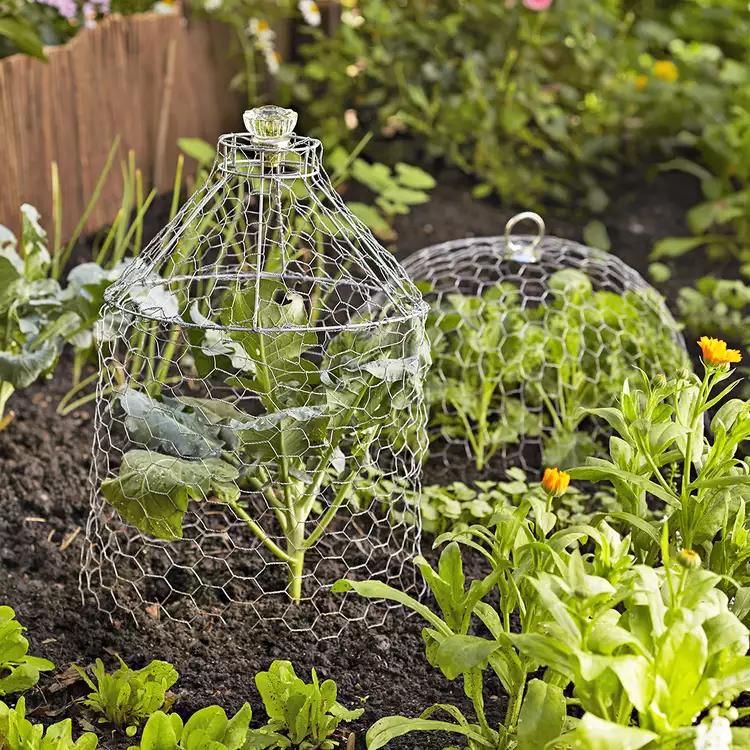
Traditionally, chicken wire is used to keep poultry safe from predators and fence in gardens, protecting plants from hungry rabbits and other critters. No wonder the inexpensive hexagonal mesh proves essential for a gardener’s toolshed. Chicken wire is lightweight yet durable and flexible enough for shaping. The netting forms a practical see-through wire cloche that makes an interesting accent in the garden.

What You'll Need

Equipment / Tools

  • Tape measure
  • Gloves
  • Tin snips
  • Needle-nose pliers
  • Adjustable pliers

Materials

  • 1 12-inch nursery pot
  • Chicken wire
  • Wire lampshade frame
  • Glass doorknob
  • Garden staples

Instructions

  1. Measure and Cut Chicken Wire

    Measure the circumference of the nursery pot that will be used to help form the base of the cloche (a 12-inch-diameter pot has a circumference of approximately 38 inches); wearing gloves and using tin snips, cut a comparable length of chicken wire. Cut chicken wire to the desired height—as tall as or taller than the pot. Cut a semicircular piece of chicken wire to fit around the lampshade frame.

  2. Shape Chicken Wire Around Frame

    Wrap the semicircular chicken wire around the lampshade frame, bending and squeezing the wire to fit snugly on the frame to form the top of the wire cloche. Cut away excess wire and use needle-nose pliers to wrap cut ends around the chicken wire.

  3. Create Chicken Wire Cloche Cylinder

    Wrap the length of chicken wire loosely around the pot, forming a cylinder for the cloche bottom. Use needle-nose pliers to wrap any cut ends of the wire around the adjoining chicken wire. Slide the mesh cylinder off the pot.

  4. Connect Top and Bottom of Cloche

    Attach the wire cloche bottom (mesh cylinder) to the cloche top. Use adjustable pliers to twist the top edge of the cylinder around the bottom edge of the lampshade frame, wrapping any cut ends and pinching the edges to secure.

  5. Attach Door Knob

    Wiggle and wedge a glass doorknob or other decorative accent into an opening at the wire cloche top. Use needle-nose pliers to pinch the wire together to hold the knob in place. Snug the bottom edge of the cloche into the garden soil. Use two or three garden staples to hold the cloche firmly in place. This step is crucial to prevent critters from crawling under the cloche.

Related Posts

30.3K
1.2K
424

6 Pretty Options for a Basket Filled with Hanging Shade Plants

49.3K
4.4K
797

How to Plant a Wheelbarrow Fairy Garden

42.1K
841
252

9 Dish Garden Designs That Will Bring the Outdoors In

8K
481
72

5 Best Raised Bed Garden Layouts—and How to Choose the Right One for Your Space

26.4K
527
205

12 Backyard Waterfall Ideas to Transform Your Space

45.4K
907
99

5 Smart Solutions for Dealing with Poor Drainage in Your Yard

19.1K
765
359

3 Common Mistakes to Avoid When Growing Flowers from Seeds That I Learned the Hard Way

43.8K
3.5K
911

17 Edible Flowers for Adding Stunning Color and Flavor to Your Plate

47.3K
3.8K
1.8K

How to Grow Air Plants That Don’t Need Soil to Survive

16.7K
501
145

How to Propagate Orchids Successfully, Depending on Type

45.7K
4.6K
684

This Bold Shade Garden Plan Brims with Color and Texture

43.5K
870
87

The Best Plants for Birds That Produce Lots of Seeds to Feed Them

48.3K
2.4K
966

Create a Formal Landscape

2.3K
159
71

How to Dry Hydrangeas Like Experts Do

35.7K
1.1K
375

Do Squirrels Eat Tomatoes? 6 Ways to Protect Your Harvest

22.8K
683
95

Is Thyme a Perennial or Annual Plant?

47.4K
947
113

Lemon Tree Leaves Curling? 5 Causes and How to Fix the Problem

24.4K
1.5K
395

How to Plant and Grow Spinach for Its Lush, Leafy Greens

47.9K
4.3K
732

How to Control Japanese Garden Beetles When They Invade Your Yard

26.9K
2.7K
1.2K

How to Make a Vinegar Weed Killer to Use on Walkways and Driveways

6 Pretty Options for a Basket Filled with Hanging Shade Plants
How to Plant a Wheelbarrow Fairy Garden
9 Dish Garden Designs That Will Bring the Outdoors In
5 Best Raised Bed Garden Layouts—and How to Choose the Right One for Your Space
12 Backyard Waterfall Ideas to Transform Your Space
5 Smart Solutions for Dealing with Poor Drainage in Your Yard
3 Common Mistakes to Avoid When Growing Flowers from Seeds That I Learned the Hard Way
17 Edible Flowers for Adding Stunning Color and Flavor to Your Plate
How to Grow Air Plants That Don’t Need Soil to Survive
How to Propagate Orchids Successfully, Depending on Type
This Bold Shade Garden Plan Brims with Color and Texture
The Best Plants for Birds That Produce Lots of Seeds to Feed Them
Create a Formal Landscape
How to Dry Hydrangeas Like Experts Do
Do Squirrels Eat Tomatoes? 6 Ways to Protect Your Harvest
Is Thyme a Perennial or Annual Plant?
Lemon Tree Leaves Curling? 5 Causes and How to Fix the Problem
How to Plant and Grow Spinach for Its Lush, Leafy Greens
How to Control Japanese Garden Beetles When They Invade Your Yard
How to Make a Vinegar Weed Killer to Use on Walkways and Driveways
stormspark.top ©2026
  • Terms of Use
  • About Us
  • Privacy Policy