
• HOME
  • Container Gardens
  • Houseplants
  • Edible Gardening
  • Garden Design
  • Caring for Your Yard
  • Flowers
  • Pest & Problem Fixes
  • Trees, Shrubs & Vines
  • Landscaping
  • Garden Plans
  • Gardening Routine
  • Terms of Use
  • About Us
  • Privacy Policy
stormspark.topstormspark.top
  • HOME
  • Container Gardens
  • Houseplants
  • Edible Gardening
  • Garden Design
  • Caring for Your Yard
  • Flowers
  • Pest & Problem Fixes
  • Trees, Shrubs & Vines
  • Landscaping
  • Garden Plans
  • Gardening Routine
stormspark.top stormspark.top
stormspark.top » Houseplants » What’s the Difference Between Monstera and Split-Leaf Philodendron?
Houseplants

What’s the Difference Between Monstera and Split-Leaf Philodendron?

20.7K
827
115
What’s the Difference Between Monstera and Split-Leaf Philodendron?

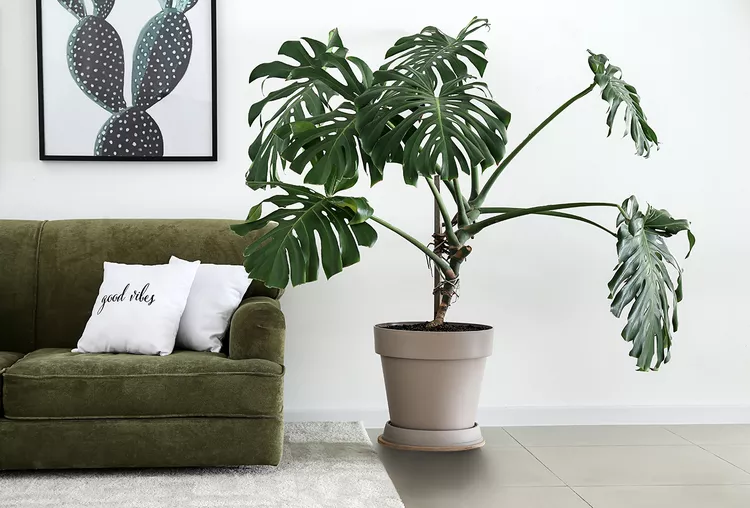
Through social media, millennials have rekindled a love of houseplants. One plant has become especially famous—or at least Instagram-famous. It’s immediately evocative of a tropical rainforest: huge, dark green, waxy leaves, with interesting perforations in them that don’t even imply poor care. This is Monstera deliciosa. Or is it a split-leaf philodendron?

The monstera, as it’s often called, is tropically native to Mexico, where it’s mainly prized for its fruit (hence the scientific name). But it also thrives as a houseplant: It doesn’t need much water, tolerates medium amounts of sunlight, and can grow impressively large.

This is also a plant with a wide variety of names, many referring to its tasty fruit (“fruit salad plant,” “monster fruit”) and some to its leaves. Those leaves, in the right environment, develop holes. “Swiss cheese plant” is one monstera nickname that references to those holes. Another is split-leaf philodendron.

Philodendrons are a pretty large genus of flowering plants; if you’re into gardening, you’re probably familiar with some of its members, like the peace lily. But the monstera is not, technically speaking, a philodendron at all.

Both the monstera and true philodendrons are part of the arum family, a much larger group of plants that also includes the ever-popular pothos, one of the world’s prettiest and easiest houseplants. These plants are all pretty similar: They have similar water and light needs, they come from roughly the same climate, and they contain calcium oxalate, which makes them toxic to both humans and pets. Many of these plants have interesting leaf shapes, with lacy fingers, broad lobes, heart-shaped leaves, or bright pink veins. The monstera certainly looks and acts like a philodendron, even though it isn’t classified as one.

This is where it gets complicated. There are two true species of philodendron that also go by the name split-leaf philodendron: Philodendron bipinnatifidum and Philodendron selloum. These plants are both completely different plants than monstera, but go by the same nickname in some cases. No wonder we’re confused!

Plant naming can be tricky, with plants having totally different names depending on where you are or who’s describing them. Common plant names can even differ by region and generation. You might want to start brushing up on your Latin names!

Related Posts

30.3K
1.2K
424

6 Pretty Options for a Basket Filled with Hanging Shade Plants

49.3K
4.4K
797

How to Plant a Wheelbarrow Fairy Garden

42.1K
841
252

9 Dish Garden Designs That Will Bring the Outdoors In

8K
481
72

5 Best Raised Bed Garden Layouts—and How to Choose the Right One for Your Space

26.4K
527
205

12 Backyard Waterfall Ideas to Transform Your Space

45.4K
907
99

5 Smart Solutions for Dealing with Poor Drainage in Your Yard

19.1K
765
359

3 Common Mistakes to Avoid When Growing Flowers from Seeds That I Learned the Hard Way

43.8K
3.5K
911

17 Edible Flowers for Adding Stunning Color and Flavor to Your Plate

47.3K
3.8K
1.8K

How to Grow Air Plants That Don’t Need Soil to Survive

16.7K
501
145

How to Propagate Orchids Successfully, Depending on Type

45.7K
4.6K
684

This Bold Shade Garden Plan Brims with Color and Texture

43.5K
870
87

The Best Plants for Birds That Produce Lots of Seeds to Feed Them

48.3K
2.4K
966

Create a Formal Landscape

2.3K
159
71

How to Dry Hydrangeas Like Experts Do

35.7K
1.1K
375

Do Squirrels Eat Tomatoes? 6 Ways to Protect Your Harvest

22.8K
683
95

Is Thyme a Perennial or Annual Plant?

47.4K
947
113

Lemon Tree Leaves Curling? 5 Causes and How to Fix the Problem

24.4K
1.5K
395

How to Plant and Grow Spinach for Its Lush, Leafy Greens

47.9K
4.3K
732

How to Control Japanese Garden Beetles When They Invade Your Yard

26.9K
2.7K
1.2K

How to Make a Vinegar Weed Killer to Use on Walkways and Driveways

6 Pretty Options for a Basket Filled with Hanging Shade Plants
How to Plant a Wheelbarrow Fairy Garden
9 Dish Garden Designs That Will Bring the Outdoors In
5 Best Raised Bed Garden Layouts—and How to Choose the Right One for Your Space
12 Backyard Waterfall Ideas to Transform Your Space
5 Smart Solutions for Dealing with Poor Drainage in Your Yard
3 Common Mistakes to Avoid When Growing Flowers from Seeds That I Learned the Hard Way
17 Edible Flowers for Adding Stunning Color and Flavor to Your Plate
How to Grow Air Plants That Don’t Need Soil to Survive
How to Propagate Orchids Successfully, Depending on Type
This Bold Shade Garden Plan Brims with Color and Texture
The Best Plants for Birds That Produce Lots of Seeds to Feed Them
Create a Formal Landscape
How to Dry Hydrangeas Like Experts Do
Do Squirrels Eat Tomatoes? 6 Ways to Protect Your Harvest
Is Thyme a Perennial or Annual Plant?
Lemon Tree Leaves Curling? 5 Causes and How to Fix the Problem
How to Plant and Grow Spinach for Its Lush, Leafy Greens
How to Control Japanese Garden Beetles When They Invade Your Yard
How to Make a Vinegar Weed Killer to Use on Walkways and Driveways
stormspark.top ©2026
  • Terms of Use
  • About Us
  • Privacy Policy