
• HOME
  • Container Gardens
  • Houseplants
  • Edible Gardening
  • Garden Design
  • Caring for Your Yard
  • Flowers
  • Pest & Problem Fixes
  • Trees, Shrubs & Vines
  • Landscaping
  • Garden Plans
  • Gardening Routine
  • Terms of Use
  • About Us
  • Privacy Policy
stormspark.topstormspark.top
  • HOME
  • Container Gardens
  • Houseplants
  • Edible Gardening
  • Garden Design
  • Caring for Your Yard
  • Flowers
  • Pest & Problem Fixes
  • Trees, Shrubs & Vines
  • Landscaping
  • Garden Plans
  • Gardening Routine
stormspark.top stormspark.top
stormspark.top » Landscaping » How to Design a Garden by Plant Height
Landscaping

How to Design a Garden by Plant Height

9.1K
181
18
How to Design a Garden by Plant Height

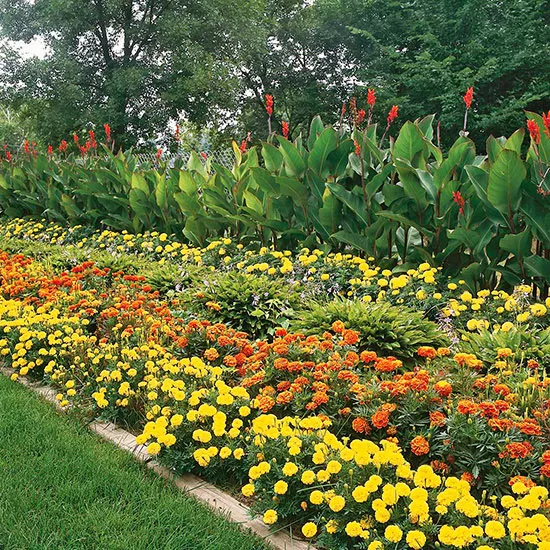
Get a balanced look in your garden by arranging your plants by height. The simplest approach is to follow a short-to-tall format, with ground-hugging plants tucked along the edges of the beds and taller plants anchored to the back of the border. This tried-and-true method works wonderfully in beds with a distinct front and back. For containers or island beds viewed from all sides, tweak the technique by placing the tallest plants in the center. Then stair-step the plants outward, placing the shortest ones along the pot or bed edges.

When selecting plants, keep them in scale with their surroundings. For instance, if a bed skirts a 4-foot-tall fence, add plants that will reach a little above the fenceposts. If you select plants that are nowhere near the height of the fence, the structure will seem more prominent and may even appear to cage in the plants.

Once you've selected the tallest plant, stair-step the rest of the heights downward. A general rule is to step the heights down by half. So underplant a 6-foot-tall 'Pretoria' canna with a 3-foot-tall orange-flowering zinnia. Purple-toned ageratum or a Gomphrena that tops out at 18 inches strikes a pretty pose next to the zinnia. To supersize the planting, place an even taller castor bean or sunflower behind the cannas. If you don't have a structure to influence your plant selection, select the tallest plant to be equal to half the width of the planting area.

When choosing plants to surround a birdbath or sculpture, pick plants no more than two-thirds the height of the object they'll surround. When you purchase plants at a garden center, try to find large specimens to stage side-by-side comparisons. You can still purchase smaller plants to save money, but you'll be able to see their scale in relationship to one another. If you goof on scale and pair a tall banana with a creeping verbena, the look may be more cartoonish than attractive. Luckily, it's easily remedied. You can always pull and replant, or add midsize plants between the two. Less-forgiving scale mistakes occur when choosing an arbor or sculpture. If you err on the too-big side, you'll have to live with an object that looks like it escaped from a giant's garden, and it will overshadow your plantings. If you select an item that's too small, the other plants will overwhelm it, and it will be hard to see.

Trailers as Groundcovers

When you need to cover ground, consider trailing plants. While they look great cascading out of a container, they apply
that same growth habit
to create a colorful carpet in planting beds. Good choices include spreading petunia (such as Wave), Bidens, creeping zinnia, and purple heart.

Size It Up

While size is relative, in general you can count on these quick-color annuals and tender perennials to fill holes in a planting design for tall, medium, and short plants.

Tall (48-72 inches)

  • Angel's trumpet
  • 'Mahogany Splendor' hibiscus
  • Sunflower
  • Castor bean
  • Ornamental millet

Medium (18-48 inches)

  • Cleome
  • Coleus
  • Magilla Perilla
  • Blue anise sage
  • Zinnia

Short (4-18 inches)

  • Impatiens
  • Petunia
  • Vinca
  • Ageratum
  • Creeping zinnia

Related Posts

30.3K
1.2K
424

6 Pretty Options for a Basket Filled with Hanging Shade Plants

49.3K
4.4K
797

How to Plant a Wheelbarrow Fairy Garden

42.1K
841
252

9 Dish Garden Designs That Will Bring the Outdoors In

8K
481
72

5 Best Raised Bed Garden Layouts—and How to Choose the Right One for Your Space

26.4K
527
205

12 Backyard Waterfall Ideas to Transform Your Space

45.4K
907
99

5 Smart Solutions for Dealing with Poor Drainage in Your Yard

19.1K
765
359

3 Common Mistakes to Avoid When Growing Flowers from Seeds That I Learned the Hard Way

43.8K
3.5K
911

17 Edible Flowers for Adding Stunning Color and Flavor to Your Plate

47.3K
3.8K
1.8K

How to Grow Air Plants That Don’t Need Soil to Survive

16.7K
501
145

How to Propagate Orchids Successfully, Depending on Type

45.7K
4.6K
684

This Bold Shade Garden Plan Brims with Color and Texture

43.5K
870
87

The Best Plants for Birds That Produce Lots of Seeds to Feed Them

48.3K
2.4K
966

Create a Formal Landscape

2.3K
159
71

How to Dry Hydrangeas Like Experts Do

35.7K
1.1K
375

Do Squirrels Eat Tomatoes? 6 Ways to Protect Your Harvest

22.8K
683
95

Is Thyme a Perennial or Annual Plant?

47.4K
947
113

Lemon Tree Leaves Curling? 5 Causes and How to Fix the Problem

24.4K
1.5K
395

How to Plant and Grow Spinach for Its Lush, Leafy Greens

47.9K
4.3K
732

How to Control Japanese Garden Beetles When They Invade Your Yard

26.9K
2.7K
1.2K

How to Make a Vinegar Weed Killer to Use on Walkways and Driveways

6 Pretty Options for a Basket Filled with Hanging Shade Plants
How to Plant a Wheelbarrow Fairy Garden
9 Dish Garden Designs That Will Bring the Outdoors In
5 Best Raised Bed Garden Layouts—and How to Choose the Right One for Your Space
12 Backyard Waterfall Ideas to Transform Your Space
5 Smart Solutions for Dealing with Poor Drainage in Your Yard
3 Common Mistakes to Avoid When Growing Flowers from Seeds That I Learned the Hard Way
17 Edible Flowers for Adding Stunning Color and Flavor to Your Plate
How to Grow Air Plants That Don’t Need Soil to Survive
How to Propagate Orchids Successfully, Depending on Type
This Bold Shade Garden Plan Brims with Color and Texture
The Best Plants for Birds That Produce Lots of Seeds to Feed Them
Create a Formal Landscape
How to Dry Hydrangeas Like Experts Do
Do Squirrels Eat Tomatoes? 6 Ways to Protect Your Harvest
Is Thyme a Perennial or Annual Plant?
Lemon Tree Leaves Curling? 5 Causes and How to Fix the Problem
How to Plant and Grow Spinach for Its Lush, Leafy Greens
How to Control Japanese Garden Beetles When They Invade Your Yard
How to Make a Vinegar Weed Killer to Use on Walkways and Driveways
stormspark.top ©2026
  • Terms of Use
  • About Us
  • Privacy Policy