Cooking Oil Scandal Revives Fears About Food Safety in China
Tainted Cooking Oil Scandal Shakes China's Food Safety Confidence
A major Chinese state-run food company's cooking oil has been removed from leading online stores after concerns over contamination have revived consumer fears over food safety in a country scarred by past scandals. The swift reaction and public outrage highlight the ongoing challenges China faces in restoring trust in its food supply chain.Uncovering the Unsavory Truth: China's Cooking Oil Contamination Crisis
Sinograin's Sordid Saga
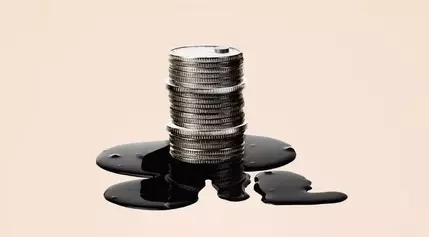
The "Jinding" brand cooking oil, produced by the state-owned conglomerate China Grain Reserves Corp. (Sinograin), was swiftly withdrawn from platforms like Taobao and JD.com. This followed a report in the state-run Beijing News, which described a disturbing practice at Sinograin's soybean oil crushing facilities. Tankers were allegedly being filled with soybean oil immediately after unloading inedible coal oil, without any checks for cleanliness.The speed with which the products were taken down from virtual shelves and the public outrage that ensued underscore the deep-seated concerns Chinese consumers have regarding food quality. This scandal comes at a particularly sensitive time for Beijing's leadership, as the party's most senior officials prepare to gather in the capital, and consumer confidence is already fragile.Regulators Respond with Renewed Vigilance
In response to the allegations, Sinograin has launched an internal investigation and vowed to punish any employees found to have violated regulations. Regulators have also stepped up their scrutiny, with the State Administration for Market Regulation establishing a joint investigation team to look into the alleged use of fuel tankers to transport cooking oil.The Communist Party-run People's Daily has referred to the tank truck incident as a practice that was effectively "an open secret," further highlighting the systemic nature of the problem. The newspaper's stern warning that "there should be no tolerance for any problems in food safety" in China underscores the gravity of the situation.A History of Food Safety Scandals
China's food safety woes are not new. The country has been rocked by a series of high-profile food-related scandals over the years, which continue to reverberate in the public consciousness. The 2008 incident involving adulterated milk, which killed six children and poisoned some 300,000 more, remains a painful memory. More recently, in 2022, a top pork processor apologized for sanitary failings after a report showed meat dropping on the floor and workers in dirty uniforms.These recurring incidents have eroded public trust in the safety of China's food supply, with one Weibo user bluntly stating, "There's no food safety. We only need to make sure food won't lead to death after being eaten."Rebuilding Confidence in China's Food System
The latest cooking oil scandal is a stark reminder of the ongoing challenges China faces in ensuring the integrity of its food supply chain. As the country grapples with the fallout from this incident, it will need to take decisive action to regain the trust of its citizens.This may involve strengthening regulatory oversight, implementing more rigorous quality control measures, and holding accountable those responsible for any lapses in food safety. Additionally, greater transparency and open communication with the public could help rebuild the confidence that has been shaken by these recurring scandals.Ultimately, the success of China's efforts to address its food safety issues will not only impact the well-being of its citizens but also the country's broader economic and social stability. The stakes are high, and the path forward will require a sustained, multifaceted approach to ensure that the food on Chinese tables is safe, wholesome, and worthy of consumer trust.