
• HOME
  • Container Gardens
  • Houseplants
  • Edible Gardening
  • Garden Design
  • Caring for Your Yard
  • Flowers
  • Pest & Problem Fixes
  • Trees, Shrubs & Vines
  • Landscaping
  • Garden Plans
  • Gardening Routine
  • Terms of Use
  • About Us
  • Privacy Policy
stormspark.topstormspark.top
  • HOME
  • Container Gardens
  • Houseplants
  • Edible Gardening
  • Garden Design
  • Caring for Your Yard
  • Flowers
  • Pest & Problem Fixes
  • Trees, Shrubs & Vines
  • Landscaping
  • Garden Plans
  • Gardening Routine
stormspark.top stormspark.top
stormspark.top » Pest & Problem Fixes » How to Get Rid of Crabgrass and Replace It with Actual Grass
Pest & Problem Fixes

How to Get Rid of Crabgrass and Replace It with Actual Grass

11.9K
596
119
How to Get Rid of Crabgrass and Replace It with Actual Grass

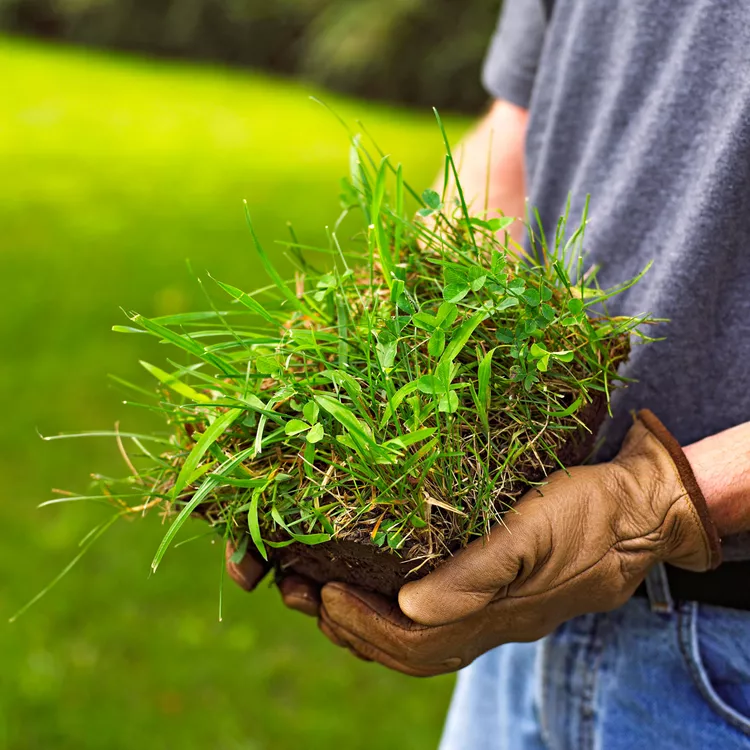
Have you noticed brown patches appearing in your lawn after autumn's first frost? Those unsightly spots usually aren't caused by disease; they're likely caused by crabgrass when it dies in cold temperatures.

This annual grass is a universal problem to homeowners in the U.S. It pops up in spring and develops into large, flat, thick clumps that spread widely, crowding out surrounding lawn grass and other plants. Because it's an annual, crabgrass dies after the first frost in autumn, which leaves behind patchy, bare spots in your lawn. If left untreated, those bare spots will fill in with more crabgrass or other weeds next spring when their seeds sprout. Here's how to get rid of existing crabgrass and prevent it from popping up in the future.

Crabgrass Control Methods

Crabgrass loves hot, dry weather, so you'll usually see it flourish over the summer. One of the best ways to control crabgrass is to maintain a lush, thick lawn and well-mulched flower and vegetable beds. Healthy landscapes (lawns dethatched regularly and mowed to an appropriate height or garden beds given enough water and nutrients) are less likely to be stressed and better able to shade out any weedy invaders like crabgrass.

Rely on an organic mulch to help control crabgrass naturally (without chemicals) in garden beds. Mulch acts as a suffocating blanket by preventing light from reaching weed seeds. At the same time, mulch holds moisture for your plants and provides nutrients for your soil as it decomposes. Apply coarse mulch, such as bark or wood chips, directly onto soil. Shredded leaves, grass clippings, or straw work better as weed deterrents with a separating layer of newspaper or cardboard between them and the soil.

To prevent crabgrass from sprouting on your lawn, apply a preemergent weed killer made from corn gluten meal in the spring, two weeks before your last expected frost. Doing this will kill crabgrass seeds before they have a chance to take root. However, don't use any preemergent products when planting other seeds; they will prevent all seeds from germinating, not just the weeds.

The best indicator for applying crabgrass preventer during the season? Forsythia. This popular landscape shrub is grown for its striking yellow flowers in early spring when most trees and shrubs are still bare. When the blossoms start to drop to the ground, it's time to put down the crabgrass preventer.

How to Get Rid of Crabgrass

Crabgrass also can be eliminated with a product labeled as a crabgrass killer or a non-selective weed killer, meaning it will kill any plant it gets on. If you prefer to avoid products with synthetic chemicals, look for ones that contain concentrated vinegar. Always make sure to follow label instructions when using weed killers. Even vinegar-based ones can burn skin, eyes, and lungs.

Weeding it out by hand is best if you find crabgrass in your edible garden. This plant has shallow roots, but using weeders or a trowel as a crabgrass removal tool will make the job easier. Don't toss the uprooted weeds in your compost pile, though, because they could still reseed themselves. Instead, it's better to toss them in the trash.

If you pull up crabgrass from your lawn, prevent it from coming back by filling in the bare patch with grass seed. Cover it with a light layer of topsoil, and water well to help the seeds sprout. Wait to mow the new grass until it reaches 3 inches tall.

Related Posts

30.3K
1.2K
424

6 Pretty Options for a Basket Filled with Hanging Shade Plants

49.3K
4.4K
797

How to Plant a Wheelbarrow Fairy Garden

42.1K
841
252

9 Dish Garden Designs That Will Bring the Outdoors In

8K
481
72

5 Best Raised Bed Garden Layouts—and How to Choose the Right One for Your Space

26.4K
527
205

12 Backyard Waterfall Ideas to Transform Your Space

45.4K
907
99

5 Smart Solutions for Dealing with Poor Drainage in Your Yard

19.1K
765
359

3 Common Mistakes to Avoid When Growing Flowers from Seeds That I Learned the Hard Way

43.8K
3.5K
911

17 Edible Flowers for Adding Stunning Color and Flavor to Your Plate

47.3K
3.8K
1.8K

How to Grow Air Plants That Don’t Need Soil to Survive

16.7K
501
145

How to Propagate Orchids Successfully, Depending on Type

45.7K
4.6K
684

This Bold Shade Garden Plan Brims with Color and Texture

43.5K
870
87

The Best Plants for Birds That Produce Lots of Seeds to Feed Them

48.3K
2.4K
966

Create a Formal Landscape

2.3K
159
71

How to Dry Hydrangeas Like Experts Do

35.7K
1.1K
375

Do Squirrels Eat Tomatoes? 6 Ways to Protect Your Harvest

22.8K
683
95

Is Thyme a Perennial or Annual Plant?

47.4K
947
113

Lemon Tree Leaves Curling? 5 Causes and How to Fix the Problem

24.4K
1.5K
395

How to Plant and Grow Spinach for Its Lush, Leafy Greens

47.9K
4.3K
732

How to Control Japanese Garden Beetles When They Invade Your Yard

26.9K
2.7K
1.2K

How to Make a Vinegar Weed Killer to Use on Walkways and Driveways

6 Pretty Options for a Basket Filled with Hanging Shade Plants
How to Plant a Wheelbarrow Fairy Garden
9 Dish Garden Designs That Will Bring the Outdoors In
5 Best Raised Bed Garden Layouts—and How to Choose the Right One for Your Space
12 Backyard Waterfall Ideas to Transform Your Space
5 Smart Solutions for Dealing with Poor Drainage in Your Yard
3 Common Mistakes to Avoid When Growing Flowers from Seeds That I Learned the Hard Way
17 Edible Flowers for Adding Stunning Color and Flavor to Your Plate
How to Grow Air Plants That Don’t Need Soil to Survive
How to Propagate Orchids Successfully, Depending on Type
This Bold Shade Garden Plan Brims with Color and Texture
The Best Plants for Birds That Produce Lots of Seeds to Feed Them
Create a Formal Landscape
How to Dry Hydrangeas Like Experts Do
Do Squirrels Eat Tomatoes? 6 Ways to Protect Your Harvest
Is Thyme a Perennial or Annual Plant?
Lemon Tree Leaves Curling? 5 Causes and How to Fix the Problem
How to Plant and Grow Spinach for Its Lush, Leafy Greens
How to Control Japanese Garden Beetles When They Invade Your Yard
How to Make a Vinegar Weed Killer to Use on Walkways and Driveways
stormspark.top ©2026
  • Terms of Use
  • About Us
  • Privacy Policy