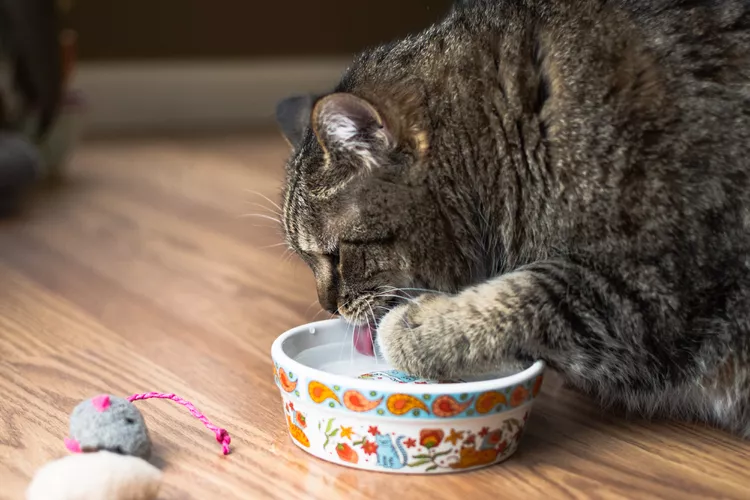
Cats and kittens have a reputation for hating water. Most cats avoid getting wet if at all possible, but some love to play with their water bowls or seek out additional sources of water in their environment. The question is whether they do so because they are curious about water or whether they have an underlying health problem making them drink excessive amounts. If you find your kitten or cat splashing in the water bowl rather than drinking, a health issue may be affecting the cat's innate need for hydration.
As a general rule, kittens are playful and have a natural impulse to manipulate things with their paws. This could be why they might play with, or in, water. Cats groom themselves by licking their fur, so it's unlikely they are using their water bowls for a bathtub. Kittens who play with water are most likely doing so as a way to learn about their environment.
Some cats do like water. Certain breeds, like Maine coons, tend to be more tolerable of water, and if a young kitten is exposed to a lot of water play or baths, they might tolerate bathing and water into their adult years. Finally, some cats just truly prefer freshwater and don't like to drink stagnant water in their bowls. They may be playing with the water to recreate the rippling effect of freshwater.
Before you start to work on behavioral issues, take your cat to the vet to ensure there isn't a medical reason for their interest in water. Diabetes, kidney failure, and thyroid issues can make cats thirsty. They may drink from their water bowls more frequently and create a mess by splashing or pawing at the water if they're not feeling well. They may also seek other sources of water like a faucet or toilet.
Most cats with a health problem show other signs of illness, such as lethargy, confusion, or a change in appetite. It's unusual for a young kitten to have one of these conditions but not impossible, so if you observe your kitten drinking excessive amounts of water or spending a lot of time focused on the water bowl, make sure you contact your veterinarian.
Anxiety or stress sometimes prompts strange behaviors in cats. A cat may put their paws into the water bowl or try to climb in. Separation anxiety often motivates cats to seek attention from owners by exhibiting abnormal behaviors. Sometimes this manifests as litter box issues, such as urine spraying or defecating in an inappropriate area. For some cats, separation anxiety may lead them to splash in the water dish, push it aside, or try to overturn it to get your attention. Obsessive-compulsive disorders can become worse with stress as well. Kittens are rarely affected by these types of long-term behavioral patterns.
Sometimes a kitten playing in the water is just a kitten acting their age. Some young felines love patting around in the water, while others simply can't stand the stuff. Kittens are inclined to grow out of behaviors like splashing in the water, so patience may be the best solution if your young cat is using their water bowl as a toy.
Kitten object play is most active through the 5-month age before declining, so if the behavior doesn't begin to wane by the time the kitten starts reaching maturity, it may be helpful to redirect their focus to a better outlet for play by offering another toy to play with.
If a cat is drinking excess water or spilling water because of a health issue, your vet will help determine the underlying cause and offer treatment options. Your cat may need prescription medication for the condition. Treating the health issue should resolve unwanted water bowl behavior.
Managing stressful situations can be tricky. If you cannot pinpoint the exact problem, a board-certified veterinary behaviorist can help identify it and work with you to help correct the issue. In the meantime, try some tricks that are focused solely on the water bowl:
Ear Mites in Puppies and Dogs
Ear mites can be a big discomfort for puppies and dogs. Learn about the causes, treatment, and prevention to keep mites away from your pets.
5 Common Foods In Your Pantry That Are Not Safe For Your Pets
One potato chip is not going to hurt your pet, but there are other foods that can. Learn which to avoid and some safe foods that can be used as treats.
Metronidazole for Dogs
Metronidazole is a medication that is frequently given to dogs for bacterial infections and protozoan infestations of the colon. Here's what to expect if your dog is on this antibiotic.
Pulled Muscles in Dogs
A pulled muscle is one of the most common injuries seen in dogs. What can you do if your dog pulls a muscle and how can you prevent it?
Giardia in Dogs
Giardia is a parasite that can affect dogs, humans, and other animals. Learn about Giardia in dogs, including causes, diagnosis, and treatment.
Can Cats Have Raw Eggs?
Eggs are known to be a protein-packed breakfast staple in American homes. Can your cat eat raw eggs? Here's your answer.
What to Know Before You Buy Food and Water Bowls For Your Cat
Get some important information you need to know before buying food and water bowls for your cat or kitten.
Can Cats Eat Salami?
The inspiration for a popular series of memes, the answer to "can cats have salami?" is yes--but only in small amounts.
What Fruits Can Cats Eat?
Can cats eat fruit? Learn which fruits are safe for cats and which should be avoided. Here's how to safely offer fruit to your cat as a treat.
Can Dogs Eat Raw Chicken Feet?
What are the potential health benefits of chicken feet for dogs? What are the risks?
What to Know About Byproducts in Cat Food
Byproducts in cat food are safe and can provide excellent nutrition.
Do Cats Cry When They Are Sad or in Pain?
Cats don't cry the way people do. Your cat can produce tears, but not ones of sadness. Explore the truth behind a cat's emotions and what those tears mean.
Cat Bunting Behavior: What Does It Mean?
Cats rub their heads against prominent objects to leave scent markings as a part of scent communication.
Why Do Cats Wag Their Tails?
Understanding cat tail language can reveal the many reasons cats wag their tails, and there are many.
Can Cats See in the Dark?
Cats can see well in the dark but, like humans, they don't have complete night vision. They can see better than humans in low-light situations.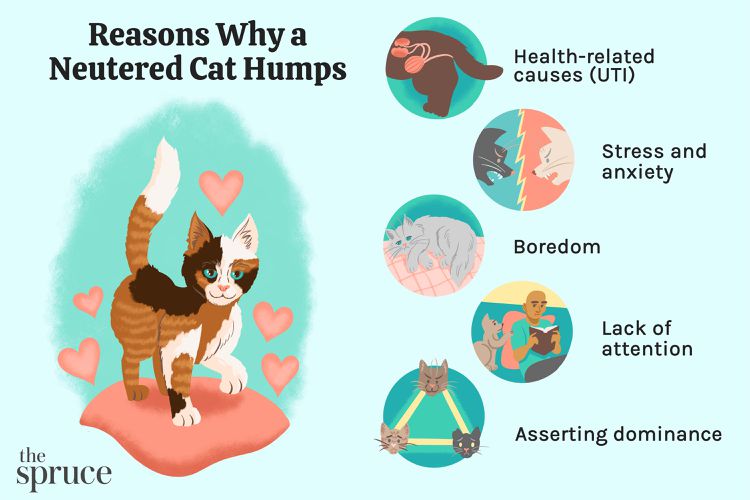
Cat Humping: Why a Neutered Cat Still Mounts
Even if your male cat is neutered, he may continue to mount and hump cats or other objects because of health problems or behavioral issues.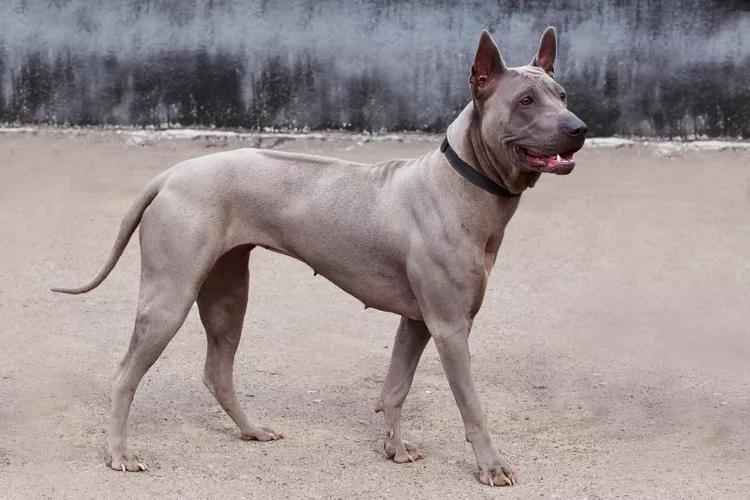
Thai Ridgeback: Dog Breed Characteristics & Care
Learn all about the Thai Ridgeback, a rare breed from Thailand. Find out how to care for the loyal dog and where to buy or adopt one.
Doberman Pinscher (Dobie): Dog Breed Characteristics & Care
Doberman pinschers are intelligent, loyal, and athletic dogs. Find out more about them, including their history, fearless nature, care, and needs.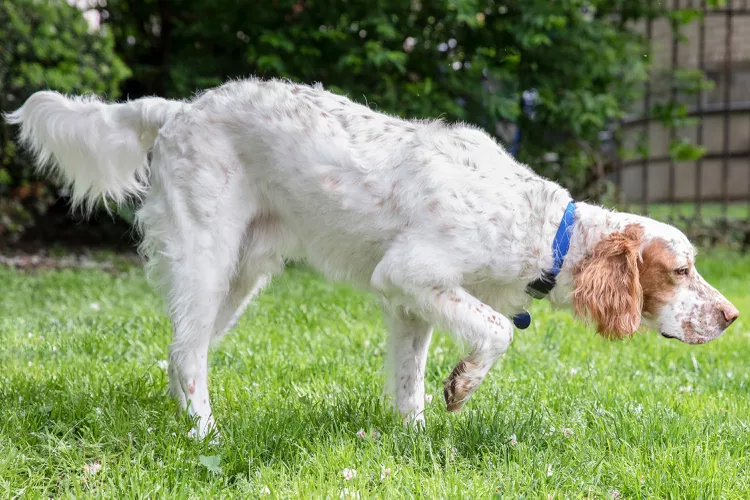
14 Pointer Dog Breeds
Pointers extend past the English or German shorthaired pointer. Learn more about the history and temperament of 14 popular pointing breeds.
Bernedoodle: Dog Breed Characteristics & Care
The Bernedoodle is a hybrid dog breed created by crossing Bernese mountain dogs with poodles. Learn about their fun-loving personality and common health issues.