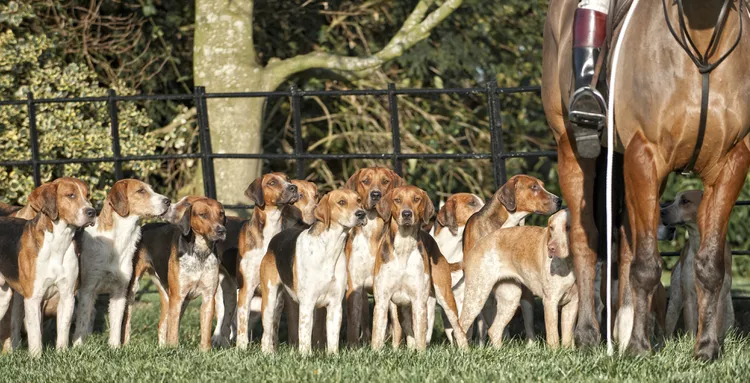
The American foxhound is a medium-sized hound dog breed with a lean and athletic build, long legs, floppy ears, and a short, smooth coat that is typically a mix of white, black, and tan. This distinguished dog breed has plenty of history and heart, and while it may share a resemblance with one of America's most popular dogs, this hound is much more than a larger Beagle. The hardworking foxhound is all-American despite its British and European heritage, and this leggy, vocal breed is best recognized for its melodious bay.
Historically speaking, the American foxhound was prized for its pack hunting prowess, and it was a favorite choice among hunters (particularly on horseback). In more recent years, the breed has found a place in family homes and hearts thanks to its easygoing and friendly nature. American foxhounds are particularly noted for being very patient with children, and they're great companions for active households. If you can meet the activity and environmental needs of this breed, you’ll be delighted to have the loyal foxhound by your side.
Group: Hound
Height: 22 to 25 inches (males); 21 to 24 inches (females)
Weight: 65 to 70 pounds (males); 60 to 65 pounds (females)
Coat: Short, smooth coat
Coat Color: Combinations of white, black, and tan
Life Span: 11 to 13 years
Temperament: Sweet-tempered, active, independent, stubborn, loyal
Hypoallergenic: No
Origin: United States
As pack animals, American foxhounds aren’t content to lead a solitary life. They crave companionship—whether human or animal—and do best in homes with people around for most of the day. Your foxhound will enjoy the company of other dogs when you're away from home.
When well-exercised and socialized, not much seems to rattle the foxhound. However, keep in mind that like all hounds, they were bred to work. These aren't lap dogs; they tend to have an independent temperament and can be shy or standoffish toward strangers. The best way to sum up the American foxhound's personality may be "docile but reserved."
The attributes that make the American foxhound a superb hunter are also a challenge for city life. The dogs possess a unique and far-reaching bay (a special hunting bark that more resembles a howl). This bay is particularly melodious, according to experts, but some foxhounds develop separation anxiety and bay excessively when left alone. Baying is an inherited behavior and can’t be trained out of the dog. Hound enthusiasts love this unique bark, but it also means these dogs are best-suited to rural life.
The origin story of the American foxhound starts across the pond. In 1650, English foxhounds were brought to colonial America from Britain by a man named Robert Brooks. However, the new frontier had its own topography and challenges, and it was recognized early on that the breed needed longer legs to cover the land and keep pace on a hunt. The English foxhound was bred with other European hounds in the United States, and the resulting hunting companion came to be known as the American foxhound.
Perhaps the most famous breeder of the American foxhound was George Washington. As it turns out, America’s founding father was also key to developing the American foxhound as we know it today. Colloquial history holds that in 1785, Washington bred English foxhounds with French hounds he received as gifts from Marquis de Lafayette, a French aristocrat and American military commander. Later, the dogs were crossed with Irish hounds to create a speedier animal that could keep better pace with American foxes. Washington kept careful records regarding the breeding and pedigree of his pack, and thereby greatly contributed to the growth and establishment of this breed.
The American foxhound was first bred in Virginia and Maryland, and it received AKC recognition in 1886. As a nod to the breed’s rich history in the area, Virginia made it the official state dog in 1966. Not generally known as a household pet, the American foxhound has been bred and prized for its sporting ability and seemingly endless stamina. The sport of foxhunting has greatly contributed to the breed’s longevity. In fact, early American history shows that foxhunting was one of the most popular sports for the American gentry until the Civil War era. Even today, the sport is popular in equestrian society and relies on the participation of pack hounds—many of which are the classic American foxhound.
Understanding the nature of the American foxhound is key to living a happy life with this easygoing but energetic breed. These dogs need plenty of exercise every day to be satisfied, and they're known for stubbornly following their own desires (a trait that makes them excel when pursuing a scent on the hunt). In the grooming department, the American foxhound's short coat is easy to care for.
Owners should be aware that these dogs have boundless energy that needs a daily outlet to avoid undesirable behavior. It’s important to remember that American foxhounds were bred for their speed and stamina. They have a seemingly limitless amount of energy, and this comes with significant daily exercise needs. Be prepared to spend up to two hours every day exercising your foxhound. It's best if you have a secure, fenced area for your dog to run in as a supplement to structured exercise time. These dogs love to be on the move, and if they’re left alone in the house, they can become destructive when finding their own entertainment.
Like other scent hounds, the American foxhound has a keen sense of smell and a one-track mind when it gets on the trail of prey. For this reason, you should never trust your foxhound to walk off-leash—especially in the city, where the threat of being hit by a car or becoming lost is even greater. This dog was bred to follow a scent and ignore everything else in its surroundings. This means that your foxhound is very unlikely to follow recall commands if it takes off after birds, cars, people, or other animals.
One area where the foxhound is particularly low-maintenance is grooming. These dogs have a short, smooth coat that lies close to the body. The coarse hair doesn’t become easily matted, but it does have a tendency to shed around the house. Owners should brush this breed about once per week to keep its coat healthy and reduce shedding. Bathe your foxhound on an as-needed basis when its fur becomes noticeably dirty.
Like other dog breeds, foxhounds should also have their teeth brushed, nails trimmed, and ears cleaned on a regular basis. Checking your dog's ears for debris each week and cleaning them monthly is especially important for this breed. Floppy ears hold in moisture, and this makes the foxhound easily susceptible to ear infections. If you notice signs like redness, irritation, swelling, or your dog pawing at its ears and shaking its head often, a trip to the vet should be scheduled as soon as possible to begin medication. Ear infections can progress quickly and become very painful. For dogs that have experienced multiple infections, owners should talk to a veterinarian to determine how often the ears should be cleaned.
The American foxhound has an independent streak that helps it excel in the field, but this can cause challenges in household settings. As a foxhound owner, you should make obedience training a priority from an early age when puppies are about eight weeks old. Otherwise, you may end up with a stubborn dog that resists learning the basics of house training or recall commands.
Positive reinforcement methods are effective for this breed. Training sessions should be kept short and performed frequently to keep the dog interested, as it's likely to wander off when training becomes boring. Avoid any methods that use punishment—these are often counterproductive. Foxhounds have very sensitive personalities and may become fearful of their owners (and thus, less likely to obey their commands) if yelling is involved.
One of America’s oldest breeds, the American foxhound has remained very genetically healthy. These dogs are known for being hardy, however, they may be prone to diseases based on their size and long ears. When adopting a puppy from a breeder, always ask to be provided with the medical history of the litter's parents.
The following conditions can sometimes affect American foxhounds:
Like all dogs, the American foxhound thrives when fed high-quality dog food, either commercial or homemade when supervised by your veterinarian. Keep in mind that these active canines will require a protein-rich food source, and it’s best to skip formulas with a lot of filler. Since these dogs are food-motivated and will likely overeat when given the opportunity, it's best to keep healthy treats to a minimum.
Feed your American foxhound two measured meals per day. If you're unsure how much food your dog needs, ask your veterinarian to help you determine a healthy meal and portion schedule based on your specific dog's age, weight, and activity level.
The American foxhound can bring great joy and unique challenges to your household, so it's helpful to talk to breeders and other foxhound owners before adopting your own. If you're certain this breed is right for you, the best place to find your next best friend is at your local shelter. The foxhound's exercise needs can contribute to it ending up in shelters when owners aren't prepared to keep up with its care. To make an American foxhound part of your pack, check out breed-specific rescues that help these dogs find forever homes.
If you plan to purchase an American foxhound puppy, it's essential to ensure you work with a responsible breeder. Ensure you're provided with the litter's medical records, allowed to meet their parents, and able to see that the dogs are kept in a comfortable, safe indoor location. These puppies typically cost between $500 to $1,000, but prices may vary based on pedigree and availability. Breeders are most likely to be found in regions where hunting is a popular sport.
Breed-specific rescues and the AKC can help you start your search:
Generally healthy with a low-maintenance coat
Easygoing, patient, and loyal to owners and kids
Great stamina as a hiking or running partner
Requires considerable daily exercise
Loud and unique bark that may disturb neighbors
Strong prey drive that tends to override training
If you love the American foxhound, you may also like these similar hound breeds:
There's a whole world of dog breeds out there that can join your family. With a little research, you can find the perfect match to bring home!
American foxhounds make wonderful and loving family dogs for those that can keep up with their exercise needs. These dogs do best in homes with large fenced-in yards to run around in as they please, and they also need consistent companionship from their people or other dogs in the home.
American foxhounds are not known for being aggressive. These sweet-natured, gentle dogs are friendly towards people and other dogs, and they even do well with cats when introduced properly.
Like other hound breeds, American foxhounds bay, which sounds like a cross between a howl and a bark. This bay is essential to let hunters and other canine hunting partners know that they're on the trail of an animal, but because it's in their genes to be excessively vocal, this breed is not recommended for urban living with nearby neighbors.
Ear Mites in Puppies and Dogs
Ear mites can be a big discomfort for puppies and dogs. Learn about the causes, treatment, and prevention to keep mites away from your pets.
5 Common Foods In Your Pantry That Are Not Safe For Your Pets
One potato chip is not going to hurt your pet, but there are other foods that can. Learn which to avoid and some safe foods that can be used as treats.
Metronidazole for Dogs
Metronidazole is a medication that is frequently given to dogs for bacterial infections and protozoan infestations of the colon. Here's what to expect if your dog is on this antibiotic.
Pulled Muscles in Dogs
A pulled muscle is one of the most common injuries seen in dogs. What can you do if your dog pulls a muscle and how can you prevent it?
Giardia in Dogs
Giardia is a parasite that can affect dogs, humans, and other animals. Learn about Giardia in dogs, including causes, diagnosis, and treatment.
Can Cats Have Raw Eggs?
Eggs are known to be a protein-packed breakfast staple in American homes. Can your cat eat raw eggs? Here's your answer.
What to Know Before You Buy Food and Water Bowls For Your Cat
Get some important information you need to know before buying food and water bowls for your cat or kitten.
Can Cats Eat Salami?
The inspiration for a popular series of memes, the answer to "can cats have salami?" is yes--but only in small amounts.
What Fruits Can Cats Eat?
Can cats eat fruit? Learn which fruits are safe for cats and which should be avoided. Here's how to safely offer fruit to your cat as a treat.
Can Dogs Eat Raw Chicken Feet?
What are the potential health benefits of chicken feet for dogs? What are the risks?
What to Know About Byproducts in Cat Food
Byproducts in cat food are safe and can provide excellent nutrition.
Do Cats Cry When They Are Sad or in Pain?
Cats don't cry the way people do. Your cat can produce tears, but not ones of sadness. Explore the truth behind a cat's emotions and what those tears mean.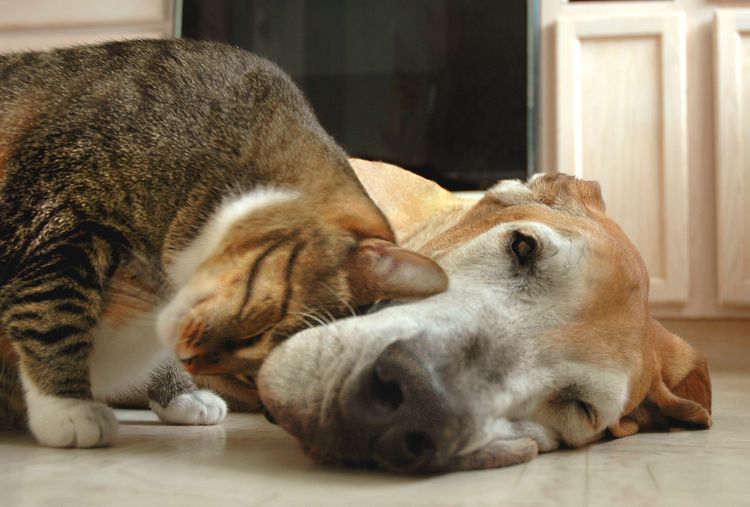
Cat Bunting Behavior: What Does It Mean?
Cats rub their heads against prominent objects to leave scent markings as a part of scent communication.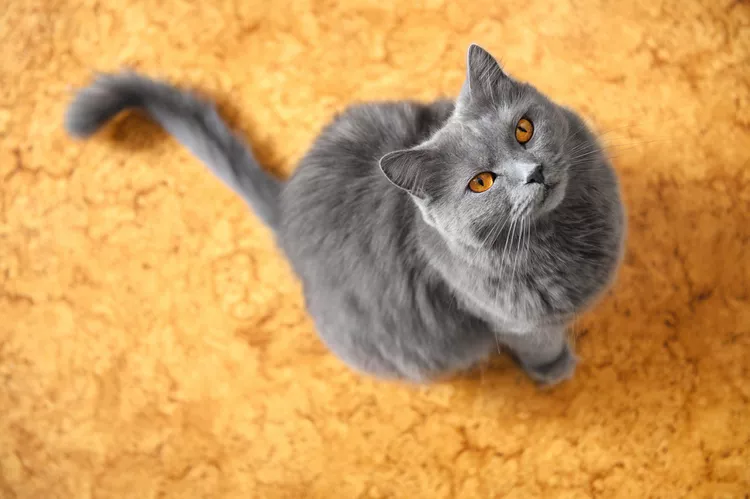
Why Do Cats Wag Their Tails?
Understanding cat tail language can reveal the many reasons cats wag their tails, and there are many.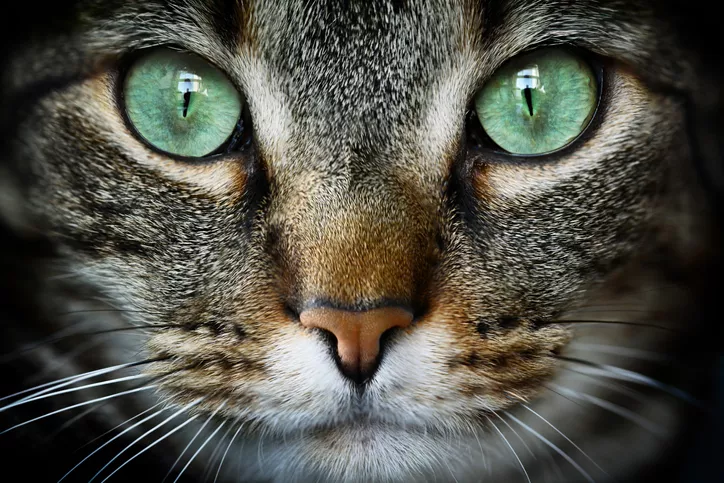
Can Cats See in the Dark?
Cats can see well in the dark but, like humans, they don't have complete night vision. They can see better than humans in low-light situations.
Cat Humping: Why a Neutered Cat Still Mounts
Even if your male cat is neutered, he may continue to mount and hump cats or other objects because of health problems or behavioral issues.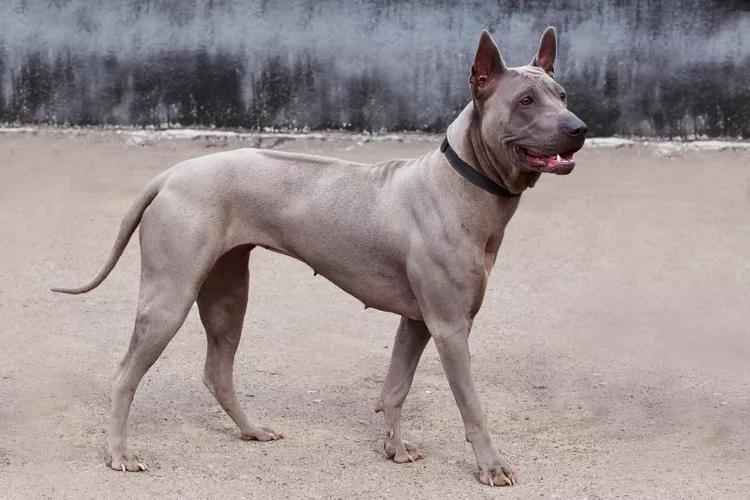
Thai Ridgeback: Dog Breed Characteristics & Care
Learn all about the Thai Ridgeback, a rare breed from Thailand. Find out how to care for the loyal dog and where to buy or adopt one.
Doberman Pinscher (Dobie): Dog Breed Characteristics & Care
Doberman pinschers are intelligent, loyal, and athletic dogs. Find out more about them, including their history, fearless nature, care, and needs.
14 Pointer Dog Breeds
Pointers extend past the English or German shorthaired pointer. Learn more about the history and temperament of 14 popular pointing breeds.
Bernedoodle: Dog Breed Characteristics & Care
The Bernedoodle is a hybrid dog breed created by crossing Bernese mountain dogs with poodles. Learn about their fun-loving personality and common health issues.



:strip_icc():format(webp)/best-hunting-dogs-4177817-final2-e5ce18a1cb45470ea86b5572a03b23e7.png)
:strip_icc():format(webp)/dachshund-649146097-588a2d0f5f9b5874eeeb3417.jpg)