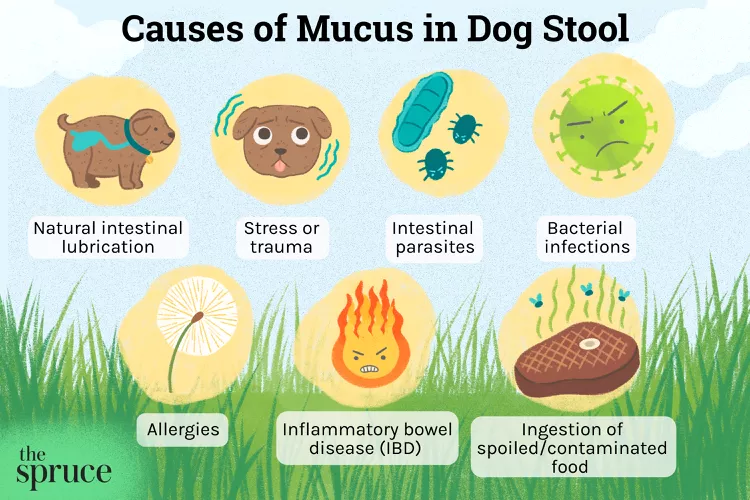
It is common to see mucus in your dog's stool. The clear, slimy, and thick fluid helps lubricate stool moving through your dog's digestive system, and small amounts of visible mucus in your dog's poop on occasion are not usually cause for concern. Mucus can appear on dog poop naturally due to the lubrication of the intestines. That said, if you're seeing it regularly or large amounts are present, that can be a sign of a problem. This is particularly true if your dog is also having diarrhea, vomiting, abdominal pain, or bloody stools.
Common causes of mucus in dog poop include parasites, stress, intestinal inflammation, and dietary issues. A trip to the vet will be necessary to diagnose exactly what is going on, and you will need to bring a stool sample for evaluation. A change in diet can help, or your dog may need an antibiotic or other treatment. Here's what you should do if your dog has mucus in its stool.
Mucus generally looks like clear jelly or slime, although occasionally it can be white or even green. It's very slippery and helps feces move smoothly through the digestive system. You might occasionally notice a bit of this "slime" on your dog's poop, which is nothing to be concerned about. However, if the stool is completely covered in mucus or pooling around the poop, or there's blood mixed in with the mucus, that can be more concerning, especially if it happens frequently or the dog is showing other signs of illness. There are several causes of mucus in dog poop. Here are the most common culprits.
If your dog is prone to scavenging through the trash or eating unsavory items it finds on the ground, it might have some inflammation in its digestive system, a condition called colitis. This often causes mucus in the poop, and can also cause diarrhea and sometimes vomiting. Generally, this type of inflammation will clear up on its own within a few days, but if it lingers, it's time for your dog to see the vet.
Other dietary causes of mucus in the stool include intolerance or allergies to various proteins. Some dogs are more prone to allergies than others. Feeding your dog a limited-ingredient diet can often help reduce food allergy or intolerance.
A dog with intestinal parasites, especially roundworms or whipworms, will often have diarrhea with lots of mucus. Infection with the one-celled organisms Giardia and Cryptosporidium can also cause diarrhea and excessive mucus in the dog's stools.
Just like humans, dogs can get "food poisoning" from eating spoiled food or raw meat. Salmonella and E. coli are two of the most common bacteria that can cause inflammation in your pet's intestinal system, leading to diarrhea that often is full of mucus and may also be bloody. The dog may also vomit or appear ill.
Inflammatory Bowel Disease, or IBD, isn't just a condition of humans. Dogs can also have this over-sensitivity of the digestive system, which can be triggered by a food intolerance or autoimmune issues. Dogs with IBD generally have a lot of mucus-y diarrhea, and may refuse to eat, lose weight, or be excessively itchy.
If you abruptly change your dog's regular food to another brand or type, it might respond with a temporary digestive upset that can include mucus in the poop. When making changes to your dog's diet, it's always best to slowly transition between the foods. Start by mixing just a little bit of the new food into the old, and slowly increase the amount of new food at each meal until the dog is completely switched over. Generally, you should take three or four days to fully change your dog's food to something new.
Just like you might respond to stress with stomach trouble, so can your dog. Some dogs are simply more sensitive than others to changes and stressors, and respond with diarrhea that has a lot of visible mucus. Common causes of canine stress include a move to a new home, being boarded at a kennel, a new family member whether human or pet, or a big change in routine, such as your switching from working at home to leaving each day for the office while your dog stays home alone. Generally, stress-induced diarrhea will clear up on its own within a few days once the stressor is removed or the dog is comforted.
If your dog frequently has mucus in its poop or displays other symptoms of illness, make an appointment with your veterinarian to look for the cause. Your vet will ask you to bring a sample of the dog's stool for testing. This sample should be fresh and brought to the vet within a few hours of the dog passing it.
Your veterinarian will examine your dog thoroughly, talk to you about any potential stressors and dietary indiscretions, and then start with some basic tests to rule out some common issues.
Microscopic fecal examination will screen for common intestinal parasites, while cytology and Giardia testing can look for less common parasites. If these tests are negative, and there is no indication of dietary indiscretion, stress, or trauma, more chronic reasons for the inflammation will be explored. Allergies and IBD can be more difficult to diagnose and may involve food elimination diets.
These various diagnostic tests will also ensure that what you are seeing is in fact mucus and not fat. Fat can look similar to mucus because it gives a greasy coating to the stool. But the reasons why a dog has fat in the stool are different than the reasons why it may have mucus. It may mean your dog is simply eating too much fat, or it could mean there's an issue with the gallbladder, pancreas, or other parts of the body.
The treatment for excessive mucus in your dog's stool will depend on the underlying reason for it. Sometimes, the condition is temporary and will clear up on its own, especially if the cause was a change in diet or a change at home. However, parasites and infections will need to be treated with worming medication or antibiotics. Probiotics and special diets may also be needed to soothe the dog's digestive tract, and the inflammation in the intestines may need to be addressed with steroids if it's severe. Your veterinarian might also recommend adding extra fiber to your dog's diet to reduce inflammation and help stool pass more easily.
Some causes of mucus in the stool, like allergies and IBD, are chronic and will require ongoing management, usually with special diets.
Since mucus in the stool can sometimes occur due to intestinal parasites, it is important to give your dog regular parasite prevention to decrease the likelihood of this issue occurring. These medications are often found in heartworm preventatives and are typically given monthly. Annual fecal examinations to check for parasites are also recommended and are often done when you bring your dog to the vet for its annual physical examination.
Probiotics and prebiotics can help facilitate a normal, healthy intestinal tract and therefore discourage infections and inflammation. Because of this, it may also be helpful to administer a mixture of these products called a synbiotic, to your dog daily. These products come in various forms and flavors, and many are designed specifically for dogs. Some even contain other helpful ingredients like minerals, vitamins, and more.
Finally, ensuring that your dog doesn't eat contaminated or expired food and isn't living with chronic stress can help prevent mucus from occurring in its stool. These things aren't always easy, but being aware of the potential causes of excessive mucus in the stool can help you prevent it from happening in your dog.
Mucus looks like shiny slime or jelly that surrounds the poop. It's most often clear, but can sometimes be white, green, or even red if the dog has bleeding in its intestinal system.
If you see more mucus than normal, if there's blood along with it, or if it's accompanied by diarrhea, these are times to call your veterinarian. While a little bit of mucus on a dog's poop is not abnormal, it becomes concerning when you see mucus frequently, there's so much that it completely covers the poop or pools on the ground around it, or the dog is showing other signs of illness.
If it's a very small amount of mucus, it's really nothing to worry about. If it's more, and the vet agrees your dog is otherwise fine, you can add some probiotics to your dog's food to see if that helps. Other helpful dietary additions are canned pumpkin—pure pumpkin, not pumpkin-pie mix—and limited ingredient dog foods that are less likely to cause allergies or digestive intolerance.
Ear Mites in Puppies and Dogs
Ear mites can be a big discomfort for puppies and dogs. Learn about the causes, treatment, and prevention to keep mites away from your pets.
5 Common Foods In Your Pantry That Are Not Safe For Your Pets
One potato chip is not going to hurt your pet, but there are other foods that can. Learn which to avoid and some safe foods that can be used as treats.
Metronidazole for Dogs
Metronidazole is a medication that is frequently given to dogs for bacterial infections and protozoan infestations of the colon. Here's what to expect if your dog is on this antibiotic.
Pulled Muscles in Dogs
A pulled muscle is one of the most common injuries seen in dogs. What can you do if your dog pulls a muscle and how can you prevent it?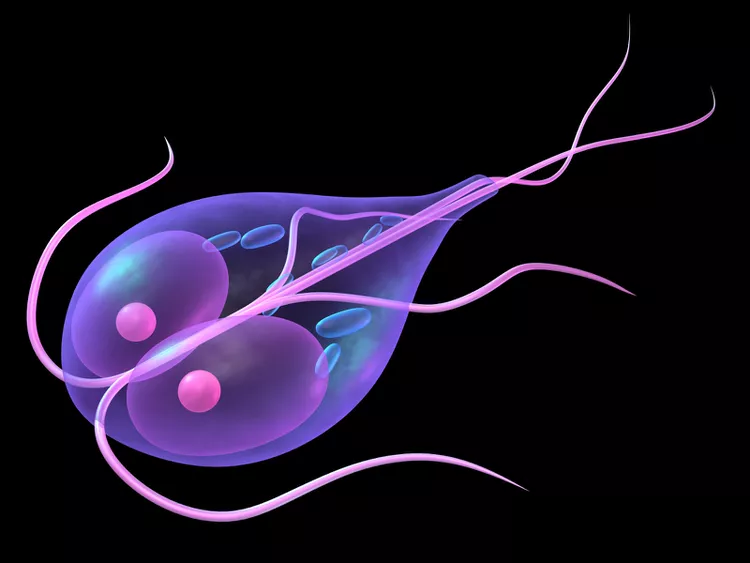
Giardia in Dogs
Giardia is a parasite that can affect dogs, humans, and other animals. Learn about Giardia in dogs, including causes, diagnosis, and treatment.
Can Cats Have Raw Eggs?
Eggs are known to be a protein-packed breakfast staple in American homes. Can your cat eat raw eggs? Here's your answer.
What to Know Before You Buy Food and Water Bowls For Your Cat
Get some important information you need to know before buying food and water bowls for your cat or kitten.
Can Cats Eat Salami?
The inspiration for a popular series of memes, the answer to "can cats have salami?" is yes--but only in small amounts.
What Fruits Can Cats Eat?
Can cats eat fruit? Learn which fruits are safe for cats and which should be avoided. Here's how to safely offer fruit to your cat as a treat.
Can Dogs Eat Raw Chicken Feet?
What are the potential health benefits of chicken feet for dogs? What are the risks?
What to Know About Byproducts in Cat Food
Byproducts in cat food are safe and can provide excellent nutrition.
Do Cats Cry When They Are Sad or in Pain?
Cats don't cry the way people do. Your cat can produce tears, but not ones of sadness. Explore the truth behind a cat's emotions and what those tears mean.
Cat Bunting Behavior: What Does It Mean?
Cats rub their heads against prominent objects to leave scent markings as a part of scent communication.
Why Do Cats Wag Their Tails?
Understanding cat tail language can reveal the many reasons cats wag their tails, and there are many.
Can Cats See in the Dark?
Cats can see well in the dark but, like humans, they don't have complete night vision. They can see better than humans in low-light situations.
Cat Humping: Why a Neutered Cat Still Mounts
Even if your male cat is neutered, he may continue to mount and hump cats or other objects because of health problems or behavioral issues.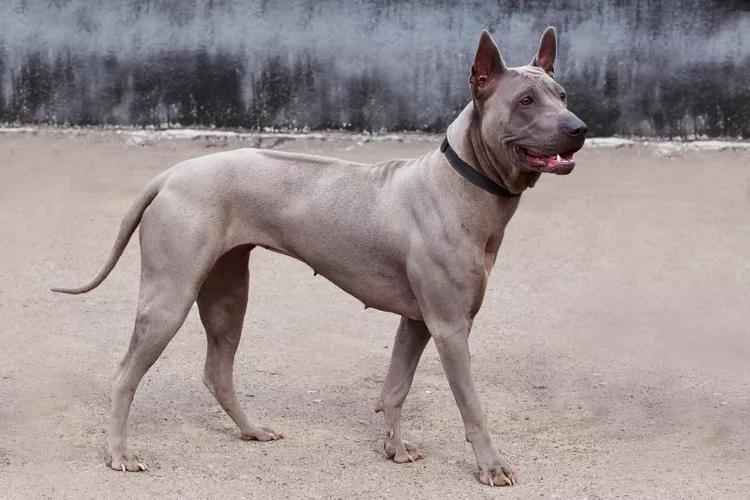
Thai Ridgeback: Dog Breed Characteristics & Care
Learn all about the Thai Ridgeback, a rare breed from Thailand. Find out how to care for the loyal dog and where to buy or adopt one.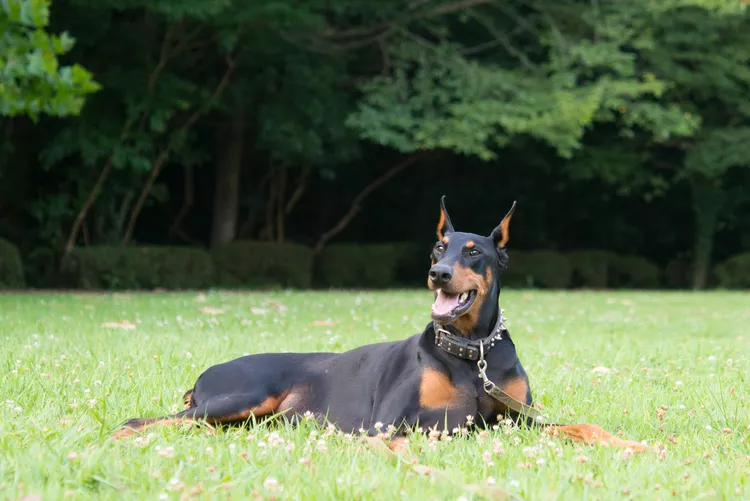
Doberman Pinscher (Dobie): Dog Breed Characteristics & Care
Doberman pinschers are intelligent, loyal, and athletic dogs. Find out more about them, including their history, fearless nature, care, and needs.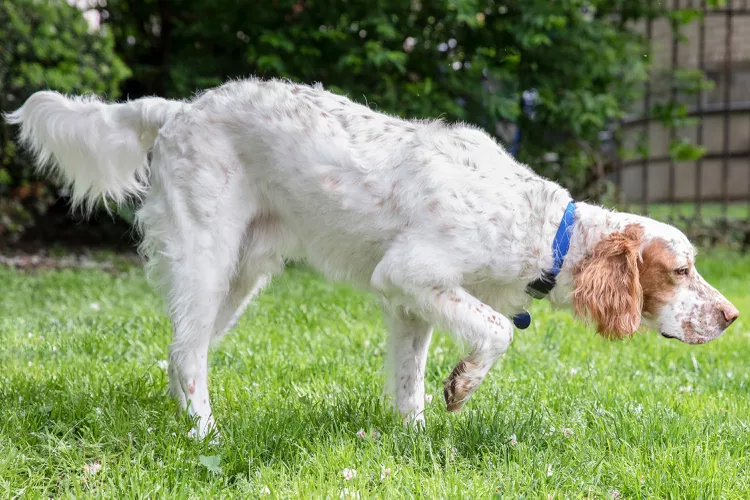
14 Pointer Dog Breeds
Pointers extend past the English or German shorthaired pointer. Learn more about the history and temperament of 14 popular pointing breeds.
Bernedoodle: Dog Breed Characteristics & Care
The Bernedoodle is a hybrid dog breed created by crossing Bernese mountain dogs with poodles. Learn about their fun-loving personality and common health issues.