
Some cats are a lot like puppies and enjoy chewing on objects. Plastic items are some of those objects that many cats take a liking to, but why? And is it dangerous if a cat chews on or eats plastic?
Cats that are teething are more likely to chew on items than adult cats and this is completely normal. Kittens lose their baby teeth and grow a full set of adult teeth between 3.5 and 7 months of age. Different teeth will fall out at different times, but the drive to chew may be stronger during these 4 months while your kitten attempts to get relief from the 30 new teeth that are coming in.
Kittens love to play with small objects and sometimes they grab these objects, such as bottle caps, bottle nipples, or rubber bands, and put them in their mouths. Once they feel the texture of the items, they often continue the behavior and seek out items with a similar texture.
Adult cats may take a liking to chewing on certain textures. The attraction to a specific item may have started after it was covered or filled with catnip, treats, or another tasty edible, or it may have blossomed out of pure curiosity. Some cats are more adventurous than others and may lick or bite items to see what happens and when the item makes a fun noise or has an interesting taste, they continue.
Adult cats may also start chewing on plastic if they experience dental pain in an attempt to soothe their hurting mouth. If you suspect your cat has dental disease or discomfort, be sure to get it examined by your veterinarian.
Pica is a term used to describe an eating disorder where items of no nutritional value are consumed like litter or dirt. Since plastic has no nutritional value, you could argue that a cat that chews and then consumes plastic has pica. Most cats that lick or chew plastic, though, start doing so because the object tasted good or they enjoyed playing with it, not because they have an eating disorder. But stress may cause a cat to do irrational things and therefore develop pica as a response to being stressed. Cats may also turn to this behavior out of boredom.
Cats that have aggression issues may begin chewing on plastic cords and other items around the house in an attempt to express their emotions. These aggressive behaviors can be a sign of pain, poor socialization, and stress, among other things.
Your cat may chew on some plastic items without an issue, but many items pose a potential danger to your feline friend. Plastic items that are small enough for your cat to fit completely in its mouth pose a swallowing or choking hazard. They could also cause injury to the teeth and gums.
Plastic items can cause gastrointestinal obstructions and prevent food and water from passing through the body or puncture or tear the stomach or intestines if the item has sharp edges or corners. If your cat consumes plastic, it will need to be removed. Sometimes your veterinarian will recommend making your cat vomit the item up, but this is not the case for all plastic items, and inducing vomiting is not always successful in cats. If there is concern for gastrointestinal obstruction or damage, surgery or endoscopy to remove the item from your cat should be performed by your veterinarian. These procedures require general anesthesia and are not without their risks, so it is always best to prevent your cat from eating plastic in the first place.
Stress and anxiety can be lessened and sometimes prevented in cats. Pheromones and supplements can help reduce the stress of environmental changes. Medications can ease serious cases of anxiety. By helping to decrease the amount of stress your cat experiences, you will hopefully lessen the likelihood of them picking up the bad habit of inappropriate chewing. Allowing your indoor cat to slowly adjust to new things, providing safe spaces, avoiding the line of sight with outdoor cats by closing the blinds, and other techniques can also help avoid stressing out your cat.
It may be obvious, keeping plastic items out of your cat's reach is key to prevention. Pick up and dispose of plastic items such as rubber bands, plastic lids, milk jug rings, and plastic bags that are within a cat's reach to eliminate the opportunity for your cat to get its paws on it. If you don't want your cat to chew on an item, then hide it or get rid of it.
Finally, a great way to relieve boredom and keep a cat disinterested in plastic items is to attract them to items that are not plastic. Provide your cat with fun and safe toys of different textures and fabrics, use feather wands and laser pointers to entertain it, and use catnip or treats to attract it to other items you want them to play with or chew on.

Ear Mites in Puppies and Dogs
Ear mites can be a big discomfort for puppies and dogs. Learn about the causes, treatment, and prevention to keep mites away from your pets.
5 Common Foods In Your Pantry That Are Not Safe For Your Pets
One potato chip is not going to hurt your pet, but there are other foods that can. Learn which to avoid and some safe foods that can be used as treats.
Metronidazole for Dogs
Metronidazole is a medication that is frequently given to dogs for bacterial infections and protozoan infestations of the colon. Here's what to expect if your dog is on this antibiotic.
Pulled Muscles in Dogs
A pulled muscle is one of the most common injuries seen in dogs. What can you do if your dog pulls a muscle and how can you prevent it?
Giardia in Dogs
Giardia is a parasite that can affect dogs, humans, and other animals. Learn about Giardia in dogs, including causes, diagnosis, and treatment.
Can Cats Have Raw Eggs?
Eggs are known to be a protein-packed breakfast staple in American homes. Can your cat eat raw eggs? Here's your answer.
What to Know Before You Buy Food and Water Bowls For Your Cat
Get some important information you need to know before buying food and water bowls for your cat or kitten.
Can Cats Eat Salami?
The inspiration for a popular series of memes, the answer to "can cats have salami?" is yes--but only in small amounts.
What Fruits Can Cats Eat?
Can cats eat fruit? Learn which fruits are safe for cats and which should be avoided. Here's how to safely offer fruit to your cat as a treat.
Can Dogs Eat Raw Chicken Feet?
What are the potential health benefits of chicken feet for dogs? What are the risks?
What to Know About Byproducts in Cat Food
Byproducts in cat food are safe and can provide excellent nutrition.
Do Cats Cry When They Are Sad or in Pain?
Cats don't cry the way people do. Your cat can produce tears, but not ones of sadness. Explore the truth behind a cat's emotions and what those tears mean.
Cat Bunting Behavior: What Does It Mean?
Cats rub their heads against prominent objects to leave scent markings as a part of scent communication.
Why Do Cats Wag Their Tails?
Understanding cat tail language can reveal the many reasons cats wag their tails, and there are many.
Can Cats See in the Dark?
Cats can see well in the dark but, like humans, they don't have complete night vision. They can see better than humans in low-light situations.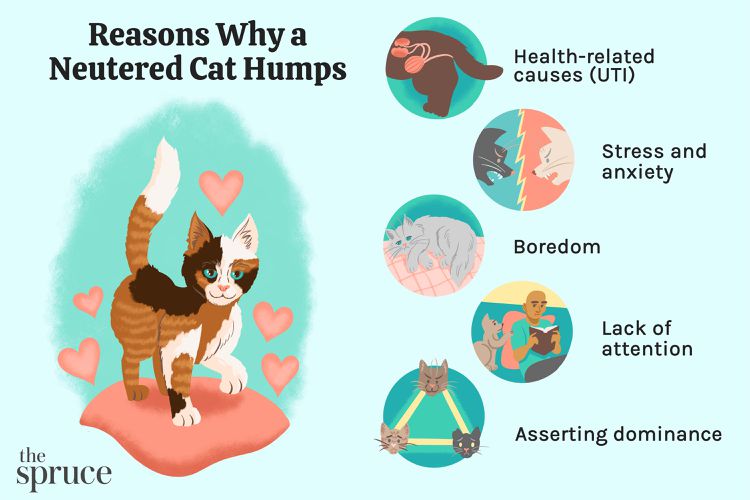
Cat Humping: Why a Neutered Cat Still Mounts
Even if your male cat is neutered, he may continue to mount and hump cats or other objects because of health problems or behavioral issues.
Thai Ridgeback: Dog Breed Characteristics & Care
Learn all about the Thai Ridgeback, a rare breed from Thailand. Find out how to care for the loyal dog and where to buy or adopt one.
Doberman Pinscher (Dobie): Dog Breed Characteristics & Care
Doberman pinschers are intelligent, loyal, and athletic dogs. Find out more about them, including their history, fearless nature, care, and needs.
14 Pointer Dog Breeds
Pointers extend past the English or German shorthaired pointer. Learn more about the history and temperament of 14 popular pointing breeds.
Bernedoodle: Dog Breed Characteristics & Care
The Bernedoodle is a hybrid dog breed created by crossing Bernese mountain dogs with poodles. Learn about their fun-loving personality and common health issues.