
If you see your pup limping or hear them yelp in pain while climbing the stairs, you may wonder, can dogs pull a muscle?
Dogs can have pulled muscles just like humans, and it can be heartbreaking to watch your dog walk around with a limp. The muscles most often injured are those in a dog's front or hind legs and the most common symptom is a limp. How can you soothe your dog's pain? Can you prevent them from pulling a muscle in the future? Here's what you need to know.
Pulled muscles are traumatic injuries that cause damage to soft tissues, including the muscles and tendons. They are one of the more common injuries seen in dogs. They can either be the direct consequence of something or can be secondary to another illness or injury.
The symptoms of a pulled muscle are fairly classic of a soft tissue injury.
A pulled muscle can be quite painful. A dog suffering from one may be more standoffish. They may seem grumpy or upset at home, especially with other pets in the home. A dog with a pulled muscle may also have a decreased activity simply because it's painful to get around. It may also avoid specific activities like jumping on and off or furniture or using stairs.
Most pulled muscles derive from exuberant activity, but that isn't always the case. Some of the most common ways a dog can pull a muscle are as follows:
There can be different forms of myositis that can cause a pulled muscle or muscle injury. Myositis ossificans is a type of inflammatory condition where noncancerous bony deposits are found in the muscles and connective tissues. While the cause of this is unknown, some think it may be related to a clotting condition common to Doberman Pinschers called von Willebrand's disease.
Polymyositis is an inflammatory condition that can effect all muscles in the body. It can also be associated with autoimmune disorders, such as lupus or myasthenia gravis.
There are also different myopathies that can lead to pulled muscles. Labrador Retriever Myopathy occurs in both yellow and black labs. While the cause of this disease process is still unknown, it appears to be an inheritable ailment.
Great Dane Myopathy is another muscle disorder that appears to be inheritable. While no cases have been reported yet in the United States, they've been noted in England, Australia, and Canada.
External Myopathy (Rhabdomyolysis) is a myopathy that affects primarily racing greyhounds and other working dogs. It occurs after extensive exercise and is thought to be triggered by a lack of oxygenated blood in the muscles.
Dogs can tear their cranial cruciate ligament (analogous to an ACL tear in people). While this is, by definition, a ligament injury and not a muscle injury, the inflammation it causes can lead to pain and injury in the surrounding muscle tissues.
If you think your dog pulled a muscle, your veterinarian will most often diagnose it based on physical exam and the recent history of your dog. A physical exam will help your veterinarian determine where exactly the injury is. Obviously, if your dog is limping on their front right leg then they have an injury to that limb. However, the effected muscle can be anywhere from the
shoulder to the carpus (the wrist joint).
Knowing where the injury is specifically can help your vet determine if it's likely just a pulled muscle or if it might be something more. During the physical exam, your veterinarian may also do something called a gait assessment. This is exactly what it sounds like. Your dog is allowed to walk up and down a hallway where the veterinarian can easily watch how your dog moves his body and carries his weight. Some limps can be quite obvious but others may only cause a very subtle change in how a dog
walks.
Your veterinarian may also want to take radiographs, or X-rays. Although muscles cannot be easily assessed on an X-ray, your veterinarian may want to rule out any potential fractures. A torn cruciate ligament won't show up on an X-ray, but inflammatory changes to the surrounding tissues may show up as radiographic changes. Also, some breeds of dog are more predisposed to bone cancer, which can also present as a painful limp. Bone cancer is especially malignant, so taking an X-ray to rule it out may be warranted if your dog is one susceptible to it.
There are also more specialized pieces of equipment that can look for changes in how a dog carries their weight and any inflammation that they may be masking. Some facilities that do rehabilitation and sports medicine may have force plates they can use to see if a dog is bearing their weight evenly on all four paws or if they are compensating on one paw versus another. Thermal imaging can look to see if there's a muscle body significantly warmer than the surrounding tissues. Because inflammation causes heat, any warmed areas may have inflammatory changes.
There's no one single treatment for a pulled muscle; treatment involves a combination of therapies. If your veterinarian suspects that your dog has pulled a muscle, they will want to prescribe medication to help with the pain and inflammation. Usually, this includes a non-steroidal anti-inflammatory drug, such as carprofen (Rimadyl) or meloxicam (Metacam), and may include a muscle relaxer, such as methocarbamol.
A cold therapy laser can also help heal a pulled muscle This is a device that uses light to increase healing time, decrease pain, and decrease inflammation. It can be especially useful in helping a dog with a muscle injury.
Your veterinarian will also suggest exercise restriction to help with your dog's pulled muscle. This allows your dog's muscle to heal and will prevent re-injury. This can be the trickiest part for some. Most dogs that pull a muscle pull it because they are very active, and they may not be big fans of strict crate rest. Puzzle feeders and interactive toys can provide mental stimulation for a dog that can't run around like they may want to. Medications, such as trazodone, can also help keep your dog calm and quiet without the use of sedating opioid medications.
If a cranial cruciate ligament is the cause of your dog's muscle pain, your veterinarian may recommend surgery to repair the torn ligament. This can be costly, though, and requires general anesthesia, which not all dogs may be candidates for.
Generally, most dogs will readily heal from a pulled muscle with treatment and exercise restriction. Dogs with a torn cranial cruciate ligament that have it repaired surgically often fare better than those that don't have the surgery. Sometimes, though, smaller breed dogs with torn ligaments do just fine after scar tissue forms that then helps to strengthen the joint without the need for surgery. Your veterinarian can help you determine if you should pursue surgery or not.
It can be difficult to prevent a torn muscle in your dog. Obviously, we can't teach our dogs the importance of stretching, warming up, and cooling down after exercise. However, a dog that is at a healthy weight will be far less likely to injure themselves than one that is overweight. The extra weight on an overweight or obese dog can put added stress on a dog's muscles.
With rest and pain medication, your dog should start to feel better in no time.
Ear Mites in Puppies and Dogs
Ear mites can be a big discomfort for puppies and dogs. Learn about the causes, treatment, and prevention to keep mites away from your pets.
5 Common Foods In Your Pantry That Are Not Safe For Your Pets
One potato chip is not going to hurt your pet, but there are other foods that can. Learn which to avoid and some safe foods that can be used as treats.
Metronidazole for Dogs
Metronidazole is a medication that is frequently given to dogs for bacterial infections and protozoan infestations of the colon. Here's what to expect if your dog is on this antibiotic.
Pulled Muscles in Dogs
A pulled muscle is one of the most common injuries seen in dogs. What can you do if your dog pulls a muscle and how can you prevent it?
Giardia in Dogs
Giardia is a parasite that can affect dogs, humans, and other animals. Learn about Giardia in dogs, including causes, diagnosis, and treatment.
Can Cats Have Raw Eggs?
Eggs are known to be a protein-packed breakfast staple in American homes. Can your cat eat raw eggs? Here's your answer.
What to Know Before You Buy Food and Water Bowls For Your Cat
Get some important information you need to know before buying food and water bowls for your cat or kitten.
Can Cats Eat Salami?
The inspiration for a popular series of memes, the answer to "can cats have salami?" is yes--but only in small amounts.
What Fruits Can Cats Eat?
Can cats eat fruit? Learn which fruits are safe for cats and which should be avoided. Here's how to safely offer fruit to your cat as a treat.
Can Dogs Eat Raw Chicken Feet?
What are the potential health benefits of chicken feet for dogs? What are the risks?
What to Know About Byproducts in Cat Food
Byproducts in cat food are safe and can provide excellent nutrition.
Do Cats Cry When They Are Sad or in Pain?
Cats don't cry the way people do. Your cat can produce tears, but not ones of sadness. Explore the truth behind a cat's emotions and what those tears mean.
Cat Bunting Behavior: What Does It Mean?
Cats rub their heads against prominent objects to leave scent markings as a part of scent communication.
Why Do Cats Wag Their Tails?
Understanding cat tail language can reveal the many reasons cats wag their tails, and there are many.
Can Cats See in the Dark?
Cats can see well in the dark but, like humans, they don't have complete night vision. They can see better than humans in low-light situations.
Cat Humping: Why a Neutered Cat Still Mounts
Even if your male cat is neutered, he may continue to mount and hump cats or other objects because of health problems or behavioral issues.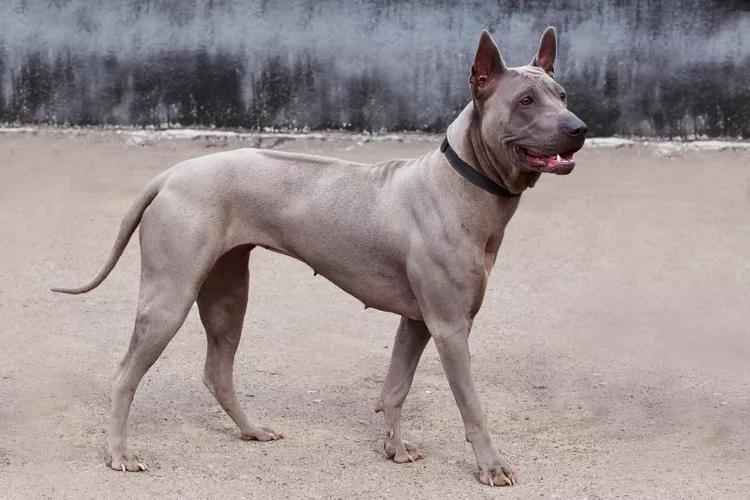
Thai Ridgeback: Dog Breed Characteristics & Care
Learn all about the Thai Ridgeback, a rare breed from Thailand. Find out how to care for the loyal dog and where to buy or adopt one.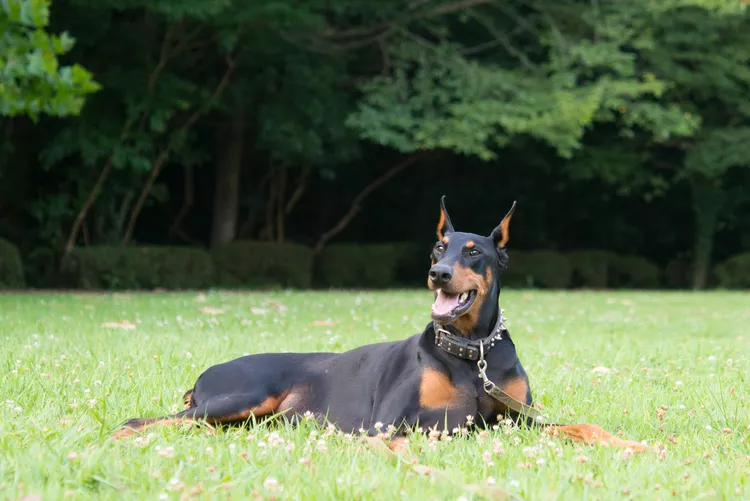
Doberman Pinscher (Dobie): Dog Breed Characteristics & Care
Doberman pinschers are intelligent, loyal, and athletic dogs. Find out more about them, including their history, fearless nature, care, and needs.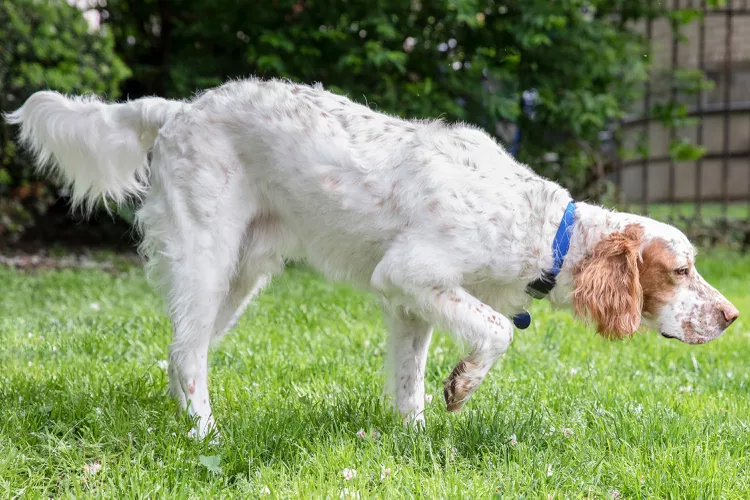
14 Pointer Dog Breeds
Pointers extend past the English or German shorthaired pointer. Learn more about the history and temperament of 14 popular pointing breeds.
Bernedoodle: Dog Breed Characteristics & Care
The Bernedoodle is a hybrid dog breed created by crossing Bernese mountain dogs with poodles. Learn about their fun-loving personality and common health issues.