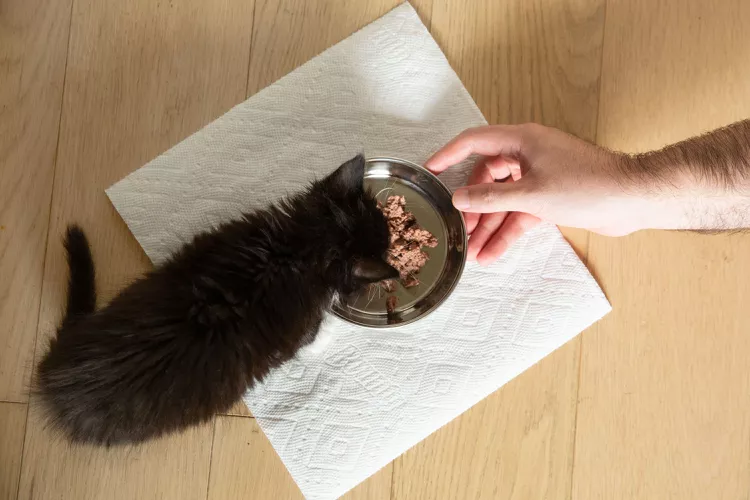
You may have noticed that before and/or after your kitten or cat eats or drinks, it will paw, scratch, or knead the floor as if digging or burying something. This is not unusual behavior, and rest assured there is nothing wrong with your cat. In fact, your pet is demonstrating an instinct shared even by big game cats, and it is a very positive sign that it is feeling at home in your house.
However, if you find the behavior annoying or disruptive, you can take simple steps to change it.
Many cats will scratch, paw, or knead the ground around their food bowl before or after eating. The scratchingand digging is an example of instinctive behavior, meaning your cat probably didn't learn it from its mother. Some cats may take this behavior to an extreme, spending a good deal of time scratching at the floor or kneading the carpet around their food bowl. In some cases, cats will also drag objects such as towels on top of their food bowls.
In the wild, feral cats often bury their food remains (as well as their feces) as a protective measure so their enemies can't track them: buried food has little smell and does not attract scavengers or predators. If they are females still nursing their kittens, they will do so to help prevent other cats from finding their litter. Similarly, unneutered male cats will also spray their territory with urine as a warning to other predators to stay away. (Be sure to have your cat neutered at an appropriate age so he doesn't follow through with urine marking.)
Cats all over the world demonstrate this behavior. It is similar to "food caching," which is practiced by big game cats. The leopard is best known for food caching, which involves storing food high up in trees to keep away from lions and hyenas. The North American bobcat also exhibits this protective measure, covering the remains of its kill with debris to hide from other animals.
If you put newspapers under the food plates, you may notice your cat scratching under the plate, shredding the newspapers, and even piling them over the food bowl to hide it completely. This is another type of "food caching."
In some cases, cats will scratch at or bury food or other items they dislike. This behavior is similar to burying feces in a litter box or on the ground. Like caching, burying allows the cat to "disappear" by getting rid of its waste. In addition, as cats often sleep where they eat, burying waste can be a way of "tidying" a cat's personal space.
It may not seem to make sense that a house cat without any threat of their food being taken would exhibit this kind of behavior. And, it doesn't make sense, really, except for the fact that the behavior is instinctual and cats do it naturally.
Kneading is a sign of contentment; when your cat kneads its paws, it may be anticipating a pleasant experience (such as eating a meal). Cats and kittens will knead one another by gently alternating their paws, much as a person might give another person a back rub. Kneading is more likely if the area surrounding the food bowl is soft (like carpet, for example).
Neither scratching nor kneading is, in itself, a harmful behavior. It can't hurt your cat, and it's unlikely to cause you any harm. In fact, some cat owners simply find it cute.
On the other hand, it can be annoying and can lead to a mess if your pet rips up papers or damages your carpet. If you feel the behavior is a problem, you can take a few steps to manage it.
Ear Mites in Puppies and Dogs
Ear mites can be a big discomfort for puppies and dogs. Learn about the causes, treatment, and prevention to keep mites away from your pets.
5 Common Foods In Your Pantry That Are Not Safe For Your Pets
One potato chip is not going to hurt your pet, but there are other foods that can. Learn which to avoid and some safe foods that can be used as treats.
Metronidazole for Dogs
Metronidazole is a medication that is frequently given to dogs for bacterial infections and protozoan infestations of the colon. Here's what to expect if your dog is on this antibiotic.
Pulled Muscles in Dogs
A pulled muscle is one of the most common injuries seen in dogs. What can you do if your dog pulls a muscle and how can you prevent it?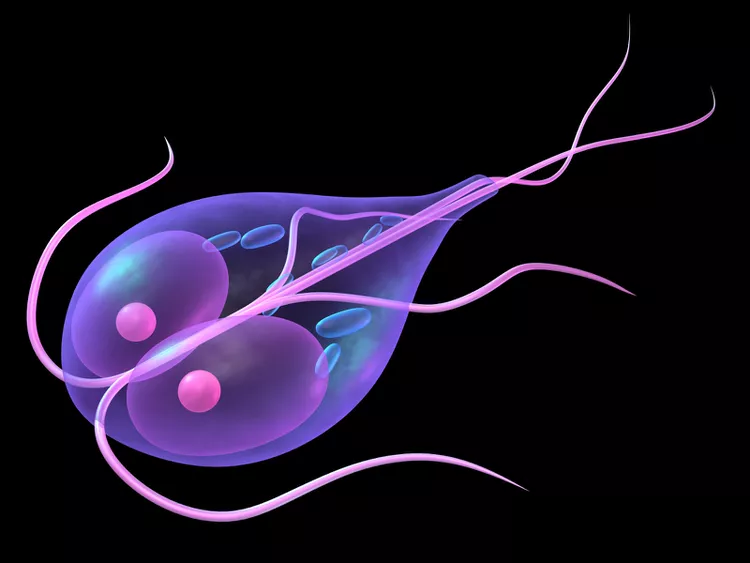
Giardia in Dogs
Giardia is a parasite that can affect dogs, humans, and other animals. Learn about Giardia in dogs, including causes, diagnosis, and treatment.
Can Cats Have Raw Eggs?
Eggs are known to be a protein-packed breakfast staple in American homes. Can your cat eat raw eggs? Here's your answer.
What to Know Before You Buy Food and Water Bowls For Your Cat
Get some important information you need to know before buying food and water bowls for your cat or kitten.
Can Cats Eat Salami?
The inspiration for a popular series of memes, the answer to "can cats have salami?" is yes--but only in small amounts.
What Fruits Can Cats Eat?
Can cats eat fruit? Learn which fruits are safe for cats and which should be avoided. Here's how to safely offer fruit to your cat as a treat.
Can Dogs Eat Raw Chicken Feet?
What are the potential health benefits of chicken feet for dogs? What are the risks?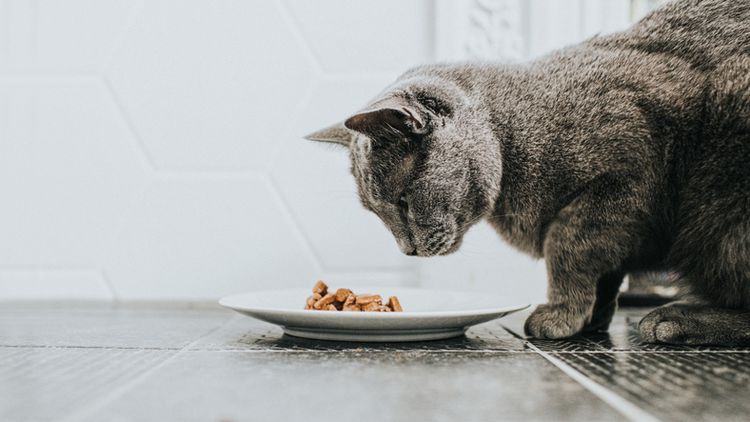
What to Know About Byproducts in Cat Food
Byproducts in cat food are safe and can provide excellent nutrition.
Do Cats Cry When They Are Sad or in Pain?
Cats don't cry the way people do. Your cat can produce tears, but not ones of sadness. Explore the truth behind a cat's emotions and what those tears mean.
Cat Bunting Behavior: What Does It Mean?
Cats rub their heads against prominent objects to leave scent markings as a part of scent communication.
Why Do Cats Wag Their Tails?
Understanding cat tail language can reveal the many reasons cats wag their tails, and there are many.
Can Cats See in the Dark?
Cats can see well in the dark but, like humans, they don't have complete night vision. They can see better than humans in low-light situations.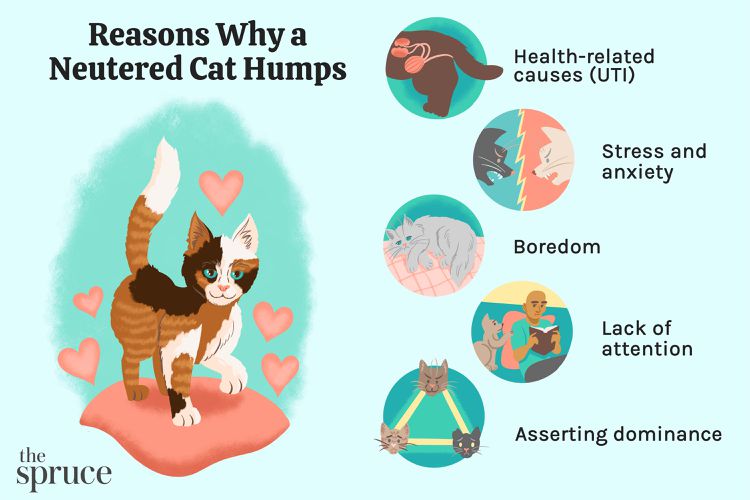
Cat Humping: Why a Neutered Cat Still Mounts
Even if your male cat is neutered, he may continue to mount and hump cats or other objects because of health problems or behavioral issues.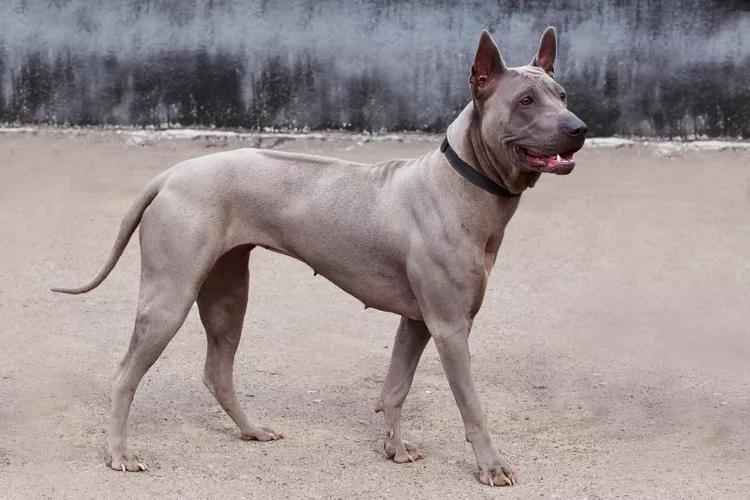
Thai Ridgeback: Dog Breed Characteristics & Care
Learn all about the Thai Ridgeback, a rare breed from Thailand. Find out how to care for the loyal dog and where to buy or adopt one.
Doberman Pinscher (Dobie): Dog Breed Characteristics & Care
Doberman pinschers are intelligent, loyal, and athletic dogs. Find out more about them, including their history, fearless nature, care, and needs.
14 Pointer Dog Breeds
Pointers extend past the English or German shorthaired pointer. Learn more about the history and temperament of 14 popular pointing breeds.
Bernedoodle: Dog Breed Characteristics & Care
The Bernedoodle is a hybrid dog breed created by crossing Bernese mountain dogs with poodles. Learn about their fun-loving personality and common health issues.