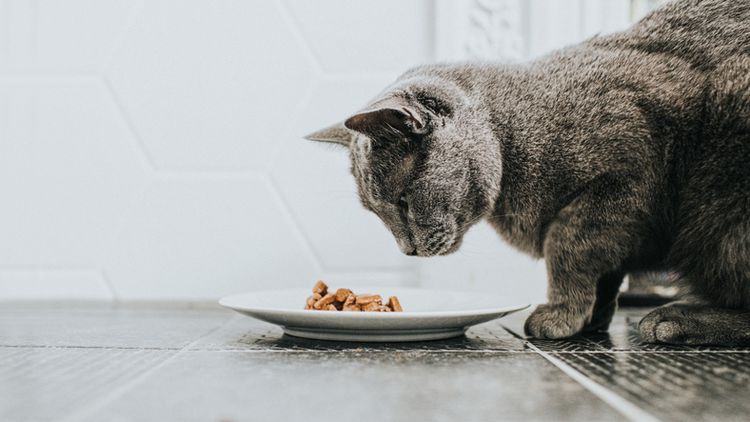
Unfortunately, interpreting pet food labels has become more and more difficult in recent years. There is also a huge amount of misinformation about pet food, both online and in public opinion. One topic that is often discussed is that of “byproducts” in pet food.
There is a persistent myth amongst cat owners that animal byproducts are unhealthy ingredients in cat food. Many have been told that they are of low nutritional value or are fillers.
However, animal byproducts are not fillers and can provide high quality nutrition for cats. It is also untrue that inedible parts of the animal, such as hooves, hair, horns, or feathers, are used in cat food as byproducts.
Animal byproducts are simply the parts of food animals, such as cattle or pigs, not typically used in the human food chain. The American Association of Feed Control Officials (AAFCO) defines byproducts as “secondary products produced in addition to the principal product.” This doesn’t imply that byproducts are unsafe or lack nutrition, simply that they aren’t part of the original primary products from that animal.
AAFCO goes on to say that “Many raw commodities, when processed, result in a primary product for human consumption and secondary products mostly (but not exclusively) for animal consumption. Using primary animal and plant products for humans and their related byproduct materials for animals is a common practice.”
In canned cat food, byproducts are typically organ meat from the liver, kidneys, lungs, and spleen. When a cat kills prey in the wild, these organs are the first thing the cat consumes and are highly nutritious.
In kibble, the most common byproduct is a meal. Meals are made from muscles, organs, and bone and are cooked to eliminate the possibility of bacterial contamination. The product has the water removed and is separated into protein and fat. The meals are then added to pet food appropriately to provide precisely balanced nutritional profiles.
Are byproducts safe for my cat to eat?
Yes, animal byproducts used in cat food are safe. All byproducts used in pet food are inspected by the United States Department of Agriculture (USDA) and must meet the standards set by the agency. These standards ensure that no diseased or disabled animals are used in pet food and that there is no dangerous bacterial contamination.
The byproducts as fillers myth
In reality, there is no exact definition, according to AAFCO, for the term “filler”. However, it most typically refers to products used in pet food to add fiber or bulk to the food. Animal byproducts are actually very nutritious and provide protein, fat, vitamins, and minerals. Feeding a human
grade meat product is not nutritionally superior to a byproduct.
The thing to remember is that cats, when hunting, choose to eat the prey’s organs first, both for the taste and the nutritional value. It is natural and healthy for them, even if it seems distasteful to us.
Why do food manufacturers use byproducts instead of
muscle meat?
Though not as appealing to humans for their dinner, byproducts such as liver, spleen, and heart are nutritionally superior to muscle meat. Organ meats provide much higher levels of nutrients like vitamins, minerals, and protein.
Cats require a balanced diet with a correct calcium to phosphorus ratio and essential amino acids such as taurine. Muscle meat alone lacks many essential nutrients, but they can be provided by the use of byproducts. Muscle meat on its own often lacks appropriate levels of fats, protein, vitamin A, and calcium.
Discussing cat food with your veterinarian
Sadly, there are many cat foods on the market that use misleading label claims and marketing to appeal to pet parents. Some high-priced foods with amazing marketing departments easily convince consumers to feed their diet when in reality it may be a substandard food. Looking at the ingredient list and making sure the food was formulated by a board-certified veterinary nutritionist and has been feed trial tested are the first steps.
There are many other things to consider when choosing the right diet for your personal cat, including age, lifestyle, health issues, and allergies. The best resource for pet parents when choosing a food for their cat is their veterinarian. Your cat’s doctor has years of formal education, as well as real-world experience with cats and nutrition. They also know your specific cat and its health needs.

Ear Mites in Puppies and Dogs
Ear mites can be a big discomfort for puppies and dogs. Learn about the causes, treatment, and prevention to keep mites away from your pets.
5 Common Foods In Your Pantry That Are Not Safe For Your Pets
One potato chip is not going to hurt your pet, but there are other foods that can. Learn which to avoid and some safe foods that can be used as treats.
Metronidazole for Dogs
Metronidazole is a medication that is frequently given to dogs for bacterial infections and protozoan infestations of the colon. Here's what to expect if your dog is on this antibiotic.
Pulled Muscles in Dogs
A pulled muscle is one of the most common injuries seen in dogs. What can you do if your dog pulls a muscle and how can you prevent it?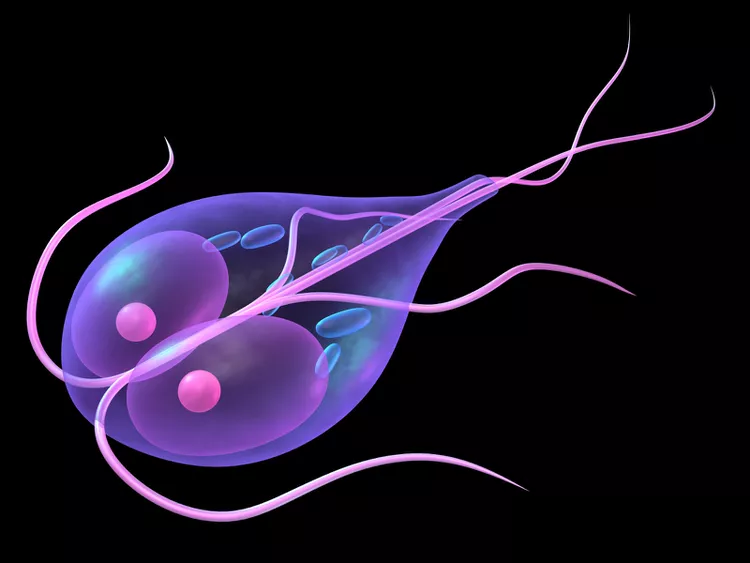
Giardia in Dogs
Giardia is a parasite that can affect dogs, humans, and other animals. Learn about Giardia in dogs, including causes, diagnosis, and treatment.
Can Cats Have Raw Eggs?
Eggs are known to be a protein-packed breakfast staple in American homes. Can your cat eat raw eggs? Here's your answer.
What to Know Before You Buy Food and Water Bowls For Your Cat
Get some important information you need to know before buying food and water bowls for your cat or kitten.
Can Cats Eat Salami?
The inspiration for a popular series of memes, the answer to "can cats have salami?" is yes--but only in small amounts.
What Fruits Can Cats Eat?
Can cats eat fruit? Learn which fruits are safe for cats and which should be avoided. Here's how to safely offer fruit to your cat as a treat.
Can Dogs Eat Raw Chicken Feet?
What are the potential health benefits of chicken feet for dogs? What are the risks?
What to Know About Byproducts in Cat Food
Byproducts in cat food are safe and can provide excellent nutrition.
Do Cats Cry When They Are Sad or in Pain?
Cats don't cry the way people do. Your cat can produce tears, but not ones of sadness. Explore the truth behind a cat's emotions and what those tears mean.
Cat Bunting Behavior: What Does It Mean?
Cats rub their heads against prominent objects to leave scent markings as a part of scent communication.
Why Do Cats Wag Their Tails?
Understanding cat tail language can reveal the many reasons cats wag their tails, and there are many.
Can Cats See in the Dark?
Cats can see well in the dark but, like humans, they don't have complete night vision. They can see better than humans in low-light situations.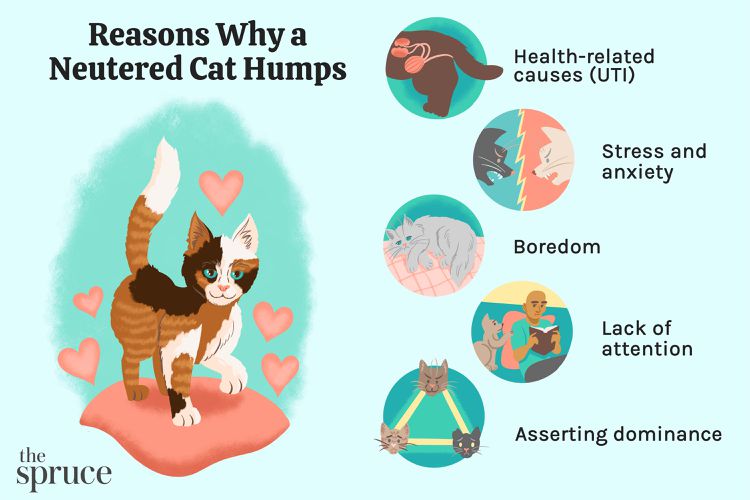
Cat Humping: Why a Neutered Cat Still Mounts
Even if your male cat is neutered, he may continue to mount and hump cats or other objects because of health problems or behavioral issues.
Thai Ridgeback: Dog Breed Characteristics & Care
Learn all about the Thai Ridgeback, a rare breed from Thailand. Find out how to care for the loyal dog and where to buy or adopt one.
Doberman Pinscher (Dobie): Dog Breed Characteristics & Care
Doberman pinschers are intelligent, loyal, and athletic dogs. Find out more about them, including their history, fearless nature, care, and needs.
14 Pointer Dog Breeds
Pointers extend past the English or German shorthaired pointer. Learn more about the history and temperament of 14 popular pointing breeds.
Bernedoodle: Dog Breed Characteristics & Care
The Bernedoodle is a hybrid dog breed created by crossing Bernese mountain dogs with poodles. Learn about their fun-loving personality and common health issues.