
The Doberman pinscher is a medium-large, deep-chested dog breed with a sleek and sturdy appearance. Dobermans (also called "Dobes" or "Dobies") are fearless, loyal, and highly intelligent. These traits make them ideal police, war, and guard dogs, but they are also outstanding companions.
Well-trained Dobermans often do very great with children and in various social situations, and they can make great therapy dogs. The breed's temperament is generally known to be docile yet protective. The Doberman, which was first bred in Germany, has earned a reputation as a fierce guard dog (which it can certainly be). However, the breed is usually quite gentle and not aggressive by nature.
GROUP: Working
HEIGHT: 24 to 28 inches
WEIGHT: 65 to 100 pounds
COAT: Short and smooth
COAT COLOR: Black, red, blue, or fawn with rust markings (sometimes small patches of white are seen)
LIFE SPAN: 10 to 12 years
TEMPERAMENT: Intelligent, loyal, alert, energetic, attentive
HYPOALLERGENIC: No
ORIGIN: Germany
While they may have an intimidating appearance, Doberman Pinschers are a loveable, intelligent breed that is well-suited to a variety of different living situations. Dobermans are active and hardworking, and their reputation as guard dogs make them a great choice for families or owners who reside on large plots of land.
The Doberman pinscher emerged as a breed in Germany around the turn of the 20th century. Karl Friedrich Louis Dobermann, for whom the breed was named, developed the breed out of the desire for a medium-sized companion and guard dog. In addition to being a tax collector, Dobermann operated the local dog pound and had access to a variety of dogs to use in his breeding program. It is believed that the Doberman originates from breeds such as the Rottweiler, black and tan terrier, German pinscher, and possibly the Greyhound.
The Doberman pinscher has been treasured for its great intelligence, loyalty, and athletic abilities. Over the years, the breed has diligently worked as a war dog and police dog but has also remained a faithful companion to many.
The breed is muscular and athletic, possessing great strength and endurance—so much so that it historically served as the Marine Corps' official dog during World War II. Twenty-five Dobermans who died fighting with troops on Guam are honored on the World War II War Dog Memorial at the National War Dog Cemetery at Naval Base Guam.
Dobermans have traditionally had their tails docked (removed) soon after birth and later, their ears cropped (trimmed surgically in order to make them stand erect). Much controversy has surrounded the practice of ear cropping and tail docking in dogs, including the Doberman. Some countries have actually outlawed these practices, but while they are still permitted in the U.S., many people elect to keep the ears natural on their Dobermans.
Though many people think of Dobermans as serious dogs, they can actually be a bit goofy and rambunctious at times, especially as puppies. They will do well with children and enjoy playing together as long as the child is old enough to treat the dog with consideration. Still, they are also easily trained and have the drive to learn alongside their owner.
Most Dobermans have a fairly high energy level and require plenty of exercise in order to stay healthy. Because of their natural athleticism, a few brisk walks or runs every day will help keep a Doberman in tip-top shape. Your yard should be securely fenced, so your Doberman has room to roam and play; however, this breed can get chilled in cold weather, so don't leave him outside all the time. Your dog will want to be part of your family life rather than alone outside.
The Doberman has a short, smooth hair coat that requires very little grooming. You can brush it once a week or give his coat a rub with a wet towel. You don't need to bathe the dog often, just when it gets dirty or develops an odor. If ears are kept natural (not cropped), then extra attention should be placed upon keeping the ears clean. Trim the dog's nails monthly to prevent them from splitting or tearing and brush the teeth at least a couple of times a week to help prevent gum disease and other dental problems.
The Doberman is very smart and learns quite easily. Proper training is absolutely essential for this breed to ensure good behavior. Socialization is equally important so the dog isn't overly fearful or aggressive. It is best to keep the dog on a leash when you go for a walk — Dobies can be aggressive towards other dogs that are not part of their family, and defensive if they think you are under threat. They may not be welcome at a dog park if they exhibit this behavior. As well, many people fear this breed and will be more comfortable around if the dog is on a leash.
Responsible breeders strive to maintain the highest breed standards as established by kennel clubs like the AKC. Dogs bred by these standards are less likely to inherit health conditions. However, some hereditary health problems can occur in Dobermans. The following are some conditions to be aware of:
Dobermans should be fed two meals each day, with as much as three and a half cups of dry dog food per day. The amount a dog needs will depend on size, activity level, age, and other factors. Having two smaller meals rather than one large meal can help prevent gas and bloating. This can become a medical emergency if the stomach twists to cut off the blood supply.
Be sure to monitor the dog's weight, as obesity can reduce your dog's lifespan and contribute to the risk of other health conditions. Discuss your dog's nutritional needs with your veterinarian to get recommendations specific for your pet.
Doberman Pinschers can be found through breeders or via adoption throughout the U.S. Any breeders you inquire with should be able to answer any questions you have regarding the pedigree, health, and history of the litter and its parents. Ideally, you should meet one or both parents to have a better idea of your future pet’s personality, size, and temperament. You can expect to pay between $1,000 and $2,500 to secure a Doberman Pinscher puppy from a breeder.
If you’re looking for a Doberman, consider checking with local or regional rescue groups. You can also inquire through the below organizations:
Fearless and athletic
Loyal
Highly intelligent
Can be aggressive towards other dogs
May seem intimidating (best kept on a leash in public)
Not ideal for a household with small children
If you think the Doberman Pinscher is the right dog breed for you, be sure to do plenty of research before adopting one. Talk to other Doberman owners, reputable breeders, and rescue groups to learn more.
If you are interested in similar dog breeds, look into these to compare the pros and cons:
There is a wide variety of dog breeds out there. With a little research, you can find the right one to bring home.
No—While Doberman Pinschers have a reputation for being guard dogs, they are not innately aggressive and are considered good family dogs.
Doberman Pinchers will thrive in a home where they can spend time outdoors and burn off energy. In most cases, this means an apartment will not be the best environment for them. Additionally, they are rather large dogs and will take up a lot of space in a small home.
While Doberman Pinschers aren't as ubiquitous as breeds like Golden Retrievers or Labs, they still ranked #18 on the AKC's Most Popular Dog Breeds list for 2020.
Ear Mites in Puppies and Dogs
Ear mites can be a big discomfort for puppies and dogs. Learn about the causes, treatment, and prevention to keep mites away from your pets.
5 Common Foods In Your Pantry That Are Not Safe For Your Pets
One potato chip is not going to hurt your pet, but there are other foods that can. Learn which to avoid and some safe foods that can be used as treats.
Metronidazole for Dogs
Metronidazole is a medication that is frequently given to dogs for bacterial infections and protozoan infestations of the colon. Here's what to expect if your dog is on this antibiotic.
Pulled Muscles in Dogs
A pulled muscle is one of the most common injuries seen in dogs. What can you do if your dog pulls a muscle and how can you prevent it?
Giardia in Dogs
Giardia is a parasite that can affect dogs, humans, and other animals. Learn about Giardia in dogs, including causes, diagnosis, and treatment.
Can Cats Have Raw Eggs?
Eggs are known to be a protein-packed breakfast staple in American homes. Can your cat eat raw eggs? Here's your answer.
What to Know Before You Buy Food and Water Bowls For Your Cat
Get some important information you need to know before buying food and water bowls for your cat or kitten.
Can Cats Eat Salami?
The inspiration for a popular series of memes, the answer to "can cats have salami?" is yes--but only in small amounts.
What Fruits Can Cats Eat?
Can cats eat fruit? Learn which fruits are safe for cats and which should be avoided. Here's how to safely offer fruit to your cat as a treat.
Can Dogs Eat Raw Chicken Feet?
What are the potential health benefits of chicken feet for dogs? What are the risks?
What to Know About Byproducts in Cat Food
Byproducts in cat food are safe and can provide excellent nutrition.
Do Cats Cry When They Are Sad or in Pain?
Cats don't cry the way people do. Your cat can produce tears, but not ones of sadness. Explore the truth behind a cat's emotions and what those tears mean.
Cat Bunting Behavior: What Does It Mean?
Cats rub their heads against prominent objects to leave scent markings as a part of scent communication.
Why Do Cats Wag Their Tails?
Understanding cat tail language can reveal the many reasons cats wag their tails, and there are many.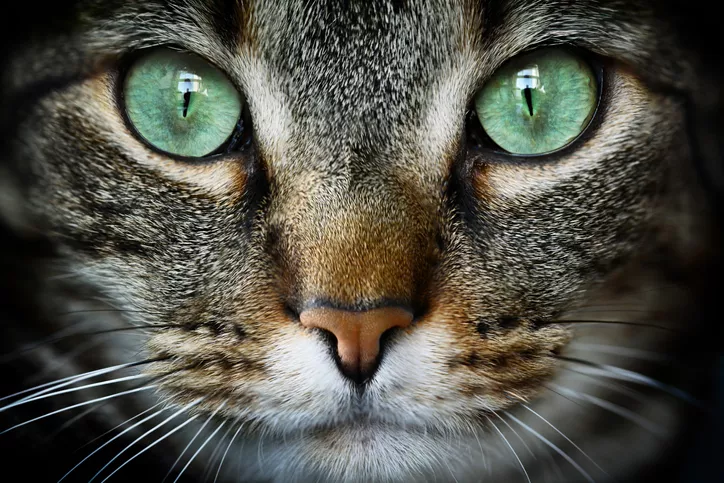
Can Cats See in the Dark?
Cats can see well in the dark but, like humans, they don't have complete night vision. They can see better than humans in low-light situations.
Cat Humping: Why a Neutered Cat Still Mounts
Even if your male cat is neutered, he may continue to mount and hump cats or other objects because of health problems or behavioral issues.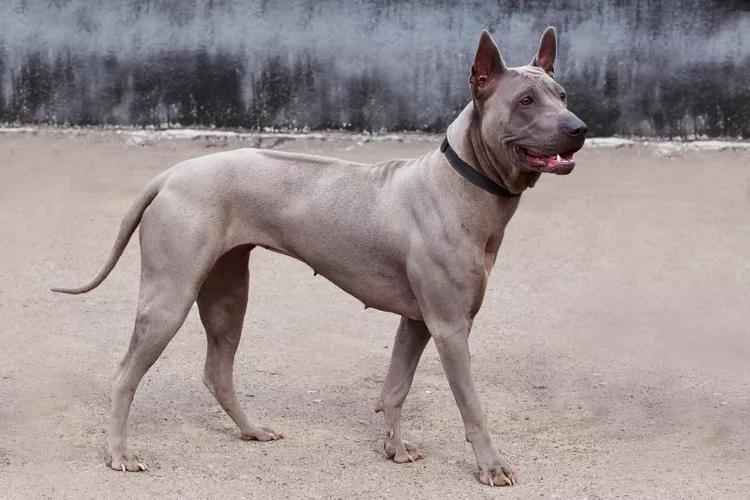
Thai Ridgeback: Dog Breed Characteristics & Care
Learn all about the Thai Ridgeback, a rare breed from Thailand. Find out how to care for the loyal dog and where to buy or adopt one.
Doberman Pinscher (Dobie): Dog Breed Characteristics & Care
Doberman pinschers are intelligent, loyal, and athletic dogs. Find out more about them, including their history, fearless nature, care, and needs.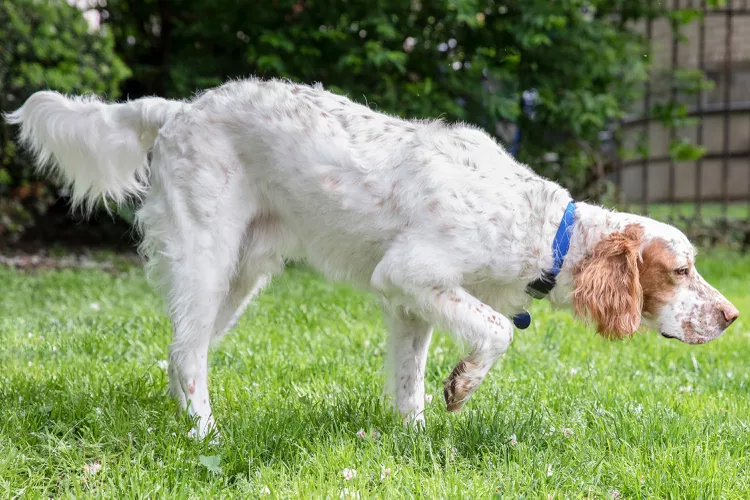
14 Pointer Dog Breeds
Pointers extend past the English or German shorthaired pointer. Learn more about the history and temperament of 14 popular pointing breeds.
Bernedoodle: Dog Breed Characteristics & Care
The Bernedoodle is a hybrid dog breed created by crossing Bernese mountain dogs with poodles. Learn about their fun-loving personality and common health issues.