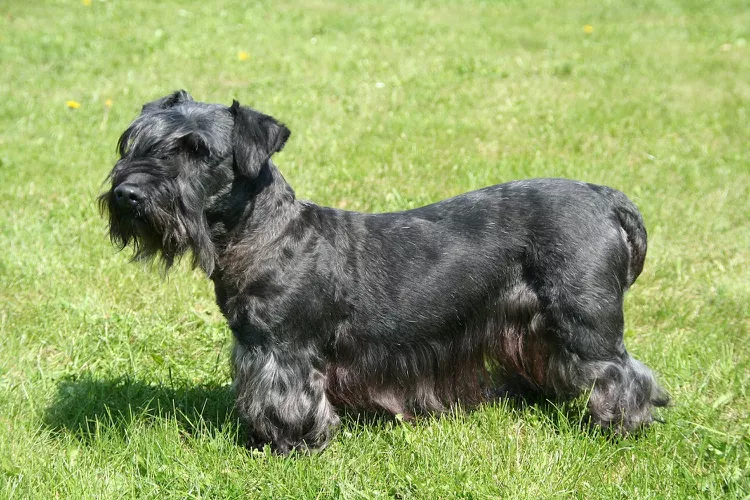
The Cesky terrier is a small dog from the Czech Republic with a long body, short legs, distinct facial hair, and silky fur that is typically trimmed along the back and sides. This breed is defined by contrasts: Small but sturdy, lively but laid-back, and driven but docile, Cesky terriers are well-rounded hunters that also make lovable family dogs. As you might expect, such a breed is hard to find, and the Cesky is one of the rarest dog breeds in the world.
Also known as the Bohemian terrier, the Cesky is the national dog of the Czech Republic. Cesky is pronounced like “chess-kee” (literally meaning Czech), which is fitting since the breed’s beginnings were a product of one Czech man’s vision and determination. Cesky terriers are longer than they are tall and sport a long, silky coat in varying shades of gray. A distinctive plume of fur cascades from the forehead and over the eyes.
Group: Terrier
Height: 10 to 13 inches
Weight: 14 to 24 pounds
Coat: Long, silky fur
Coat Color: Varying shades of gray from black to platinum
Life Span: 12 to 15 years
Temperament: Friendly, calm, quiet, playful, intelligent
Hypoallergenic: Yes
Origin: Czech Republic
The Cesky makes a great companion, happy to go on an adventure or curl up at home. These dogs are a great choice for apartment dwellers, but they also enjoy a backyard and regular playtime outdoors. This breed also does well with children and other dogs when introduced properly (though they may be likely to chase cats). Keep in mind that as terriers, they have an intelligent personality that needs to be channeled properly or mischief may ensue. In comparison to many other strong-willed terriers, you’ll find the Cesky to be more obedient and submissive, making them a well-rounded pet with a friendly temperament.
It might seem like a far-fetched idea to design your ideal dog, but Frantisek Horak, a hunter from the city of Prague, had a vision in mind for a new dog breed. In the mid-1900s, Horak decided to embark on a breeding program to produce a terrier that would be an adaptable hunter, but also an easygoing and trainable companion dog.
Some terriers, while tenacious hunters, tend to be headstrong and dominant. The goal for the Cesky was to breed a small terrier that could still hunt independently or with a pack while being more easygoing and obedient than others.
To achieve his vision, Horak started selectively breeding Scottish terriers and Sealyham terriers that had the ideal traits for this new breed. While it isn’t well-documented, some speculation exists that the Dandie Dinmont terrier and wirehaired dachshund were also contributors to the Cesky gene pool. This isn’t a stretch to believe, since Dandie Dinmonts are known for their docile temperament—a top concern for Horak—while dachshunds have a long, low body type with the ability to hunt game large and small.
Despite the setbacks that many breeds experienced in the face of World War II when breeding populations were low and resources were limited, Horak ensured that his progress with the Cesky terrier wasn’t halted. In 1963, the Federation Cynologique Internationale (FCI) granted the breed official recognition.
About two decades elapsed before the Cesky terrier was first imported to the United States in the 1980s. It would take several more decades before the breed achieved AKC recognition, which occurred in 2011. Today, this Bohemian terrier is on the AKC’s list of the rarest dog breeds, making it all the more special to find one.
Since the Cesky was bred specifically to have a docile, intelligent personality along with its hunting skills, these dogs are very trainable. They enjoy pleasing their families, and they're happy to come along for exercising together. When it comes to their long coats, Cesky terriers need a bit more time and effort from their owners.
As a small but active dog breed, you can expect the Cesky to be ready for long walks each day (and he can even join you for a jog). If you enjoy hiking or backpacking, this terrier will be right there with you—just be aware that his short stature means he might have some limitations when it comes to scrambling up rocks or negotiating river crossings. About one hour of activity per day in the form of walks, running in the yard, or playing games is sufficient to keep your Cesky happy.
When enjoying the great outdoors with a Cesky, remember that these dogs were bred to be avid hunters, so they can be very prey-driven. It’s important to keep your terrier on a leash or safely inside a fence to avoid a wild chase and unsafe situations.
Fittingly, the Bohemian terrier has a free-flowing and silky coat. It will require regular bathing since the fine texture of the hair tends to hold dirt. Additionally, a good brushing every few days will keep tangles at bay and decrease shedding. Plan to have this dog professionally groomed every six to eight weeks (depending on coat length) by trimming it with clippers rather than hand-stripping.
Like all breeds, your Cesky will also need to have its nails trimmed and ears checked as needed. If you notice a buildup of dirt in your dog's ears, clean them gently with a cotton ball and ear cleaner. Small dogs can also be more prone to dental problems, so it's important for owners to keep up with brushing their teeth.
The Cesky's willingness to please makes this breed particularly easy to train. They typically grasp the basics of house training and obedience relatively quickly, and basic lessons can begin when puppies are about eight weeks old. Be on the lookout, though, for subtle stubbornness. As a terrier, the Cesky is still prone to an independent attitude if you’re not active with training and maintain a good pack order. Their intelligence level means that they also love to learn new tricks, and this is a great opportunity to exercise their mind while strengthening your bond.
These dogs are known to be affectionate and loyal with family members, but more reserved with strangers. They’re not particularly standoffish or even aggressive—just wary until they feel comfortable with the newcomer. A big bark in comparison to the Cesky’s small size also serves as a good warning of intruders.
The breed can live happily with well-mannered children, and it can be taught to cohabitate with other animals. Proper socialization is key, especially with cats and similarly-sized dogs since the Cesky can be domineering. It’s important to avoid letting your Cesky freely mingle with pocket pets like gerbils, hamsters, ferrets, and others since these small creatures can easily trigger the Cesky’s prey drive.
Springing from the careful breeding of pedigreed dogs, the Cesky is known as a healthy breed with few common health problems. Breeders that are committed to helping the Cesky continue to thrive and grow in popularity are key to continuing the longevity and healthy nature of this breed. However, like most purebred dogs, it is still susceptible to a few inherited issues.
The following are conditions the Cesky terrier may experience:
Feed your Cesky terrier a balanced diet without overfeeding at mealtimes or with treats. These dogs can be very food-oriented, so it’s important to keep them on a routine and not allow them to overeat. Too much weight gain can cause canine obesity and lead to other health problems.
The breed isn’t known for suffering from many food allergies, so they generally do well on any high-quality food formula. To determine the best diet plan for your specific dog, talk to your veterinarian about portions and nutrients based on age, weight, and activity level.
Since the Cesky terrier is such a rare breed, it can be a challenge to find a nearby breeder. These coveted companions also aren’t likely to be found in shelters, but many similar terrier breeds could be waiting for forever homes in your region—so it's always helpful to visit your local options and potentially meet your next best friend.
Adopting a Cesky terrier typically costs between $1,200 and $2,600, but prices can vary depending on pedigree and availability. Advocates for the breed are very much interested in seeing these dogs become more widely known family pets, so they’re generally happy to be of assistance in any way possible. To learn more about the adoption process, contact breed clubs and responsible breeders who are enthusiastic about these unique dogs.
The following resources for the national breed club, referred breeders, and the AKC can help you start your search:
Easy to train, docile demeanor
Gets along well with children
Less high-strung than other terriers
Can be dominant or aggressive toward smaller animals
Needs consistent grooming
Can be stranger-shy without proper socialization
If you love the Cesky terrier, you may also like these similar breeds:
There's a whole world of dog breeds out there that can join your family. With a little research, you can find the perfect match for your home!
The Cesky terrier was bred to be a companionable, trainable dog with a friendly personality. These terriers are becoming very popular family pets thanks to their easygoing nature with children and their owners.
Cesky terriers are not known to be aggressive, as these amiable little dogs tend to get along with everyone (though they have a prey drive for small animals). To ensure your Cesky terrier does well with new people and pets, practice proper socialization from an early age.
While these terriers are still somewhat rare in the United States, responsible breeders are working to safely and enthusiastically increase this breed's population. According to the AKC, there are less than 600 dogs in the country.
Ear Mites in Puppies and Dogs
Ear mites can be a big discomfort for puppies and dogs. Learn about the causes, treatment, and prevention to keep mites away from your pets.
5 Common Foods In Your Pantry That Are Not Safe For Your Pets
One potato chip is not going to hurt your pet, but there are other foods that can. Learn which to avoid and some safe foods that can be used as treats.
Metronidazole for Dogs
Metronidazole is a medication that is frequently given to dogs for bacterial infections and protozoan infestations of the colon. Here's what to expect if your dog is on this antibiotic.
Pulled Muscles in Dogs
A pulled muscle is one of the most common injuries seen in dogs. What can you do if your dog pulls a muscle and how can you prevent it?
Giardia in Dogs
Giardia is a parasite that can affect dogs, humans, and other animals. Learn about Giardia in dogs, including causes, diagnosis, and treatment.
Can Cats Have Raw Eggs?
Eggs are known to be a protein-packed breakfast staple in American homes. Can your cat eat raw eggs? Here's your answer.
What to Know Before You Buy Food and Water Bowls For Your Cat
Get some important information you need to know before buying food and water bowls for your cat or kitten.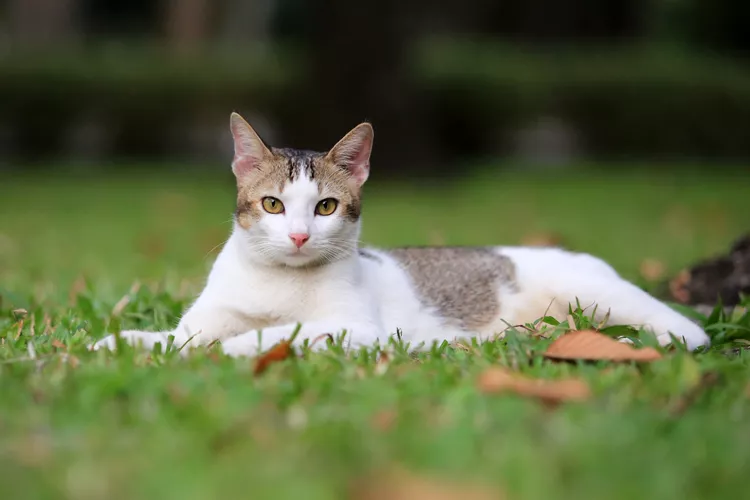
Can Cats Eat Salami?
The inspiration for a popular series of memes, the answer to "can cats have salami?" is yes--but only in small amounts.
What Fruits Can Cats Eat?
Can cats eat fruit? Learn which fruits are safe for cats and which should be avoided. Here's how to safely offer fruit to your cat as a treat.
Can Dogs Eat Raw Chicken Feet?
What are the potential health benefits of chicken feet for dogs? What are the risks?
What to Know About Byproducts in Cat Food
Byproducts in cat food are safe and can provide excellent nutrition.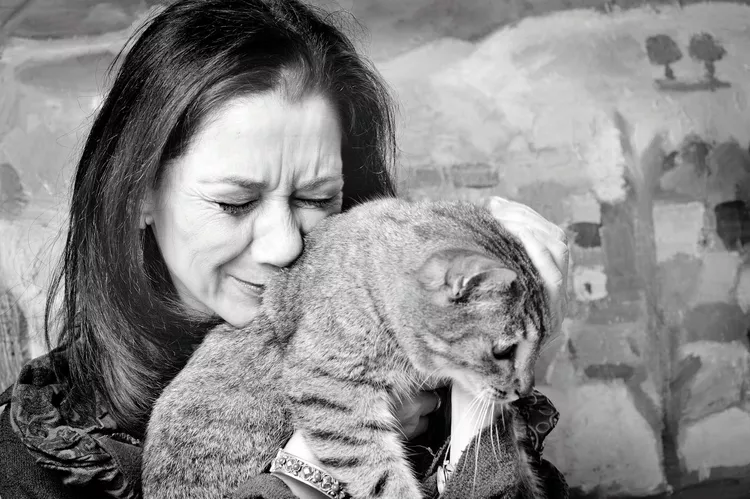
Do Cats Cry When They Are Sad or in Pain?
Cats don't cry the way people do. Your cat can produce tears, but not ones of sadness. Explore the truth behind a cat's emotions and what those tears mean.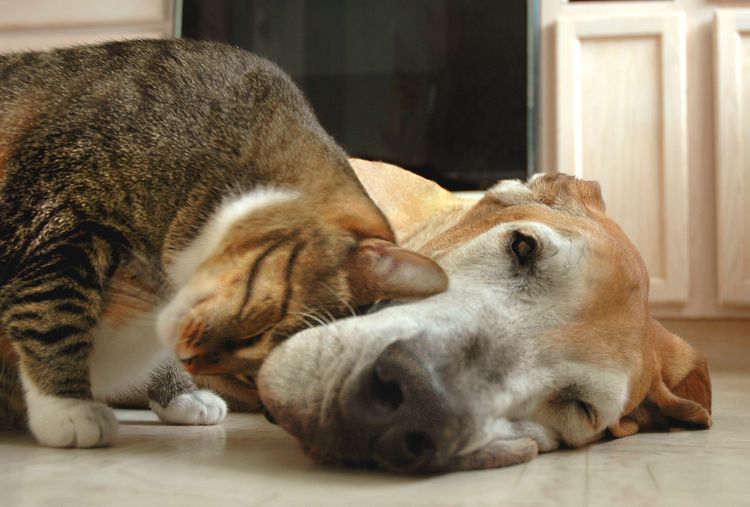
Cat Bunting Behavior: What Does It Mean?
Cats rub their heads against prominent objects to leave scent markings as a part of scent communication.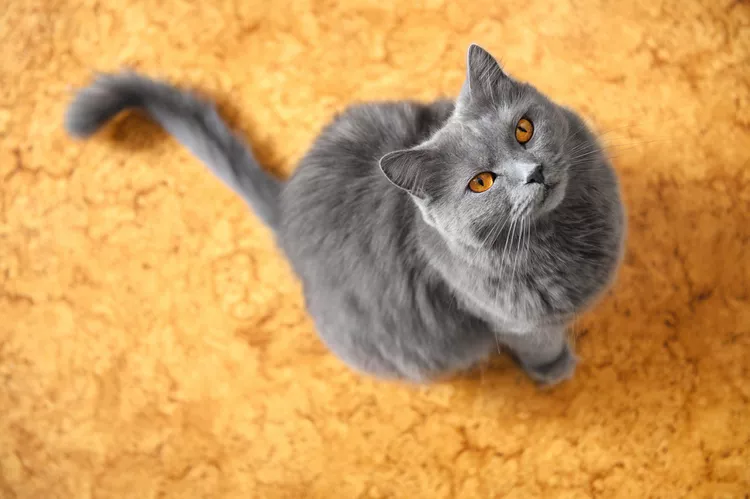
Why Do Cats Wag Their Tails?
Understanding cat tail language can reveal the many reasons cats wag their tails, and there are many.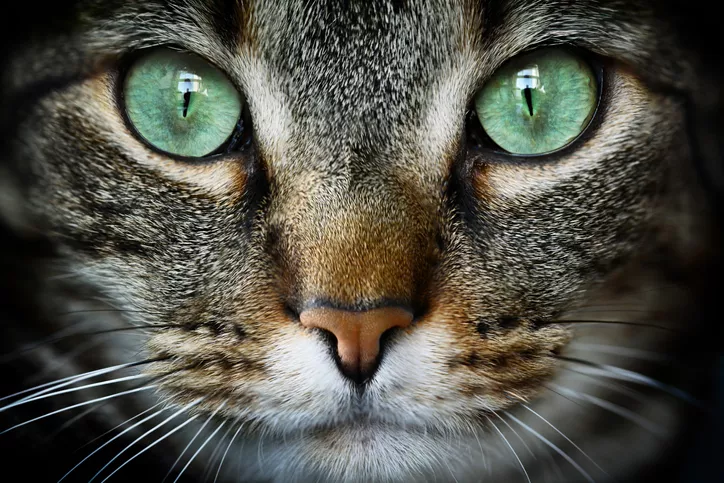
Can Cats See in the Dark?
Cats can see well in the dark but, like humans, they don't have complete night vision. They can see better than humans in low-light situations.
Cat Humping: Why a Neutered Cat Still Mounts
Even if your male cat is neutered, he may continue to mount and hump cats or other objects because of health problems or behavioral issues.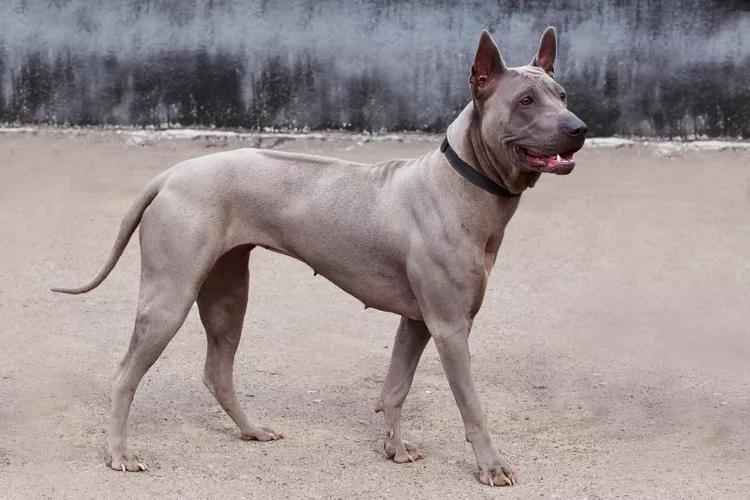
Thai Ridgeback: Dog Breed Characteristics & Care
Learn all about the Thai Ridgeback, a rare breed from Thailand. Find out how to care for the loyal dog and where to buy or adopt one.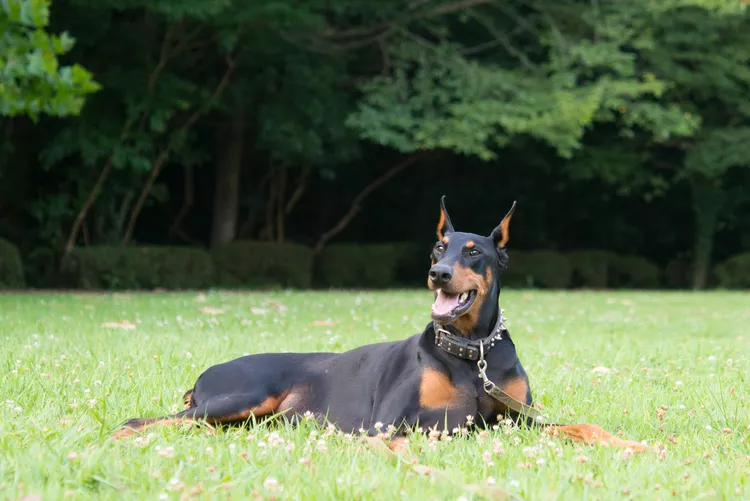
Doberman Pinscher (Dobie): Dog Breed Characteristics & Care
Doberman pinschers are intelligent, loyal, and athletic dogs. Find out more about them, including their history, fearless nature, care, and needs.
14 Pointer Dog Breeds
Pointers extend past the English or German shorthaired pointer. Learn more about the history and temperament of 14 popular pointing breeds.
Bernedoodle: Dog Breed Characteristics & Care
The Bernedoodle is a hybrid dog breed created by crossing Bernese mountain dogs with poodles. Learn about their fun-loving personality and common health issues.



:strip_icc():format(webp)/Westie-74f76b3f57e643639d67298018374e39.jpg)
:strip_icc():format(webp)/otterhound-looking-over-fence-821283152-5c6ef28e46e0fb0001718962.jpg)