Dogs and cats are curious by nature, particularly when it comes to food. They're also very good at begging for a taste of whatever we may be eating or cooking. It can be tempting to share your food with your four-legged friends, but we need to remember that some foods can be dangerous causing discomfort and even death. Below are 5 foods that are in a lot of our homes but are toxic to our pets!
Grapes and raisins are toxic to both cats and dogs and can lead to acute kidney failure or even death. While all forms of grapes are bad, it’s thought the dried versions of the fruits, which are often found in fruit cakes, trail mix, and snack bars, are more likely to cause severe symptoms if eaten. It’s not clear exactly which substance or chemicals in grapes and raisins causes poisoning in dogs, but even a very small number of grapes or raisins can cause severe problems, including death.
Normally symptoms start showing between six and 12 hours after your pet has eaten grapes or raisins, with liver failure developing within 24 to 72 hours of exposure. But these may not take effect for several days. In the most serious cases, the fruits can also cause sudden kidney failure.
Other symptoms can include
Many common products contain caffeine including coffee, tea, soda, energy drinks, and some supplements (e.g. pre-workout and weight-loss supplements). Since these products are commonly found in our homes, it’s important to be aware of the effect they can have on your pet, and to know the signs of caffeine toxicity.
Caffeine affects pets per body weight meaning the severity of the toxicity is dependent on their weight and the amount the pet consumes. Research suggests caffeine causes potentially lethal symptoms at 60 mg per 1 lb body weight. For example, instant coffee contains between 30 and 90 mg of caffeine per teaspoon depending on the brand. That means that 4 teaspoons of instant coffee could be fatal to a 5-pound dog. Other caffeinated beverages such as tea, soda, and energy drinks pose no lesser threat to your cat or dog than coffee.
Caffeine is a stimulant. That’s why it helps us stay awake. Most of the symptoms of toxicity are a result of the stimulant effects of caffeine. Dogs and cats may exhibit clinical signs of caffeine toxicity within 30 to 60 minutes of consumption.
These symptoms include:
When it comes to chocolate toxicity, it's imperative to remember this fact: Dark is most dangerous. The darker the chocolate, the larger the amount of theobromine, a cousin chemical to caffeine, that it contains. Thus, baker's chocolate, semi-sweet chocolate, cocoa powder, and gourmet dark chocolates are more dangerous than milk chocolate. A substance like pot brownies is doubly problematic due to its chocolate and marijuana content.
Chocolate is toxic because it contains a chemical called theobromine, as well as caffeine. Theobromine is the predominant toxin in chocolate and is very similar to caffeine. The severity of chocolate toxicity varies greatly depending on the type and amount of chocolate ingested and the size of the pet. Clinical signs of chocolate toxicity can take hours to develop and last for days.
These symptoms include:
Xylitol is a common sugar substitute that can be toxic to our dogs in even small amounts and it can be fatal. It’s regularly found in sugar-free chewing gum, toothpaste, mouthwash, vitamin supplements, a small handful of peanut butter brands, and other 'low sugar' or sugar-free products.
In both people and dogs, the level of blood sugar is controlled by the release of insulin from the pancreas. In people, xylitol does not stimulate the release of insulin from the pancreas. However, it’s different in canines: When dogs eat something containing xylitol, the xylitol is more quickly absorbed into the bloodstream, and may result in a potent release of insulin from the pancreas. This rapid release of insulin can cause a life-threatening drop in blood sugar as well as liver damage to dogs. Xylitol does not induce the same toxic effect on cats and other pets.
Chewing gums and breath mints typically contain 0.22-1.0 grams of xylitol per piece of gum or per mint. Thus, to achieve a potentially toxic dose, a 10-pound dog would only have to eat one piece of gum!
Symptoms of xylitol poisoning develop rapidly, usually within 15-30 minutes of consumption These symptoms include:
Garlic and onions, as well as other plants of the Allium species (leeks, chives) in either fresh, dried, or powdered forms are toxic to both dogs and cats.
Garlic is more toxic than onions with raw garlic, toxic ingestion is around 1 gram per 5 pounds, and with onions, it is 1 gram per pound. Onion and garlic powder are more potent and can cause more serious problems than fresh. Onions and garlic are common ingredients in many of the foods we eat including foods you might not consider a danger to your pet. These include pizza, some baby foods, and tomato sauce. Garlic is sometimes thought of as a "home remedy" for flea infestations; however, studies have not been conducted on this application and it is not usually recommended by veterinarians.
The primary toxic ingredient in garlic and onions is n-propyl disulfide, an oxidant. This can cause red blood cell destruction (specifically, Heinz body formation) and result in anemia. Ingestions of onions or garlic of more than 0.5% of a dog’s body weight are potentially toxic. For example, this would equate to a 30 lb dog ingesting about 2.5 ounces of onion or garlic.
Cats and Japanese breeds of dogs (Akita, Shiba Inu) are even more sensitive to the effects of these plants. Symptoms of onion and garlic toxicity can develop within one day but it can take several days to a week for your pet to show signs of anemia. These include:
It's not all gloom and doom for the pets who picnic with us, here are some healthy human food treats options. As with all treats, these should be fed in moderation.
If you suspect your pet has consumed one of the above, contact the Pet Poison Helpline and your veterinarian immediately. These toxicities can be treated, but it’s important to seek medical attention as early as possible. Always keep your veterinarian and an emergency veterinary clinic phone number and address easily accessible.

Ear Mites in Puppies and Dogs
Ear mites can be a big discomfort for puppies and dogs. Learn about the causes, treatment, and prevention to keep mites away from your pets.
5 Common Foods In Your Pantry That Are Not Safe For Your Pets
One potato chip is not going to hurt your pet, but there are other foods that can. Learn which to avoid and some safe foods that can be used as treats.
Metronidazole for Dogs
Metronidazole is a medication that is frequently given to dogs for bacterial infections and protozoan infestations of the colon. Here's what to expect if your dog is on this antibiotic.
Pulled Muscles in Dogs
A pulled muscle is one of the most common injuries seen in dogs. What can you do if your dog pulls a muscle and how can you prevent it?
Giardia in Dogs
Giardia is a parasite that can affect dogs, humans, and other animals. Learn about Giardia in dogs, including causes, diagnosis, and treatment.
Can Cats Have Raw Eggs?
Eggs are known to be a protein-packed breakfast staple in American homes. Can your cat eat raw eggs? Here's your answer.
What to Know Before You Buy Food and Water Bowls For Your Cat
Get some important information you need to know before buying food and water bowls for your cat or kitten.
Can Cats Eat Salami?
The inspiration for a popular series of memes, the answer to "can cats have salami?" is yes--but only in small amounts.
What Fruits Can Cats Eat?
Can cats eat fruit? Learn which fruits are safe for cats and which should be avoided. Here's how to safely offer fruit to your cat as a treat.
Can Dogs Eat Raw Chicken Feet?
What are the potential health benefits of chicken feet for dogs? What are the risks?
What to Know About Byproducts in Cat Food
Byproducts in cat food are safe and can provide excellent nutrition.
Do Cats Cry When They Are Sad or in Pain?
Cats don't cry the way people do. Your cat can produce tears, but not ones of sadness. Explore the truth behind a cat's emotions and what those tears mean.
Cat Bunting Behavior: What Does It Mean?
Cats rub their heads against prominent objects to leave scent markings as a part of scent communication.
Why Do Cats Wag Their Tails?
Understanding cat tail language can reveal the many reasons cats wag their tails, and there are many.
Can Cats See in the Dark?
Cats can see well in the dark but, like humans, they don't have complete night vision. They can see better than humans in low-light situations.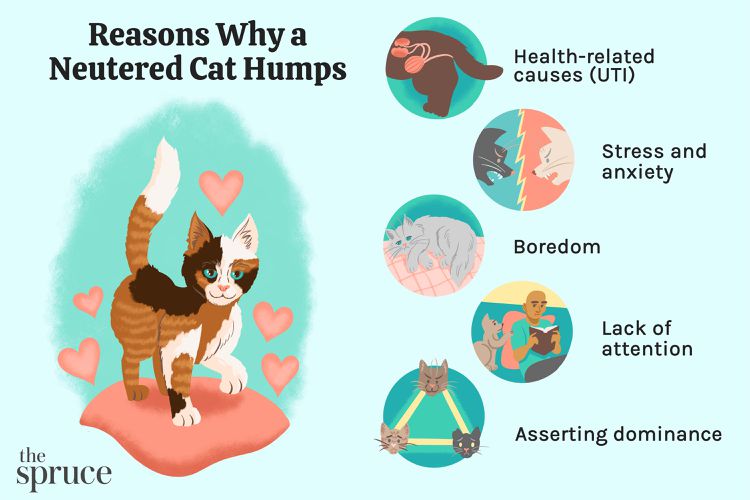
Cat Humping: Why a Neutered Cat Still Mounts
Even if your male cat is neutered, he may continue to mount and hump cats or other objects because of health problems or behavioral issues.
Thai Ridgeback: Dog Breed Characteristics & Care
Learn all about the Thai Ridgeback, a rare breed from Thailand. Find out how to care for the loyal dog and where to buy or adopt one.
Doberman Pinscher (Dobie): Dog Breed Characteristics & Care
Doberman pinschers are intelligent, loyal, and athletic dogs. Find out more about them, including their history, fearless nature, care, and needs.
14 Pointer Dog Breeds
Pointers extend past the English or German shorthaired pointer. Learn more about the history and temperament of 14 popular pointing breeds.
Bernedoodle: Dog Breed Characteristics & Care
The Bernedoodle is a hybrid dog breed created by crossing Bernese mountain dogs with poodles. Learn about their fun-loving personality and common health issues.