A popular tropical summer staple, coconuts can be found in everything from pies to fruity warm-weather cocktails. Coconuts are technically a fruit, nut, and a seed all rolled into one, and after it’s harvested from trees it can be processed into a variety of different products, from coconut meat to milk to oil.
Some curious kitties might be drawn to its potent and refreshing aroma. But can you share some coconut with your cat?
For starters, sharing a slice of coconut cream pie isn’t the same as offering some plain shredded coconut shavings with your kitty. If you’re thinking about sharing coconut with your cat, keep in mind that it will always have to be the most natural, unprocessed form of coconut since added sugars and other ingredients can be harmful to pets.
Coconut is not toxic to cats, and expert agree it’s something they can occasionally snack on if they happen to like the taste of it. So you can safely offer your cat a little bit of coconut every so often—provided the risk of diarrhea doesn’t bother you.
As always, there are some caveats to that rule. First of all, always be sure to check in with your veterinarian before offering any human food to your cat, as every feline has different health needs and your vet can advise you as to what’s best for your individual four-legged friend.
Additionally, coconut happens to have a high fat content—and the medium chain triglycerides (MCT) found in coconuts is not safe for pets in large quantities. Consuming too much coconut over time can cause a buildup that can lead to hepatic lipidosis, a disease found in cats that occurs when the liver holds too much fat. This condition is dangerous and can be life-threatening.
Other health concerns related to the high fat content of coconut are hyperlipidemia or pancreatitis. Since coconut is also high-calorie, there’s always the risk of causing obesity and other weight-related issues in cats if it’s something they’re eating on a regular basis.
And what about drinking coconut milk? Coconut milk is made when shredded coconut meat is soaked in water and then strained, and it's sometimes used as a substitute for dairy milk from cows. It’s a bit of a misconception that cats can and should be drinking milk; while many kitties love the taste, their bodies can’t process dairy well (they lack the enzymes necessary for breaking down lactose), and drinking milk can often end up giving them diarrhea and other tummy troubles. As far as coconut milk is concerned, there is an upside in that there’s less of chance that it will give your cat diarrhea—however, the fat and calories found coconut milk will cause similar issues for cats as the coconut meat itself.
For all of these reasons, cat owners may not want to offer coconut to kittens, cats with sensitive stomachs, or cats with health conditions such as diabetes or kidney or liver disease. The same rule applies for coconut milk, as well as coconut water.
A liquid found inside green, unripe coconuts, coconut water actually doesn’t contain much fat at all—however, it is rich in potassium (which is why it’s become such a popular health drink for humans). But the problem with potassium for cats is that it can cause hyperkalemia, a toxic excess of potassium that acidifies your cat's blood and can even impact the function of their heart. As a result, cats should not be offered coconut water.
One alternative way to provide your kitty with the flavor of coconut is with the use of coconut oil, which cats can taste in small quantities (such as by adding a few drops to their wet food). Better yet, it can be used when baking homemade kitty treats. But again, don’t forget its high fat content, which poses risks for pets.
And since many humans have discovered the beauty benefits of coconut oil, keep in mind that it can also be used on your cat’s fur to soften tangles and promote a healthy, lustrous coat. Just like with human skin, coconut oil can also be effective on any bare or irritated patches of skin on your cat; the vitamin E and fats found in coconut oil are effective at soothing and moisturizing sore skin for both felines and humans alike.

Ear Mites in Puppies and Dogs
Ear mites can be a big discomfort for puppies and dogs. Learn about the causes, treatment, and prevention to keep mites away from your pets.
5 Common Foods In Your Pantry That Are Not Safe For Your Pets
One potato chip is not going to hurt your pet, but there are other foods that can. Learn which to avoid and some safe foods that can be used as treats.
Metronidazole for Dogs
Metronidazole is a medication that is frequently given to dogs for bacterial infections and protozoan infestations of the colon. Here's what to expect if your dog is on this antibiotic.
Pulled Muscles in Dogs
A pulled muscle is one of the most common injuries seen in dogs. What can you do if your dog pulls a muscle and how can you prevent it?
Giardia in Dogs
Giardia is a parasite that can affect dogs, humans, and other animals. Learn about Giardia in dogs, including causes, diagnosis, and treatment.
Can Cats Have Raw Eggs?
Eggs are known to be a protein-packed breakfast staple in American homes. Can your cat eat raw eggs? Here's your answer.
What to Know Before You Buy Food and Water Bowls For Your Cat
Get some important information you need to know before buying food and water bowls for your cat or kitten.
Can Cats Eat Salami?
The inspiration for a popular series of memes, the answer to "can cats have salami?" is yes--but only in small amounts.
What Fruits Can Cats Eat?
Can cats eat fruit? Learn which fruits are safe for cats and which should be avoided. Here's how to safely offer fruit to your cat as a treat.
Can Dogs Eat Raw Chicken Feet?
What are the potential health benefits of chicken feet for dogs? What are the risks?
What to Know About Byproducts in Cat Food
Byproducts in cat food are safe and can provide excellent nutrition.
Do Cats Cry When They Are Sad or in Pain?
Cats don't cry the way people do. Your cat can produce tears, but not ones of sadness. Explore the truth behind a cat's emotions and what those tears mean.
Cat Bunting Behavior: What Does It Mean?
Cats rub their heads against prominent objects to leave scent markings as a part of scent communication.
Why Do Cats Wag Their Tails?
Understanding cat tail language can reveal the many reasons cats wag their tails, and there are many.
Can Cats See in the Dark?
Cats can see well in the dark but, like humans, they don't have complete night vision. They can see better than humans in low-light situations.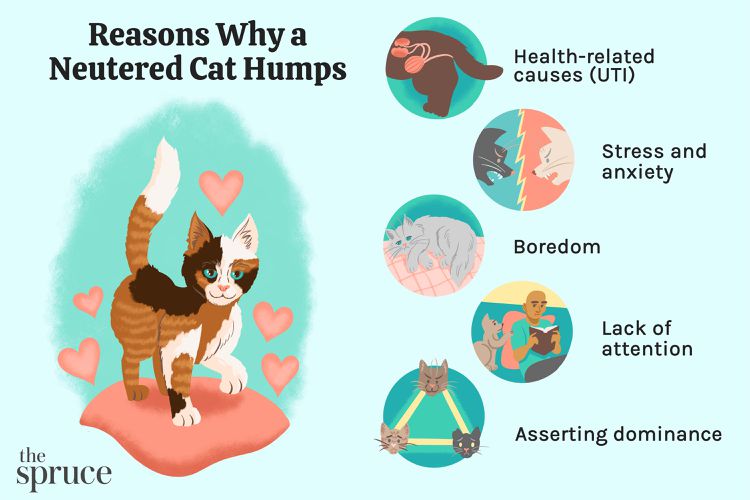
Cat Humping: Why a Neutered Cat Still Mounts
Even if your male cat is neutered, he may continue to mount and hump cats or other objects because of health problems or behavioral issues.
Thai Ridgeback: Dog Breed Characteristics & Care
Learn all about the Thai Ridgeback, a rare breed from Thailand. Find out how to care for the loyal dog and where to buy or adopt one.
Doberman Pinscher (Dobie): Dog Breed Characteristics & Care
Doberman pinschers are intelligent, loyal, and athletic dogs. Find out more about them, including their history, fearless nature, care, and needs.
14 Pointer Dog Breeds
Pointers extend past the English or German shorthaired pointer. Learn more about the history and temperament of 14 popular pointing breeds.
Bernedoodle: Dog Breed Characteristics & Care
The Bernedoodle is a hybrid dog breed created by crossing Bernese mountain dogs with poodles. Learn about their fun-loving personality and common health issues.