Buying food and water bowls for your cat isn't a simple matter of picking the cutest pattern or the right size. Here are some important considerations to think about before making a choice.
Although plastic bowls are generally sturdy, they have a couple of downsides. First, many cats have an allergy to plastic and develop a skin condition on their chins resembling acne. Second, plastic tends to nick and scratch, and those tiny fissures become a breeding ground for germs. It's best to avoid plastic if at all possible.
Stainless steel is unbreakable, sturdy, dishwasher-safe, and harmless to cats. It (along with ceramic bowls) is recommended by most veterinarians. Another good choice is ceramic, provided it uses a lead-free glaze. (Most do, nowadays.)
Cats do not like to eat or drink from dirty bowls and dishes. Even dry food has enough moisture and fat in it to leave a film in the dish. Try to rinse out dry food bowls daily, and run them through the dishwasher at least every few days. Bowls used for canned food should be washed in the dishwasher daily.
The best cat bowls tend to be large enough to hold a meal-sized portion of cat food (one to two cups). The shape isn't all that important, except straight-sided bowls are less likely to tip over and make a mess.
Many "designer" cat food dishes nowadays come with matching "placemats." These mats serve to anchor the dish, as well as to catch any dribbles that may spill out. You can make your own placemat by using disposable materials, such as cardboard from boxes or carpet remnants. Inexpensive plastic "human" placemats are nice too. They can be wiped off, and liquid spills don't soak through.
We all have had those emergencies when you have to be away overnight, or your boss asks you to work late. Free-feeding isn't always the answer, particularly with an overweight cat. To the rescue: automatic feeders. These range from expensive electronic feeders that can be programmed over several days, to simple battery-operated feeders that will pop open at the appointed time.

Ear Mites in Puppies and Dogs
Ear mites can be a big discomfort for puppies and dogs. Learn about the causes, treatment, and prevention to keep mites away from your pets.
5 Common Foods In Your Pantry That Are Not Safe For Your Pets
One potato chip is not going to hurt your pet, but there are other foods that can. Learn which to avoid and some safe foods that can be used as treats.
Metronidazole for Dogs
Metronidazole is a medication that is frequently given to dogs for bacterial infections and protozoan infestations of the colon. Here's what to expect if your dog is on this antibiotic.
Pulled Muscles in Dogs
A pulled muscle is one of the most common injuries seen in dogs. What can you do if your dog pulls a muscle and how can you prevent it?
Giardia in Dogs
Giardia is a parasite that can affect dogs, humans, and other animals. Learn about Giardia in dogs, including causes, diagnosis, and treatment.
Can Cats Have Raw Eggs?
Eggs are known to be a protein-packed breakfast staple in American homes. Can your cat eat raw eggs? Here's your answer.
What to Know Before You Buy Food and Water Bowls For Your Cat
Get some important information you need to know before buying food and water bowls for your cat or kitten.
Can Cats Eat Salami?
The inspiration for a popular series of memes, the answer to "can cats have salami?" is yes--but only in small amounts.
What Fruits Can Cats Eat?
Can cats eat fruit? Learn which fruits are safe for cats and which should be avoided. Here's how to safely offer fruit to your cat as a treat.
Can Dogs Eat Raw Chicken Feet?
What are the potential health benefits of chicken feet for dogs? What are the risks?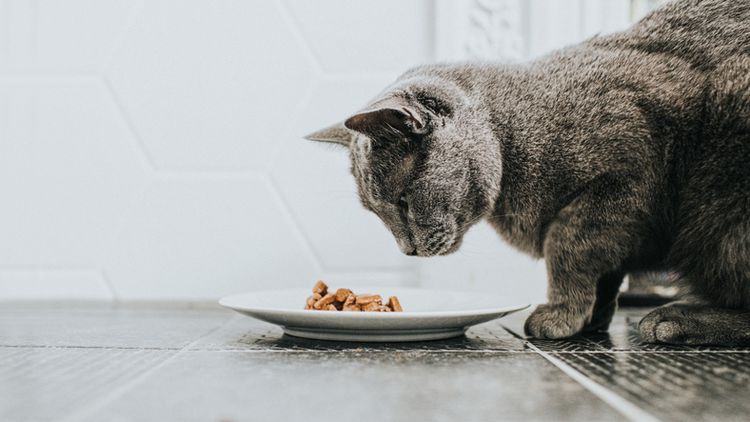
What to Know About Byproducts in Cat Food
Byproducts in cat food are safe and can provide excellent nutrition.
Do Cats Cry When They Are Sad or in Pain?
Cats don't cry the way people do. Your cat can produce tears, but not ones of sadness. Explore the truth behind a cat's emotions and what those tears mean.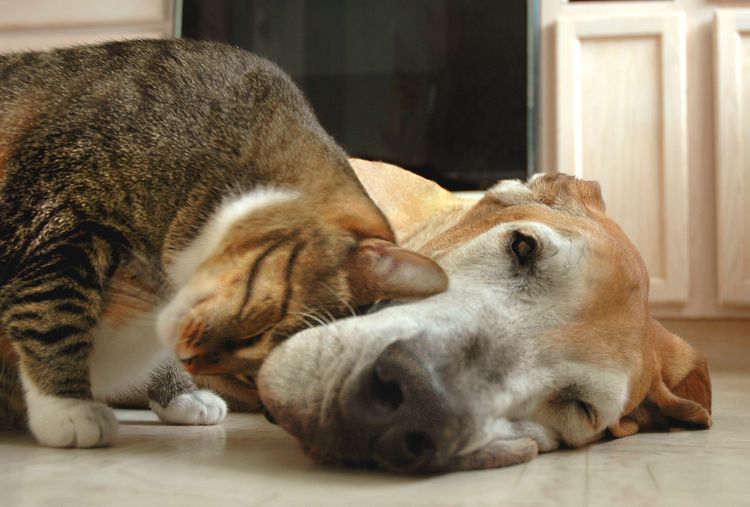
Cat Bunting Behavior: What Does It Mean?
Cats rub their heads against prominent objects to leave scent markings as a part of scent communication.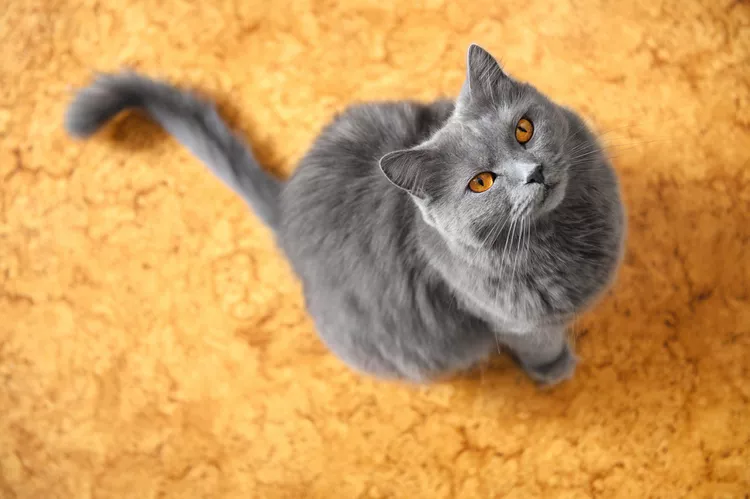
Why Do Cats Wag Their Tails?
Understanding cat tail language can reveal the many reasons cats wag their tails, and there are many.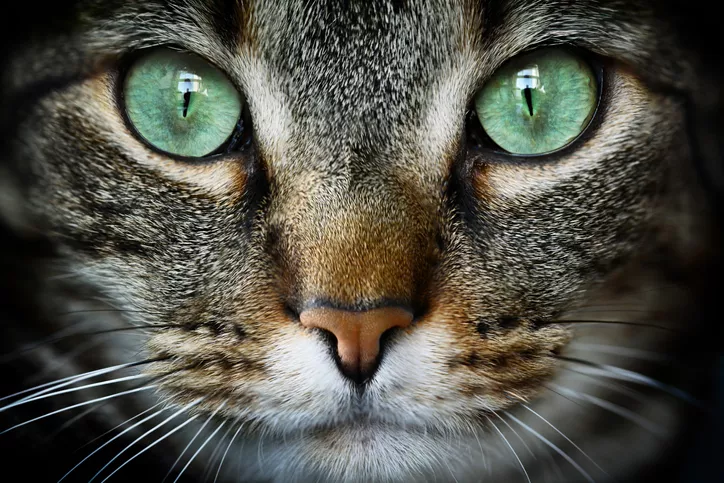
Can Cats See in the Dark?
Cats can see well in the dark but, like humans, they don't have complete night vision. They can see better than humans in low-light situations.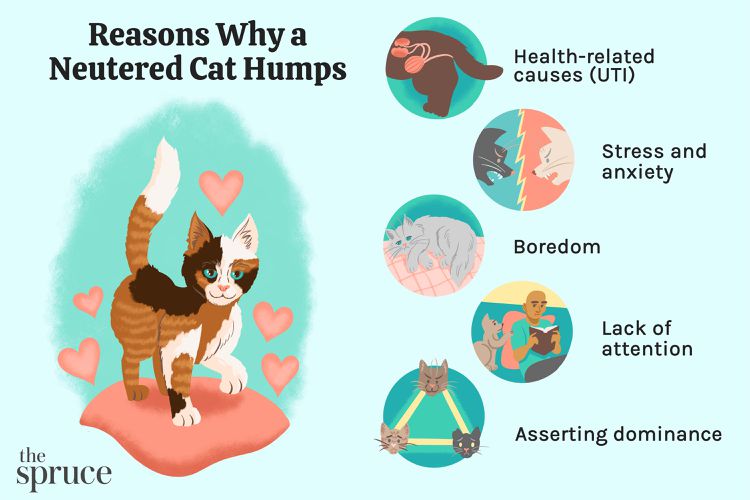
Cat Humping: Why a Neutered Cat Still Mounts
Even if your male cat is neutered, he may continue to mount and hump cats or other objects because of health problems or behavioral issues.
Thai Ridgeback: Dog Breed Characteristics & Care
Learn all about the Thai Ridgeback, a rare breed from Thailand. Find out how to care for the loyal dog and where to buy or adopt one.
Doberman Pinscher (Dobie): Dog Breed Characteristics & Care
Doberman pinschers are intelligent, loyal, and athletic dogs. Find out more about them, including their history, fearless nature, care, and needs.
14 Pointer Dog Breeds
Pointers extend past the English or German shorthaired pointer. Learn more about the history and temperament of 14 popular pointing breeds.
Bernedoodle: Dog Breed Characteristics & Care
The Bernedoodle is a hybrid dog breed created by crossing Bernese mountain dogs with poodles. Learn about their fun-loving personality and common health issues.