A female dog in heat will undergo several physical and behavioral changes throughout her heat cycle. Some common behaviors of a female dog in heat include receptiveness to male dogs and nervous or agitated behavior. She may also exhibit physical signs including bloody discharge and a swollen vulva.
Most dog owners who do not plan on breeding their dogs will choose to have their females spayed to prevent accidental pregnancy and hormone-related issues later in life. Having an unspayed dog—especially if you also have an intact male dog—in your home can be a challenge, but knowing what to expect can help prevent problems from arising. Here's what to expect when your female dog comes into heat.
On average, most dogs will begin their first heat cycle between six and 15 months of age. The age of a dog’s first heat cycle varies greatly between breeds. Toy breeds can come into heat for the first time as young as four months, while large and giant breeds may be as old as two years before experiencing a first heat cycle.
During your dog’s heat cycle, she will experience four phases, noted by various changes in her body and behavior.
The more aware you are of your dog's cycle, the more prepared you will be for any physical and behavioral changes that may occur. During each phase of her heat cycle, you'll see her show specific behaviors as well as physical signs.
Receptive to male dogs: Once your dog is in the midst of her estrus cycle, she will welcome the advances of male dogs. She will allow other dogs to mount her, may hump other dogs—including other female dogs—and may even try to mount your leg or other pets in the home.
Agitated, nervous, or aggressive behavior: In the first phase of estrus, your dog might seem skittery or nervous. She might become aggressive towards other household pets, or even towards you. As estrus progresses, she may become aggressive towards other female dogs but welcoming to male dogs.
Excessive licking of the genital area: Commonly, a female dog in heat will lick her genital region far more than usual.
Urinating more frequently: Dogs in heat tend to urinate frequently as a method of alerting male dogs in the area that they are receptive to mating.
Change in tail position: At the beginning of the heat cycle, your female dog might keep her tail tucked close against her body, but as estrus progresses, you'll observe her holding her tail to the side, which alerts male dogs that she is ready for mating.
Swollen vulva: The opening to the dog's vagina is called the vulva and is located right below the dog's anus. When in heat, your dog's vulva will swell and redden. This can be very pronounced and alarming to dog owners seeing it for the first time, but it's a normal part of estrus.
Bloody or straw-colored discharge from the vulva: Your dog will have a discharge from her vulva while in heat. At the beginning of estrus, the discharge is typically bloody, and it may leave blood spots or stains on the dog's bedding, your furniture, or the floor. As estrus continues, the discharge generally becomes more of a yellowish or brownish color and diminishes in quantity.
With clues gleaned from your female dog’s physical appearance and behavior, you can determine which stage of her heat cycle she is experiencing.
Dogs have an average of two heat cycles per year, roughly six months apart. Some females will have irregular cycles, especially if they are very young or very old. Smaller breeds may cycle three times per year, while giant breeds may only cycle once every 12 months. Unlike some other species, canine estrous cycles are not dependent on the seasons, sunlight, or temperature.
If your dog is experiencing her first heat cycle, it can be an unsettling situation for both of you. Follow these tips to ensure her heat goes as smoothly as possible:
Veterinarians generally recommend spaying female dogs around six months of age to prevent mammary cancer, uterine infections, and other hormone-related issues. Some dogs are spayed even earlier, especially in shelter environments. However, current research suggests that large- and giant-breed dogs may need more time to grow before removing the hormones necessary for skeletal development. Talk to your veterinarian about your dog's unique needs before you decide what age is appropriate to spay your dog.
Dogs are in heat for a week-and-a-half to two weeks. Estrus can last as long as four weeks in some dogs. However, your dog will not bleed or have discharge for the entire heat cycle.
No, she cannot. Dogs can only get pregnant when they are in heat. While pregnancy is possible during the entire heat cycle, the dog is most fertile around a week or so after estrus begins. The window of highest fertility is around five days long.
The best way to keep your house clean is to outfit your dog in a heat diaper, something that will catch the blood that she is discharging. It's also helpful to keep the dog off furniture and carpeted areas during this time or spread towels over areas your dog frequents.
Your dog's general personality may change in some ways around her first heat because she is reaching adolescence, but she won't necessarily become a completely different dog. However, you may notice that some of her puppy-like personality traits fade as she ages. During her heat, you'll notice several behavior changes, including agitation, nervousness, and even aggression toward males. She also may mount, or hump other dogs. After her heat ends, these behaviors will typically stop.
Ear Mites in Puppies and Dogs
Ear mites can be a big discomfort for puppies and dogs. Learn about the causes, treatment, and prevention to keep mites away from your pets.
5 Common Foods In Your Pantry That Are Not Safe For Your Pets
One potato chip is not going to hurt your pet, but there are other foods that can. Learn which to avoid and some safe foods that can be used as treats.
Metronidazole for Dogs
Metronidazole is a medication that is frequently given to dogs for bacterial infections and protozoan infestations of the colon. Here's what to expect if your dog is on this antibiotic.
Pulled Muscles in Dogs
A pulled muscle is one of the most common injuries seen in dogs. What can you do if your dog pulls a muscle and how can you prevent it?
Giardia in Dogs
Giardia is a parasite that can affect dogs, humans, and other animals. Learn about Giardia in dogs, including causes, diagnosis, and treatment.
Can Cats Have Raw Eggs?
Eggs are known to be a protein-packed breakfast staple in American homes. Can your cat eat raw eggs? Here's your answer.
What to Know Before You Buy Food and Water Bowls For Your Cat
Get some important information you need to know before buying food and water bowls for your cat or kitten.
Can Cats Eat Salami?
The inspiration for a popular series of memes, the answer to "can cats have salami?" is yes--but only in small amounts.
What Fruits Can Cats Eat?
Can cats eat fruit? Learn which fruits are safe for cats and which should be avoided. Here's how to safely offer fruit to your cat as a treat.
Can Dogs Eat Raw Chicken Feet?
What are the potential health benefits of chicken feet for dogs? What are the risks?
What to Know About Byproducts in Cat Food
Byproducts in cat food are safe and can provide excellent nutrition.
Do Cats Cry When They Are Sad or in Pain?
Cats don't cry the way people do. Your cat can produce tears, but not ones of sadness. Explore the truth behind a cat's emotions and what those tears mean.
Cat Bunting Behavior: What Does It Mean?
Cats rub their heads against prominent objects to leave scent markings as a part of scent communication.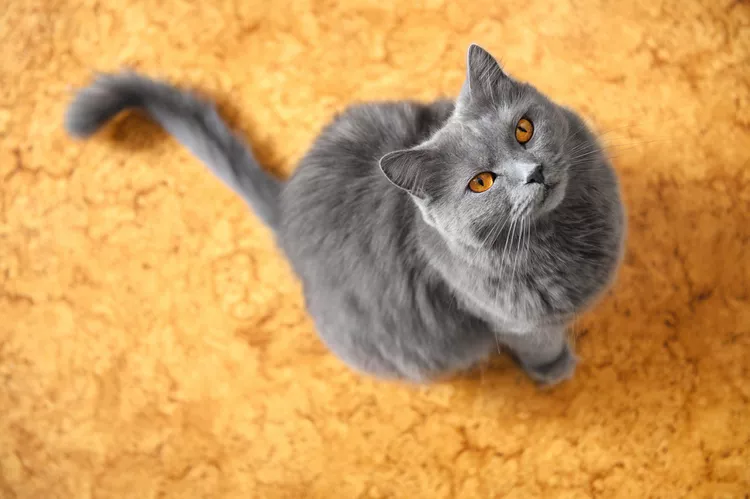
Why Do Cats Wag Their Tails?
Understanding cat tail language can reveal the many reasons cats wag their tails, and there are many.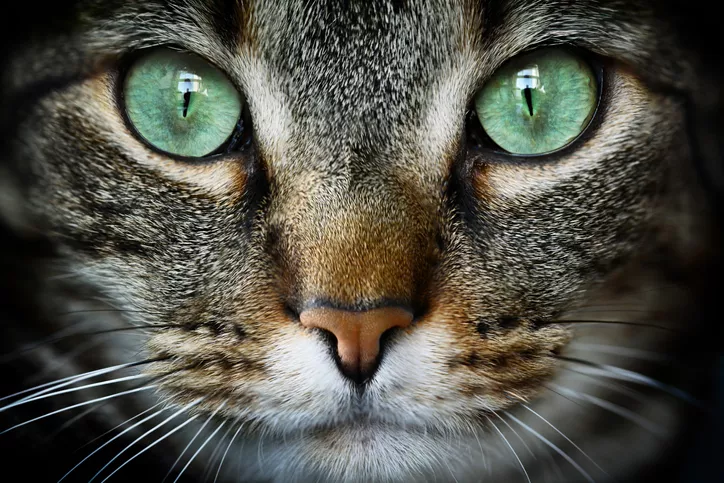
Can Cats See in the Dark?
Cats can see well in the dark but, like humans, they don't have complete night vision. They can see better than humans in low-light situations.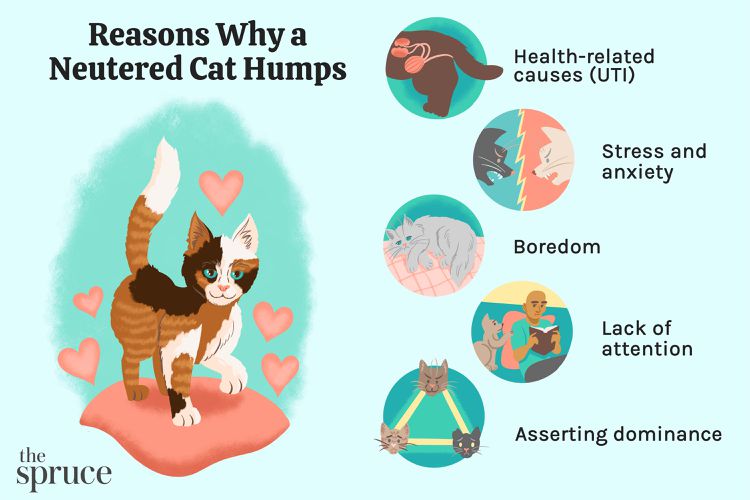
Cat Humping: Why a Neutered Cat Still Mounts
Even if your male cat is neutered, he may continue to mount and hump cats or other objects because of health problems or behavioral issues.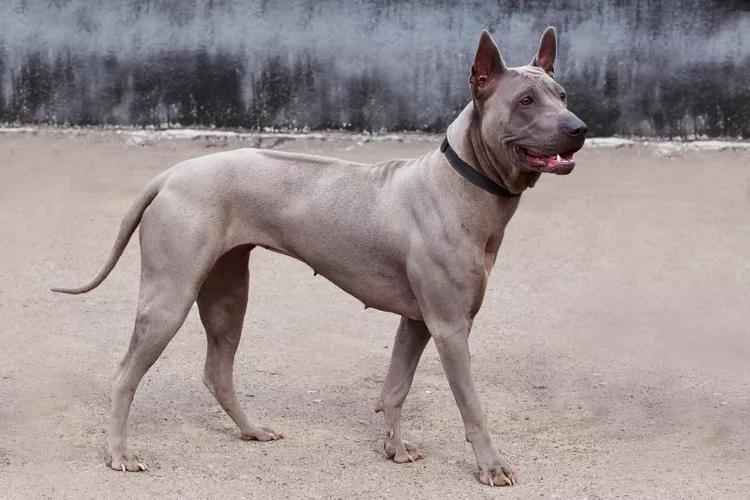
Thai Ridgeback: Dog Breed Characteristics & Care
Learn all about the Thai Ridgeback, a rare breed from Thailand. Find out how to care for the loyal dog and where to buy or adopt one.
Doberman Pinscher (Dobie): Dog Breed Characteristics & Care
Doberman pinschers are intelligent, loyal, and athletic dogs. Find out more about them, including their history, fearless nature, care, and needs.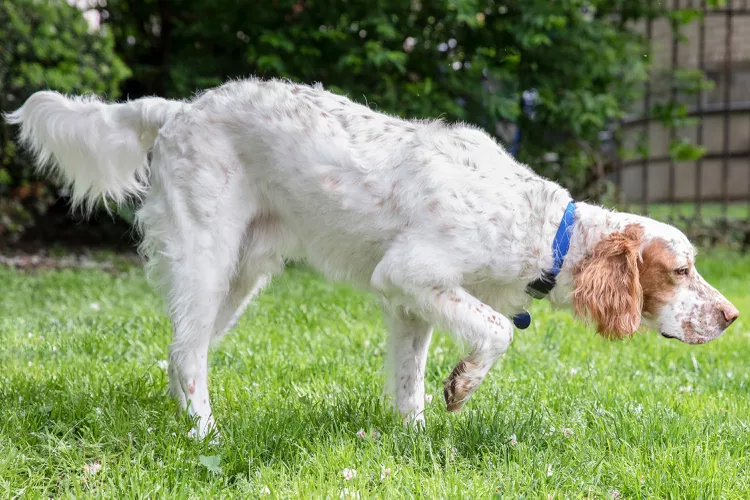
14 Pointer Dog Breeds
Pointers extend past the English or German shorthaired pointer. Learn more about the history and temperament of 14 popular pointing breeds.
Bernedoodle: Dog Breed Characteristics & Care
The Bernedoodle is a hybrid dog breed created by crossing Bernese mountain dogs with poodles. Learn about their fun-loving personality and common health issues.