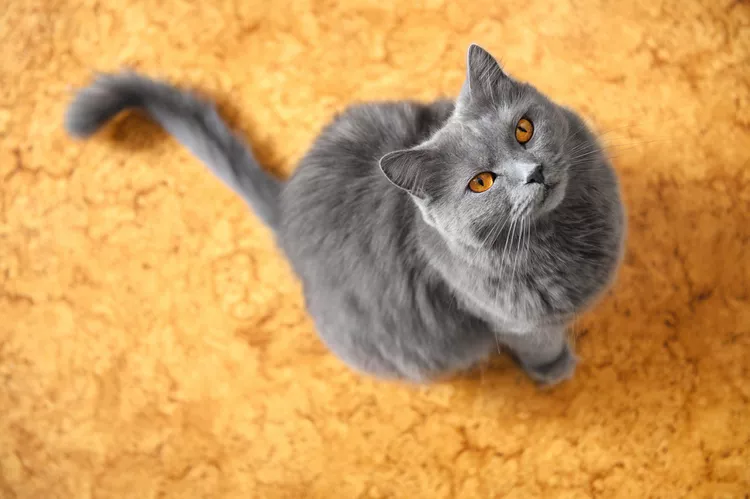
Mysterious creatures that cats are, it can sometimes be hard to know what a cat is thinking. Cats can’t tell us how they are feeling, but one way to clue into your cat’s moods is looking at how she holds or moves various parts of its body. Learning to read your cat’s body language, including its tail language, is the key to unlocking your cat’s secrets.
You might be familiar with the sight of dogs wagging their tails, a sign that usually means the dog is happy and open to receiving affection or engaging in play. Although cats may sometimes wag their tails when they are happy, more often a cat wagging its tail is not happy or calm. To figure out what your cat’s wagging tail means, look at the way the tail is wagging, as well as other body language signs that could give you clues about your cat’s mood.
Cats wag their tails in many different ways and for many different reasons. You might see your cat swishing its tail slowly or thrashing it wildly, or you might see your cat’s tail quivering or flicking back and forth. When trying to decode a cat’s wagging tail, take notice of whether your cat is lying down or standing, whether it is growling or hissing, and if its hair is lying smooth or standing on end. Here are some of the most common cat tail wagging movements:
Tail swaying: If your cat is lying down, looking relaxed and possibly purring, and you see its tail slowly swaying back and forth, occasionally thumping against the ground, your cat is likely feeling happy and content.
Tail flicking: If your cat is holding its tail low and slowly flicking it from side to side, it’s often a sign that it’s feeling playful. Try tossing your cat a toy or breaking out the feather wand to engage it in a bit of playtime.
Tail twitching: Cats sometimes twitch their tails if they are feeling upset or want to be left alone. If this is the case, you might also see your cat turn its head or body away from you as a further sign to stay away. Other times, cats twitch their tails when they are watching something stimulating, such as birds outside the window or a mouse on your lawn. In such cases, the tail twitching is likely involuntary and simply an expression of excitement or frustration.
Tail quivering: If your cat approaches you with its tail held straight up and you see it quivering a bit, this is usually a sign that your cat is happy to see you. Other body language signs that support this includes rubbing against your legs, meowing at you, and purring.
Tail swishing: A cats that is slowly swishing its tail back and forth might be getting ready to pounce. Other body language to look for includes holding the body very still and staring intently at object about to be ambushed.
Tail thrashing: A cat that is quickly thrashing its tail back and forth is sending a clear message: Stay away! Tail thrashing is a sign that a cat is angry or afraid. Other body language you might see in an upset cat includes ears pinned back flat, growling or hissing, body crouched low to the ground, and hair standing up (including a bottle brush tail). Sometimes cats thrash their tails when they become overstimulated by touch. If you are petting your cat but its suddenly starts thrashing its tail, it’s time to remove your hands or you might get bitten.
So, if tail wagging is not the sign of a happy cat, what type of tail language communicates that a cat is feeling playful? A cat with its tail straight up and holding it very still—possibly with a slightly curved tip—is likely interested in attention and looking to play. A cat slowly flicking its tail while holding it low is also likely open to some playtime with you. If you’re ever in doubt about how your cat is feeling, simply give it some space and let it come to you when it’s ready for some affection.
Ear Mites in Puppies and Dogs
Ear mites can be a big discomfort for puppies and dogs. Learn about the causes, treatment, and prevention to keep mites away from your pets.
5 Common Foods In Your Pantry That Are Not Safe For Your Pets
One potato chip is not going to hurt your pet, but there are other foods that can. Learn which to avoid and some safe foods that can be used as treats.
Metronidazole for Dogs
Metronidazole is a medication that is frequently given to dogs for bacterial infections and protozoan infestations of the colon. Here's what to expect if your dog is on this antibiotic.
Pulled Muscles in Dogs
A pulled muscle is one of the most common injuries seen in dogs. What can you do if your dog pulls a muscle and how can you prevent it?
Giardia in Dogs
Giardia is a parasite that can affect dogs, humans, and other animals. Learn about Giardia in dogs, including causes, diagnosis, and treatment.
Can Cats Have Raw Eggs?
Eggs are known to be a protein-packed breakfast staple in American homes. Can your cat eat raw eggs? Here's your answer.
What to Know Before You Buy Food and Water Bowls For Your Cat
Get some important information you need to know before buying food and water bowls for your cat or kitten.
Can Cats Eat Salami?
The inspiration for a popular series of memes, the answer to "can cats have salami?" is yes--but only in small amounts.
What Fruits Can Cats Eat?
Can cats eat fruit? Learn which fruits are safe for cats and which should be avoided. Here's how to safely offer fruit to your cat as a treat.
Can Dogs Eat Raw Chicken Feet?
What are the potential health benefits of chicken feet for dogs? What are the risks?
What to Know About Byproducts in Cat Food
Byproducts in cat food are safe and can provide excellent nutrition.
Do Cats Cry When They Are Sad or in Pain?
Cats don't cry the way people do. Your cat can produce tears, but not ones of sadness. Explore the truth behind a cat's emotions and what those tears mean.
Cat Bunting Behavior: What Does It Mean?
Cats rub their heads against prominent objects to leave scent markings as a part of scent communication.
Why Do Cats Wag Their Tails?
Understanding cat tail language can reveal the many reasons cats wag their tails, and there are many.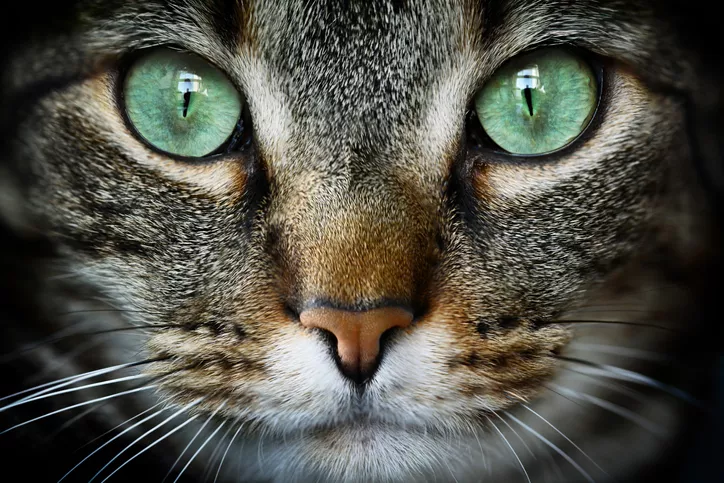
Can Cats See in the Dark?
Cats can see well in the dark but, like humans, they don't have complete night vision. They can see better than humans in low-light situations.
Cat Humping: Why a Neutered Cat Still Mounts
Even if your male cat is neutered, he may continue to mount and hump cats or other objects because of health problems or behavioral issues.
Thai Ridgeback: Dog Breed Characteristics & Care
Learn all about the Thai Ridgeback, a rare breed from Thailand. Find out how to care for the loyal dog and where to buy or adopt one.
Doberman Pinscher (Dobie): Dog Breed Characteristics & Care
Doberman pinschers are intelligent, loyal, and athletic dogs. Find out more about them, including their history, fearless nature, care, and needs.
14 Pointer Dog Breeds
Pointers extend past the English or German shorthaired pointer. Learn more about the history and temperament of 14 popular pointing breeds.
Bernedoodle: Dog Breed Characteristics & Care
The Bernedoodle is a hybrid dog breed created by crossing Bernese mountain dogs with poodles. Learn about their fun-loving personality and common health issues.