
Cats speak a different language than humans so their behaviors are often actually their ways of trying to say something. Urine spraying is one of these such behaviors but unfortunately it isn't something any cat owner likes to see, much less clean up. Knowing why your cat may be spraying and what you can do about it can help ease some stress and frustration for both you and your cat.
Cats may urinate outside their box and practice inappropriate elimination but when they pee vertically and not on the floor or other horizontal surfaces it is referred to as spraying or marking. When a cat marks, urine is sprayed against a wall, table leg, couch, or other surface as a cat stands, raises its tail, shakes, and backs up to the item. It is typically a small amount of urine that sprays out instead of a steady stream that is produced during a normal, squatting, urination. But while the amount may be small, the smell is often not. Both male and female cats can spray, however, the behavior is more common in males, and only intact (un-neutered) males will have the especially pungent "Tom Cat" odor to their urine.
A cat may spray urine for a variety of reasons but these reasons can typically be classified as either a response to an environmental stressor or a territorial behavior. Environmental stressors may include new people, such as a baby, in the home, new animals, such as a puppy or other cat, construction or remodeling in your home, boredom with its feeding regimen or playtime, litter concerns such as scented or dirty litter, a litter box that it doesn't like, such as a covered or automatic cleaning box, and more. Basically, if a cat is upset or stressed about something it may spray but it may also be hard for a cat owner to know what their cat isn't happy about.
Territorial reasons for spraying can include outdoor cats or other wildlife that your cat can see or hear indoors, new cats in the home creating a sense of competition, and/or 'marking' to claim certain territories as his own. Spraying tells other cats that the space has already been claimed by them and they are not to be messed with.
Neutering a male cat will dramatically decrease the likelihood that it will spray, as most causes of this behavior are driven by testosterone, but a small percentage of cats will still spray after having this procedure performed. According to the Cornell Feline Health Center, 10% of cats will continue to spray even after they have been neutered. Neutering a cat especially helps to decrease territorial spraying since less hormones are influencing them, but if your cat is stressed or upset about something in its environment, it is still physically capable of spraying.
All types of inappropriate elimination can be difficult and frustrating to stop but there are a few things you can do.

Ear Mites in Puppies and Dogs
Ear mites can be a big discomfort for puppies and dogs. Learn about the causes, treatment, and prevention to keep mites away from your pets.
5 Common Foods In Your Pantry That Are Not Safe For Your Pets
One potato chip is not going to hurt your pet, but there are other foods that can. Learn which to avoid and some safe foods that can be used as treats.
Metronidazole for Dogs
Metronidazole is a medication that is frequently given to dogs for bacterial infections and protozoan infestations of the colon. Here's what to expect if your dog is on this antibiotic.
Pulled Muscles in Dogs
A pulled muscle is one of the most common injuries seen in dogs. What can you do if your dog pulls a muscle and how can you prevent it?
Giardia in Dogs
Giardia is a parasite that can affect dogs, humans, and other animals. Learn about Giardia in dogs, including causes, diagnosis, and treatment.
Can Cats Have Raw Eggs?
Eggs are known to be a protein-packed breakfast staple in American homes. Can your cat eat raw eggs? Here's your answer.
What to Know Before You Buy Food and Water Bowls For Your Cat
Get some important information you need to know before buying food and water bowls for your cat or kitten.
Can Cats Eat Salami?
The inspiration for a popular series of memes, the answer to "can cats have salami?" is yes--but only in small amounts.
What Fruits Can Cats Eat?
Can cats eat fruit? Learn which fruits are safe for cats and which should be avoided. Here's how to safely offer fruit to your cat as a treat.
Can Dogs Eat Raw Chicken Feet?
What are the potential health benefits of chicken feet for dogs? What are the risks?
What to Know About Byproducts in Cat Food
Byproducts in cat food are safe and can provide excellent nutrition.
Do Cats Cry When They Are Sad or in Pain?
Cats don't cry the way people do. Your cat can produce tears, but not ones of sadness. Explore the truth behind a cat's emotions and what those tears mean.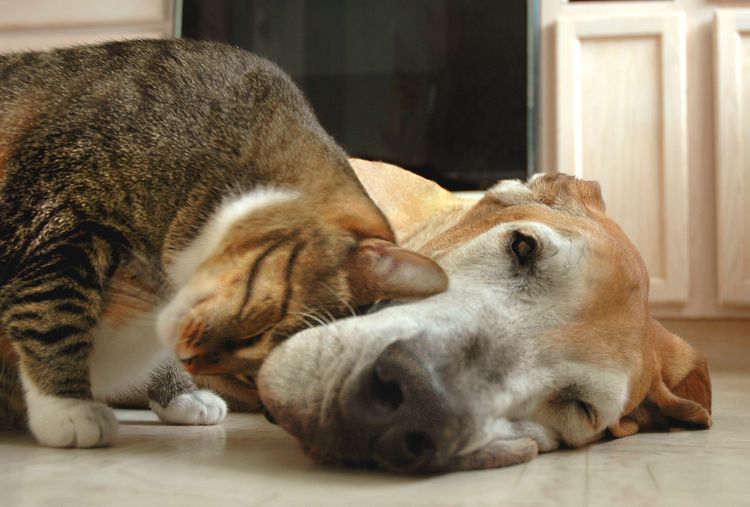
Cat Bunting Behavior: What Does It Mean?
Cats rub their heads against prominent objects to leave scent markings as a part of scent communication.
Why Do Cats Wag Their Tails?
Understanding cat tail language can reveal the many reasons cats wag their tails, and there are many.
Can Cats See in the Dark?
Cats can see well in the dark but, like humans, they don't have complete night vision. They can see better than humans in low-light situations.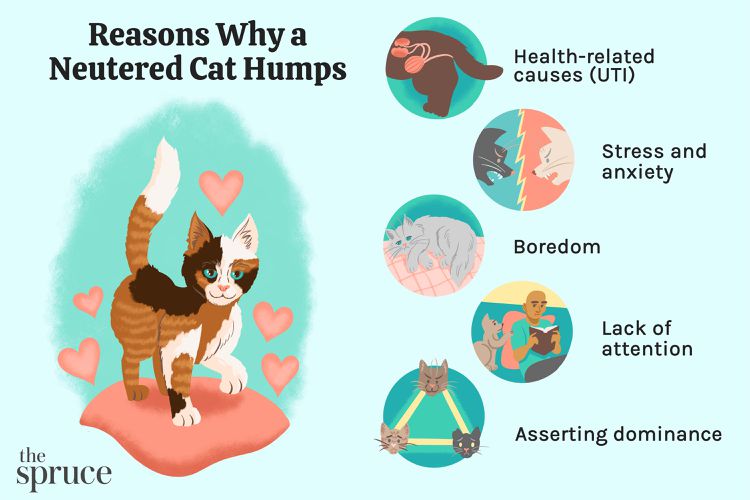
Cat Humping: Why a Neutered Cat Still Mounts
Even if your male cat is neutered, he may continue to mount and hump cats or other objects because of health problems or behavioral issues.
Thai Ridgeback: Dog Breed Characteristics & Care
Learn all about the Thai Ridgeback, a rare breed from Thailand. Find out how to care for the loyal dog and where to buy or adopt one.
Doberman Pinscher (Dobie): Dog Breed Characteristics & Care
Doberman pinschers are intelligent, loyal, and athletic dogs. Find out more about them, including their history, fearless nature, care, and needs.
14 Pointer Dog Breeds
Pointers extend past the English or German shorthaired pointer. Learn more about the history and temperament of 14 popular pointing breeds.
Bernedoodle: Dog Breed Characteristics & Care
The Bernedoodle is a hybrid dog breed created by crossing Bernese mountain dogs with poodles. Learn about their fun-loving personality and common health issues.