Feline communication is a complex system of sign language, some vocalization, and even scent cues people can’t detect. Signals help define and reinforce the cat’s social position and smooth cat-to-cat, cat-to-people, and cat-to-dog relationships.
Silent communication can be as subtle as a gently flicked tail. Misreading a cat’s clear signal may prompt a hissy fit or worse — injury to you, or your other pets.
Friendly cat tails seek to decrease the distance between individuals. The high-held tail pointed straight up is the feline equivalent of a “howdy!” and means Kitty welcomes attention and interaction. However, dog tails held straight up with little movement mean the opposite — and in dog-cat households in which pets don’t speak the same language, a spat may ensue.
A relaxed cat's tail curves down and back up in a gentle U. The more interest he feels, the higher the tail. Confident cats also hold their tails high, and when the end barely tips over like a finger waving “hi there,” it means he’s interested in interaction.
Other cat tail signals warn you away with signs to increase the distance between individuals. A wagging tail tells you to “back off!” And when Kitty starts thumping the ground with her tail, she’s ready to attack. A moving tail in cats generally indicates arousal of some sort — excitement, fear, aggression — but your dog may mistake the tail-wagging cat as an invitation to approach. After all, doggy wags often mean, “come close, let’s be friends.”
The end of the tail flicking back and forth usually indicates frustration or heightened emotion. Tabby may do this when the bumbling puppy won’t back off. If this tail warning to back off is ignored, the tail escalates to lashing or thumping — and ultimately an attack.
Watch Kitty’s fur level, too. Fur standing straight off the body (piloerection) indicates great arousal. A bristled tail held upright or straight behind the cat indicates aggression — watch out! But the bottlebrush tail held in an inverted U shows fear or defensiveness, and if push comes to shove, the cat will shove back with all claws bared.
Tucking the tail between the legs signals ultimate fear. That doesn’t mean Kitty won’t resort to using claws and teeth, though, if she’s cornered. You’ll usually also hear lots of hissing, growling, and other vocalizations, and the terrified cat may crouch low to the floor with ears slicked back. Or she may turn onto her back — not in submission, but to get all four claw-filled paws ready for defense. Once again, this can confuse dogs (and owners), who misinterpret rolling over as a sign of submission. Cats don’t do submission.
It’s important that cat owners recognize feline “tail talk” because many behavior problems are a result from miscommunication. Cats tell us how they feel and what they want, and they must think humans are incredibly dense not to understand.
If you are an equal opportunity pet lover who shares your home with both dogs and cats, you may need to act as an interpreter. It can take a while for dogs to understand what Kitty tells them (and vice versa). Becoming multilingual solves or prevents a host of potential pet problems.
Ear Mites in Puppies and Dogs
Ear mites can be a big discomfort for puppies and dogs. Learn about the causes, treatment, and prevention to keep mites away from your pets.
5 Common Foods In Your Pantry That Are Not Safe For Your Pets
One potato chip is not going to hurt your pet, but there are other foods that can. Learn which to avoid and some safe foods that can be used as treats.
Metronidazole for Dogs
Metronidazole is a medication that is frequently given to dogs for bacterial infections and protozoan infestations of the colon. Here's what to expect if your dog is on this antibiotic.
Pulled Muscles in Dogs
A pulled muscle is one of the most common injuries seen in dogs. What can you do if your dog pulls a muscle and how can you prevent it?
Giardia in Dogs
Giardia is a parasite that can affect dogs, humans, and other animals. Learn about Giardia in dogs, including causes, diagnosis, and treatment.
Can Cats Have Raw Eggs?
Eggs are known to be a protein-packed breakfast staple in American homes. Can your cat eat raw eggs? Here's your answer.
What to Know Before You Buy Food and Water Bowls For Your Cat
Get some important information you need to know before buying food and water bowls for your cat or kitten.
Can Cats Eat Salami?
The inspiration for a popular series of memes, the answer to "can cats have salami?" is yes--but only in small amounts.
What Fruits Can Cats Eat?
Can cats eat fruit? Learn which fruits are safe for cats and which should be avoided. Here's how to safely offer fruit to your cat as a treat.
Can Dogs Eat Raw Chicken Feet?
What are the potential health benefits of chicken feet for dogs? What are the risks?
What to Know About Byproducts in Cat Food
Byproducts in cat food are safe and can provide excellent nutrition.
Do Cats Cry When They Are Sad or in Pain?
Cats don't cry the way people do. Your cat can produce tears, but not ones of sadness. Explore the truth behind a cat's emotions and what those tears mean.
Cat Bunting Behavior: What Does It Mean?
Cats rub their heads against prominent objects to leave scent markings as a part of scent communication.
Why Do Cats Wag Their Tails?
Understanding cat tail language can reveal the many reasons cats wag their tails, and there are many.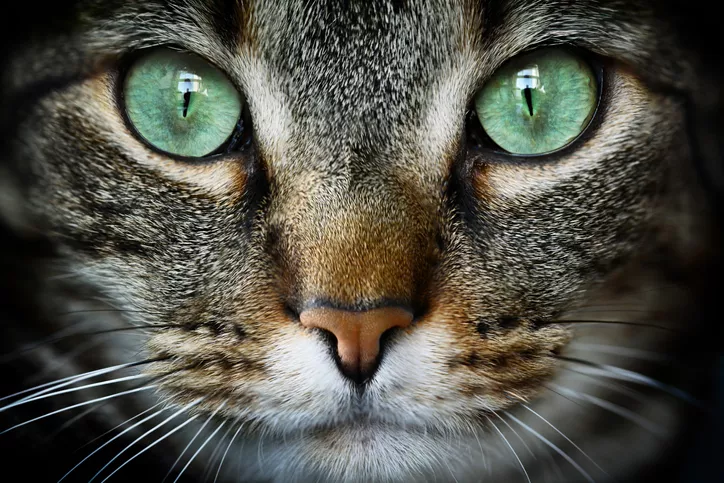
Can Cats See in the Dark?
Cats can see well in the dark but, like humans, they don't have complete night vision. They can see better than humans in low-light situations.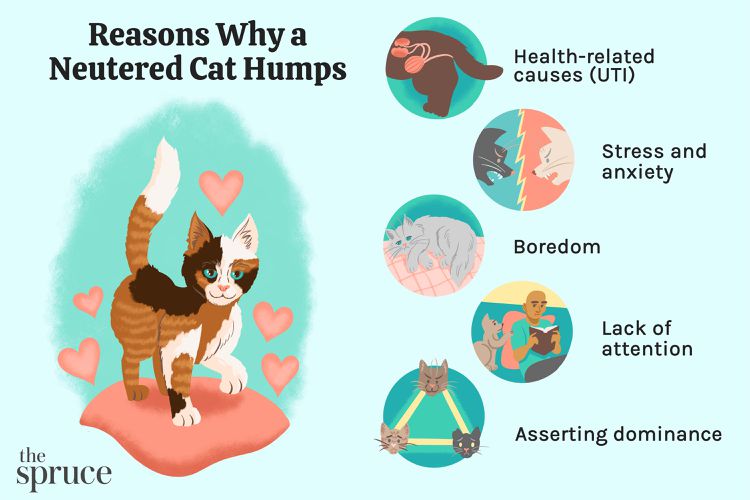
Cat Humping: Why a Neutered Cat Still Mounts
Even if your male cat is neutered, he may continue to mount and hump cats or other objects because of health problems or behavioral issues.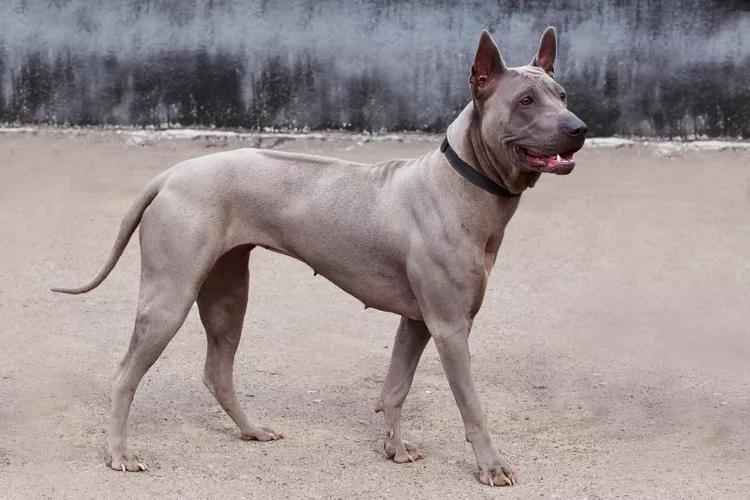
Thai Ridgeback: Dog Breed Characteristics & Care
Learn all about the Thai Ridgeback, a rare breed from Thailand. Find out how to care for the loyal dog and where to buy or adopt one.
Doberman Pinscher (Dobie): Dog Breed Characteristics & Care
Doberman pinschers are intelligent, loyal, and athletic dogs. Find out more about them, including their history, fearless nature, care, and needs.
14 Pointer Dog Breeds
Pointers extend past the English or German shorthaired pointer. Learn more about the history and temperament of 14 popular pointing breeds.
Bernedoodle: Dog Breed Characteristics & Care
The Bernedoodle is a hybrid dog breed created by crossing Bernese mountain dogs with poodles. Learn about their fun-loving personality and common health issues.