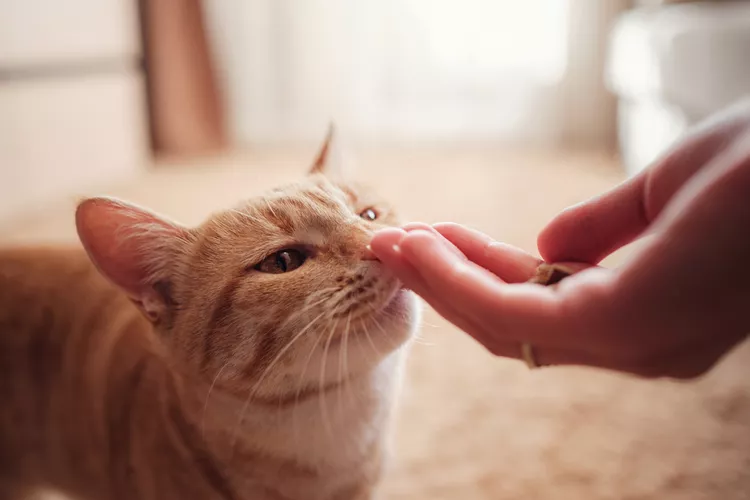
Cheese is a staple food item in most homes. In fact, it’s so commonplace, some pet owners may use it to hide pet medications in. Can cats eats cheese, though?
Cats are obligate carnivores, meaning they need animal protein in order to get all their required nutrients. That doesn't mean they only eat meat, though. In fact, one study showed that domestic cats, have a daily diet consisting of 52 percent protein, 36 percent fat, and only 12 percent coming from carbohydrates. So clearly they eat things besides meat. But does that mean they can and should eat cheese?
Cheese, like all dairy products, contains the milk sugar lactose. When kittens are first born, they have the proper enzymes to digest these sugars as they live off their mother’s milk for the first few months of their life. As they are weaned off of their mother’s milk, their production of lactulose, the enzyme needed to digest lactose begins to wane. In fact, by the time most kittens reach the age of one year, they stop producing it altogether. This means that most adult cats can’t actually digest lactose.
When an adult cat consumes anything with lactose, instead of being digested, the lactose is fermented in the intestines. This can cause both bloating and flatulence. Additionally, water is drawn into the intestines instead of out, causing diarrhea.
It’s important to note that the response of a cat’s gastrointestinal tract to dairy is not the same thing as to an actual food allergen. When a cat ingests a food they are allergic to, the physiological response is immune-mediated. When a cat eats dairy, they don’t get GI upset as a result of a food allergy but because they simply can’t digest it.
Cheese, like all dairy products, contains lactose, although not in as high of concentrations as actual milk. This is because of how cheese is made. Cheese making involves separating the curds, what is used to make cheese, from the whey. The whey actually contains most of the lactose, but some still exists in the curd.
Cow’s milk, whether whole, two percent, one percent, or skim has between nine and 14 grams of lactose. Pasteurized and processed American cheese, however, has just between 0.5 and four grams. So while cats can’t actually digest cheese, they can tolerate it in small amounts, or enough to be able to use cheese to hide medications.
Another thing to keep in mind is that cheese is a very calorie-dense food, and just a small amount can end up meeting your cat's calorie requirement for the entire day! Since pet obesity is a huge problem, don't forget to factor in calories of cheese when considering if you should feed it to your cat or not.
As eating a plant based diet becomes more popular in human culture, there are more and more cheese alternatives available on the market. You may be tempted to try non-dairy cheese for your cat as a way to get around the whole lactose thing, but this might actually be no better.
Some cheeses, whether dairy or non-dairy, may also contain herbs that may be more concerning than just lactose. Things like garlic and onion may be incorporated into some cheese varieties and both of these can be toxic to cats. In addition, non-dairy cheeses may contain more oils and fats than standard dairy cheese would. Fatty foods can lead to weight gain and may also cause GI upset, including pancreatitis.
If your cat manages to eat more than a few nibbles of cheese, don’t fret quite yet. Monitor your cat for GI signs, such as diarrhea and decreased appetite. If you fear they got into too much cheese, contact your local veterinarian or a pet poison hotline, such as the ASPCA Pet Poison Control.
Let them know what kind of cheese your cat got into and a rough estimate of how much you think they ate. They will be able to give better insight about what to watch out for, if veterinary medical attention is required, and what treatment should entail.
So, while some cats can tolerate cheese, they should only consume it in small amounts. Using it as a high value reward for administering medications or even training is usually fine, but it should not be a staple of their diet nor a treat given in high amounts.

Ear Mites in Puppies and Dogs
Ear mites can be a big discomfort for puppies and dogs. Learn about the causes, treatment, and prevention to keep mites away from your pets.
5 Common Foods In Your Pantry That Are Not Safe For Your Pets
One potato chip is not going to hurt your pet, but there are other foods that can. Learn which to avoid and some safe foods that can be used as treats.
Metronidazole for Dogs
Metronidazole is a medication that is frequently given to dogs for bacterial infections and protozoan infestations of the colon. Here's what to expect if your dog is on this antibiotic.
Pulled Muscles in Dogs
A pulled muscle is one of the most common injuries seen in dogs. What can you do if your dog pulls a muscle and how can you prevent it?
Giardia in Dogs
Giardia is a parasite that can affect dogs, humans, and other animals. Learn about Giardia in dogs, including causes, diagnosis, and treatment.
Can Cats Have Raw Eggs?
Eggs are known to be a protein-packed breakfast staple in American homes. Can your cat eat raw eggs? Here's your answer.
What to Know Before You Buy Food and Water Bowls For Your Cat
Get some important information you need to know before buying food and water bowls for your cat or kitten.
Can Cats Eat Salami?
The inspiration for a popular series of memes, the answer to "can cats have salami?" is yes--but only in small amounts.
What Fruits Can Cats Eat?
Can cats eat fruit? Learn which fruits are safe for cats and which should be avoided. Here's how to safely offer fruit to your cat as a treat.
Can Dogs Eat Raw Chicken Feet?
What are the potential health benefits of chicken feet for dogs? What are the risks?
What to Know About Byproducts in Cat Food
Byproducts in cat food are safe and can provide excellent nutrition.
Do Cats Cry When They Are Sad or in Pain?
Cats don't cry the way people do. Your cat can produce tears, but not ones of sadness. Explore the truth behind a cat's emotions and what those tears mean.
Cat Bunting Behavior: What Does It Mean?
Cats rub their heads against prominent objects to leave scent markings as a part of scent communication.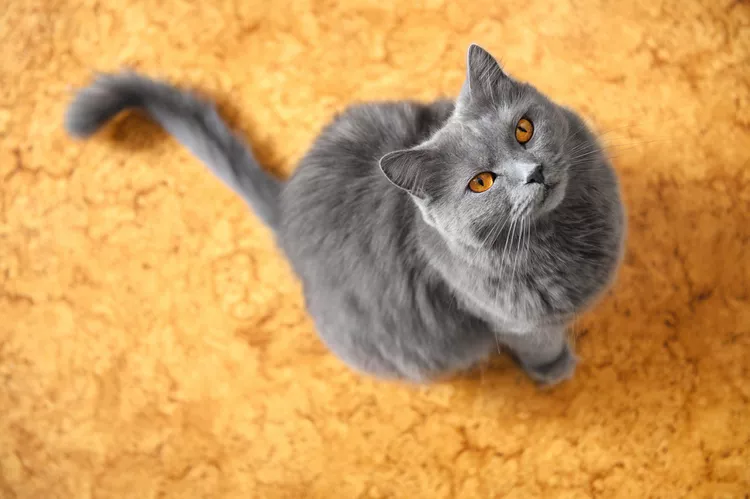
Why Do Cats Wag Their Tails?
Understanding cat tail language can reveal the many reasons cats wag their tails, and there are many.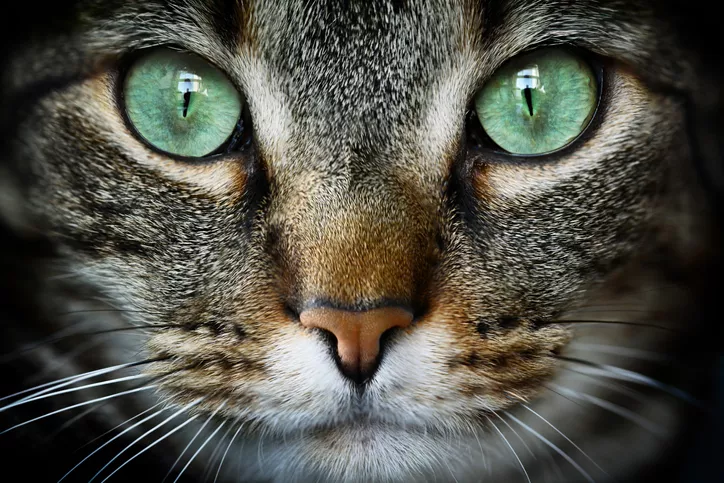
Can Cats See in the Dark?
Cats can see well in the dark but, like humans, they don't have complete night vision. They can see better than humans in low-light situations.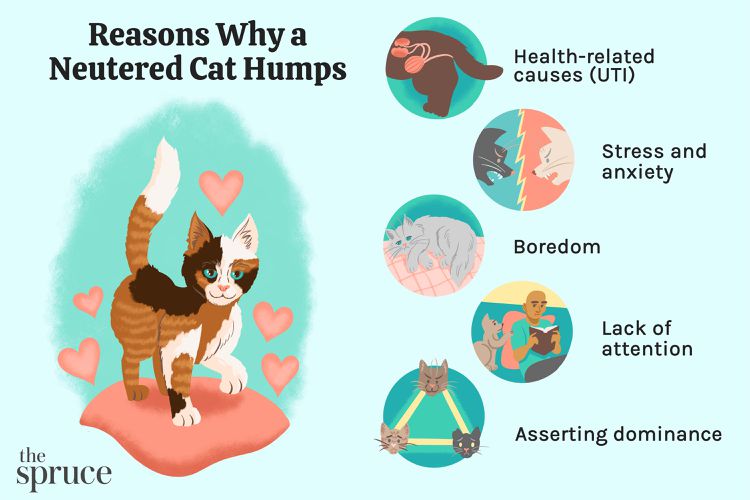
Cat Humping: Why a Neutered Cat Still Mounts
Even if your male cat is neutered, he may continue to mount and hump cats or other objects because of health problems or behavioral issues.
Thai Ridgeback: Dog Breed Characteristics & Care
Learn all about the Thai Ridgeback, a rare breed from Thailand. Find out how to care for the loyal dog and where to buy or adopt one.
Doberman Pinscher (Dobie): Dog Breed Characteristics & Care
Doberman pinschers are intelligent, loyal, and athletic dogs. Find out more about them, including their history, fearless nature, care, and needs.
14 Pointer Dog Breeds
Pointers extend past the English or German shorthaired pointer. Learn more about the history and temperament of 14 popular pointing breeds.
Bernedoodle: Dog Breed Characteristics & Care
The Bernedoodle is a hybrid dog breed created by crossing Bernese mountain dogs with poodles. Learn about their fun-loving personality and common health issues.