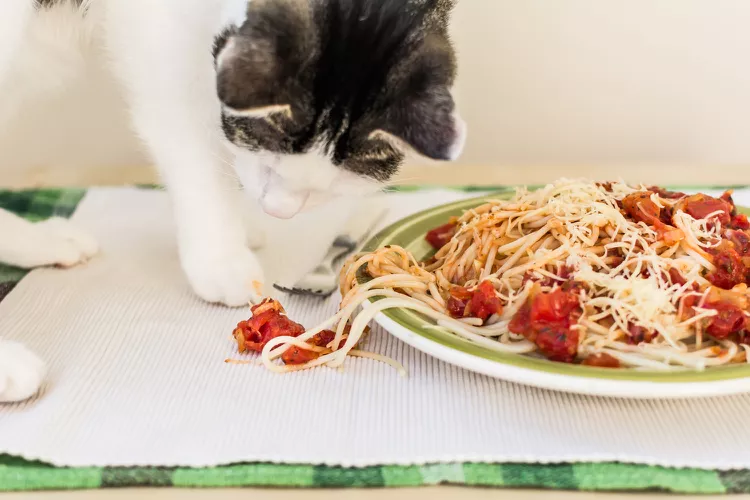
Who doesn’t love a heaping bowl of spaghetti? Quite possibly one of the most popular starchy comfort foods, pasta is a weekly staple for most families. But can your feline also indulge in some penne or linguine with you every now and then?
According to experts—maybe. Pasta is safe for many cats to sample from time to time. However, like most human foods, there are some safety considerations that you should make (and potential dangers to keep in mind) before serving your cat spaghetti.
Like many meals that your pet might take an interest in, it isn’t so much the pasta itself that can be hazardous—it’s how it’s prepared. The basic ingredients of pasta—flour, water, and eggs—are typically okay for cats to eat. The shape of the pasta also doesn’t matter due to it’s soft texture, so whether your preference is rotini or linguine, it should be fine for your cat to sample.
That being said, while the ingredients in pasta shouldn’t cause any major health issues in your cat, they also don’t provide much nutritional value. Cats are carnivores, and therefore should really be getting most of their food nutrition from sources of protein, like fish or chicken. In fact, protein deficiency is a serious condition and can lead to dangerous health problems in cats, which is why if you’re going to offer your kitty human foods, you’ll probably want to supplement their diet with healthier, more nutritious options like salmon, fruits and veggies, or even certain types of cheese.
While grains do find their way into many cat (and dog) foods, these agents only serve to add bulk and bind the food, and don't provide any important nutritional value to our four-legged friends. Pasta is also deficient in the important vitamins and minerals that both felines (and their human counterparts) need on a daily basis.
But while pasta isn’t necessarily “good” for your cat, it certainly won’t harm him or her to have a little bit every once in a while, as long as the pasta is served plain and isn’t coated with either tomato or creamy sauces (which can be either too acidic or creamy and high-fat), butter, or any additional ingredients. Some ingredients that are found in many pasta dishes, such as garlic, onion, or salt can be toxic to both cats and dogs, so you’re definitely not going to want to share a prepared pasta meal from a restaurant. Anything that’s high in salt, sugar, fat, and additives isn’t going to be good for your cat, and that includes pasta and it's toppings.
Another type of pasta to avoid is anything that’s already processed (think Spaghetti-Os), as well as instant noodles, which can be loaded with sodium. Cats can’t tolerate significant amounts of sodium, and so snacking on salty or processed noodles can have serious consequences for your kitty.
Other dangers associated with your cat eating pasta include increasing their risk for obesity and other weight-related issues. Some cats may also have trouble digesting pasta, and it can therefore lead to GI issues like diarrhea. There is also a chance that your cat may be allergic to wheat, in which case they definitely should lay off pasta and any other starchy staples.
Always be sure to check in with your veterinarian before offering pasta or any other human food to your cat, as every kitty will have unique health needs and your vet can advise you as to whether or not it's safe to share your spaghetti. If you get the green light, start with a small bite or two and see how your cat reacts. If they show signs of any digestive issues or other health problems, avoid offering your cat pasta again. If your cat does seem to enjoy the pasta, keep in mind that they should only be offered a very small amount on occasion—it certainly shouldn't become part of their daily diet.
Another thing to keep in mind is that cats should never be offered raw pasta. Their bodies are not equipped to digest raw noodles, and it will likely cause them digestive discomfort if they happen to get their paws on some dried pasta. If your cat is exploring your countertop while you’re making dinner and does accidentally consume some dry pasta, contact your veterinarian for guidance and be on the lookout for any symptoms of stomach distress.
Ear Mites in Puppies and Dogs
Ear mites can be a big discomfort for puppies and dogs. Learn about the causes, treatment, and prevention to keep mites away from your pets.
5 Common Foods In Your Pantry That Are Not Safe For Your Pets
One potato chip is not going to hurt your pet, but there are other foods that can. Learn which to avoid and some safe foods that can be used as treats.
Metronidazole for Dogs
Metronidazole is a medication that is frequently given to dogs for bacterial infections and protozoan infestations of the colon. Here's what to expect if your dog is on this antibiotic.
Pulled Muscles in Dogs
A pulled muscle is one of the most common injuries seen in dogs. What can you do if your dog pulls a muscle and how can you prevent it?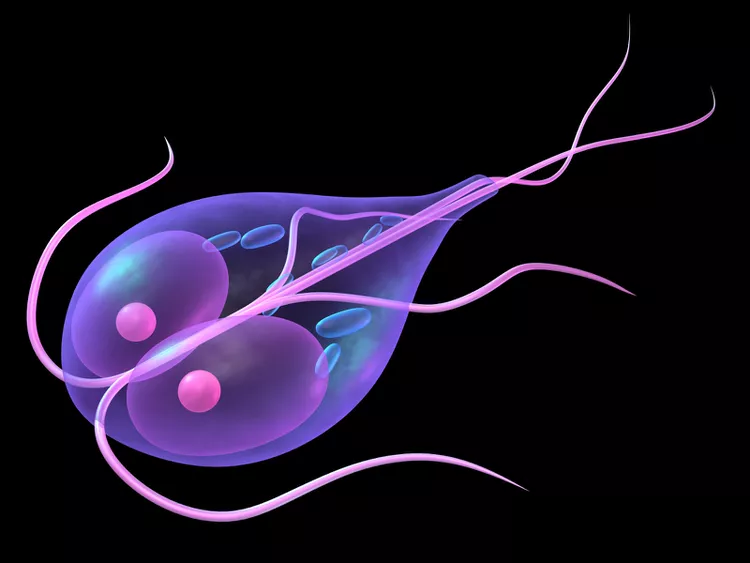
Giardia in Dogs
Giardia is a parasite that can affect dogs, humans, and other animals. Learn about Giardia in dogs, including causes, diagnosis, and treatment.
Can Cats Have Raw Eggs?
Eggs are known to be a protein-packed breakfast staple in American homes. Can your cat eat raw eggs? Here's your answer.
What to Know Before You Buy Food and Water Bowls For Your Cat
Get some important information you need to know before buying food and water bowls for your cat or kitten.
Can Cats Eat Salami?
The inspiration for a popular series of memes, the answer to "can cats have salami?" is yes--but only in small amounts.
What Fruits Can Cats Eat?
Can cats eat fruit? Learn which fruits are safe for cats and which should be avoided. Here's how to safely offer fruit to your cat as a treat.
Can Dogs Eat Raw Chicken Feet?
What are the potential health benefits of chicken feet for dogs? What are the risks?
What to Know About Byproducts in Cat Food
Byproducts in cat food are safe and can provide excellent nutrition.
Do Cats Cry When They Are Sad or in Pain?
Cats don't cry the way people do. Your cat can produce tears, but not ones of sadness. Explore the truth behind a cat's emotions and what those tears mean.
Cat Bunting Behavior: What Does It Mean?
Cats rub their heads against prominent objects to leave scent markings as a part of scent communication.
Why Do Cats Wag Their Tails?
Understanding cat tail language can reveal the many reasons cats wag their tails, and there are many.
Can Cats See in the Dark?
Cats can see well in the dark but, like humans, they don't have complete night vision. They can see better than humans in low-light situations.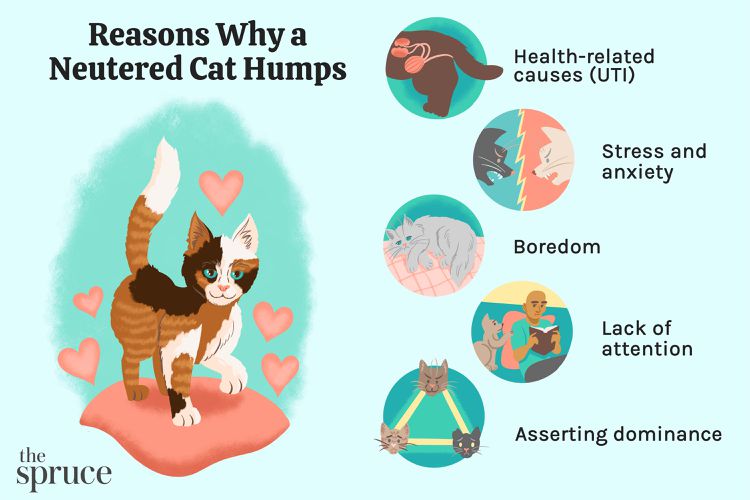
Cat Humping: Why a Neutered Cat Still Mounts
Even if your male cat is neutered, he may continue to mount and hump cats or other objects because of health problems or behavioral issues.
Thai Ridgeback: Dog Breed Characteristics & Care
Learn all about the Thai Ridgeback, a rare breed from Thailand. Find out how to care for the loyal dog and where to buy or adopt one.
Doberman Pinscher (Dobie): Dog Breed Characteristics & Care
Doberman pinschers are intelligent, loyal, and athletic dogs. Find out more about them, including their history, fearless nature, care, and needs.
14 Pointer Dog Breeds
Pointers extend past the English or German shorthaired pointer. Learn more about the history and temperament of 14 popular pointing breeds.
Bernedoodle: Dog Breed Characteristics & Care
The Bernedoodle is a hybrid dog breed created by crossing Bernese mountain dogs with poodles. Learn about their fun-loving personality and common health issues.