If you make it a habit to read the ingredient label before purchasing cat food, there are things to look for and things to avoid. To help point the way to the healthier types of quality cat food, experts and advocates say there are three things to avoid. These are chemical preservatives, meat byproducts, and carbohydrate fillers.
Pioneers such as Ann Martin have raised consumer awareness about the ingredients in commercial pet foods, including cat food. Her book "Foods Pets Die For," originally published in 1997, was very influential. Modern crusader Susan Thixton, founder of the website Truth About Pet Food, has taken on the Food and Drug Administration (FDA) and the pet food industry. The site is run by thousands of veterinarians, scientists, and everyday pet lovers who work together to make pet food safe. Thixton is working with Mollie Morrissette and Jean Hofve to give consumers a voice with the FDA and the Association of American Feed Control Officials (AAFCO).
Chemical preservatives like butylated hydroxytoluene (BHT) and butylated hydroxyanisole (BHA) are very effective at preserving dry cat food but are suspected to be potentially cancer-causing agents. These chemicals are often added to oils and fats. They have been found to cause kidney and liver damage in rats, according to National Center for Biotechnology Information and the National Library of Medicine.
In fact, outside of its purpose as an antioxidant for certain spices, ethoxyquin is illegal to use in human foods in the U.S. and is extremely harmful when directly swallowed or touching the skin. Many pet food manufacturers have moved toward using more "natural" preservatives, such as Vitamin C and E.
The AAFCO defines meat byproducts as the following: "Secondary products produced in addition to the principal product."
Besides not knowing what species of animal the meat comes from, byproducts, as a rule, are considered an inferior form of the protein that cats need. "If we shouldn't eat it, neither should our pets," says Dr. Donna Spector.
There is also meat meal, a mysterious meat byproduct, and concentrate meal. Meat meal and other meals are generally produced by rendering, a process that raises a red flag for cat enthusiasts. Leftovers of meat used in this type of rendering often aren't fit for human consumption. The rendering process alters or destroys natural enzymes and proteins. The meal is a highly-concentrated protein powder that is often low in quality and inferior by nature. Look for higher amounts of named protein sources like chicken and salmon, such as what is in better quality canned cat foods.
Excess of carbohydrate "fillers" is not good for cats. Dry food can contain as much as 50 percent grain. Older cats and cats with diabetes can be fed grain-free food, as long as the carbohydrate content is limited. Wheat gluten can also be problematic as it's a cheaper alternative to muscle meat protein and whole-grain options. Some pet food can contain melamine, which in combination with cyanuric acid, also found in pet foods, can cause kidney stones and kidney failure, according to the World Health Organization.

Ear Mites in Puppies and Dogs
Ear mites can be a big discomfort for puppies and dogs. Learn about the causes, treatment, and prevention to keep mites away from your pets.
5 Common Foods In Your Pantry That Are Not Safe For Your Pets
One potato chip is not going to hurt your pet, but there are other foods that can. Learn which to avoid and some safe foods that can be used as treats.
Metronidazole for Dogs
Metronidazole is a medication that is frequently given to dogs for bacterial infections and protozoan infestations of the colon. Here's what to expect if your dog is on this antibiotic.
Pulled Muscles in Dogs
A pulled muscle is one of the most common injuries seen in dogs. What can you do if your dog pulls a muscle and how can you prevent it?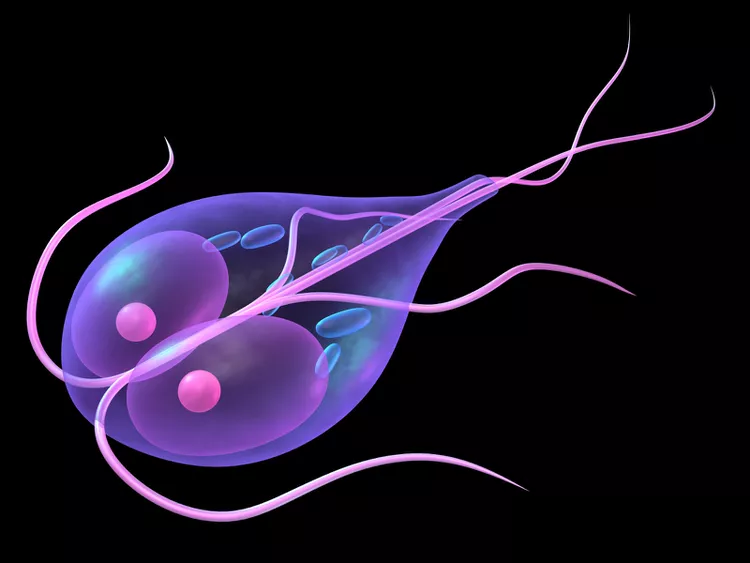
Giardia in Dogs
Giardia is a parasite that can affect dogs, humans, and other animals. Learn about Giardia in dogs, including causes, diagnosis, and treatment.
Can Cats Have Raw Eggs?
Eggs are known to be a protein-packed breakfast staple in American homes. Can your cat eat raw eggs? Here's your answer.
What to Know Before You Buy Food and Water Bowls For Your Cat
Get some important information you need to know before buying food and water bowls for your cat or kitten.
Can Cats Eat Salami?
The inspiration for a popular series of memes, the answer to "can cats have salami?" is yes--but only in small amounts.
What Fruits Can Cats Eat?
Can cats eat fruit? Learn which fruits are safe for cats and which should be avoided. Here's how to safely offer fruit to your cat as a treat.
Can Dogs Eat Raw Chicken Feet?
What are the potential health benefits of chicken feet for dogs? What are the risks?
What to Know About Byproducts in Cat Food
Byproducts in cat food are safe and can provide excellent nutrition.
Do Cats Cry When They Are Sad or in Pain?
Cats don't cry the way people do. Your cat can produce tears, but not ones of sadness. Explore the truth behind a cat's emotions and what those tears mean.
Cat Bunting Behavior: What Does It Mean?
Cats rub their heads against prominent objects to leave scent markings as a part of scent communication.
Why Do Cats Wag Their Tails?
Understanding cat tail language can reveal the many reasons cats wag their tails, and there are many.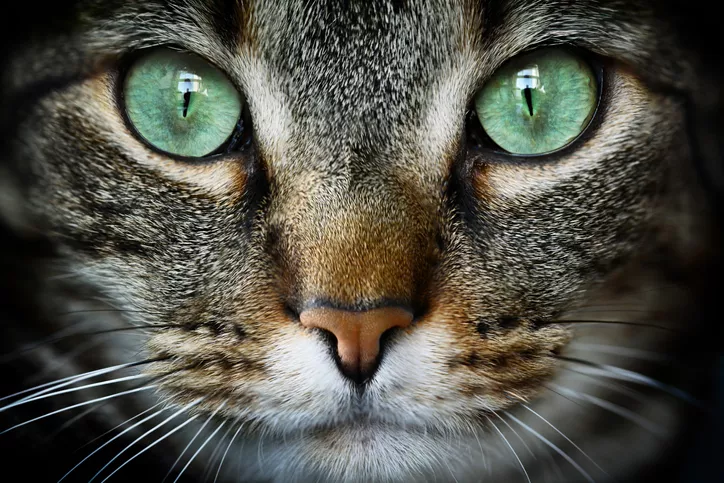
Can Cats See in the Dark?
Cats can see well in the dark but, like humans, they don't have complete night vision. They can see better than humans in low-light situations.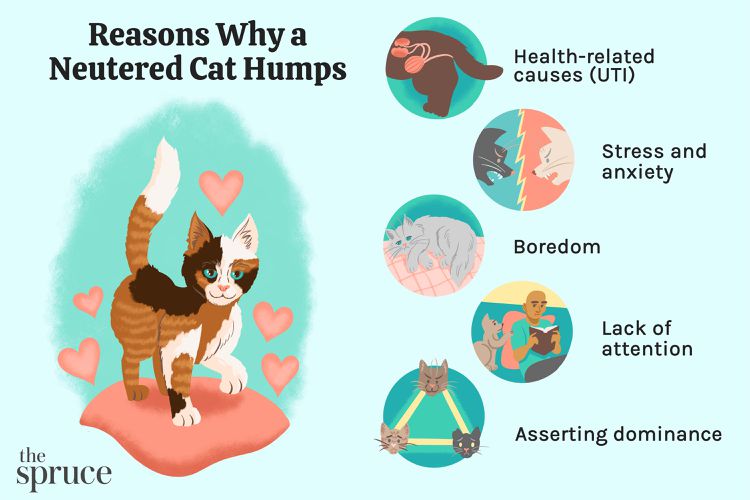
Cat Humping: Why a Neutered Cat Still Mounts
Even if your male cat is neutered, he may continue to mount and hump cats or other objects because of health problems or behavioral issues.
Thai Ridgeback: Dog Breed Characteristics & Care
Learn all about the Thai Ridgeback, a rare breed from Thailand. Find out how to care for the loyal dog and where to buy or adopt one.
Doberman Pinscher (Dobie): Dog Breed Characteristics & Care
Doberman pinschers are intelligent, loyal, and athletic dogs. Find out more about them, including their history, fearless nature, care, and needs.
14 Pointer Dog Breeds
Pointers extend past the English or German shorthaired pointer. Learn more about the history and temperament of 14 popular pointing breeds.
Bernedoodle: Dog Breed Characteristics & Care
The Bernedoodle is a hybrid dog breed created by crossing Bernese mountain dogs with poodles. Learn about their fun-loving personality and common health issues.