Most cat experts recommend premium brands of cat food that avoid ingredients like meat byproducts and chicken meal. However, feral cats eat a whole rodent or whole bird. Sometimes they leave things like feathers or the head behind, but otherwise, the cat is consuming the whole body of an animal. It seems like the cheaper brands, as long as they don't contain excessive carbohydrate fillers, would be closer to a natural diet than the premium brands. Why isn't this the case?
Meat byproducts can include clean and nutrient-rich organ meats such as lungs, spleen, liver, kidneys, stomach, and intestines that are cleaned of their contents. They are not allowed to contain hide, hooves, horn, or teeth. Meat meal is further cooked (rendered) to kill any bacterial contaminants and then dried.
While it's true that cats in the wild eat the whole bodies of their catch (including the heads in some cases), the term "meat byproducts" has become a dirty word to many cat experts, because of its misuse by some members of the cat food industry. As a result, experts have traditionally counseled readers to avoid all byproducts for this reason.
The founders of the Feline Future website analyzed the ingredients and nutritional properties of foods cats eat in the wild over a period of a decade or more, and the result was their "recipe" for the Feline Future raw food diet for cats—one which has set the standards for raw feeding to this day. Actually, they do use a larger proportion of meat to internal organs. In addition, chicken hearts and livers (which are excellent sources of taurine) are added in limited quantities, because of the dangers of "overdosing" with vitamin A.
In a nutshell, a named byproduct (such as "chicken byproduct meal") may possibly be acceptable, but it should not be listed as the first ingredient in cat food. Unfortunately, there is no way to know the exact proportion, by weight, of any individual ingredient. Although the label may list protein as 30 percent of the product's weight, that protein will include meat, byproducts, eggs, certain grains, and other forms of protein in the can or bag of cat food. As a result, it's better to see the named byproducts relatively far down on the label.
Many cheaper brands of dry cat food contain large amounts of carbohydrate fillers. This is usually in the form of corn, which may be difficult for cats to digest, and some cats have food allergies to corn.
However, many premium brands of dry food also contain large amounts of carbohydrate fillers. In the manufacturing process of extrusion (which is a heat-based process), it is necessary to have these dry ingredients in order to shape the dry food nuggets effectively. Some brands of dry food do not use grain fillers, although some of these foods are not carbohydrate-free.
The most important part of the label on any pet food is the nutritional adequacy statement. Look for the statement that it is "complete and balanced," which means that it has all of the nutrients your cat needs and they are present in the correct ratios. If you see "complete and balanced," the product will not have an excess of carbohydrates.

Ear Mites in Puppies and Dogs
Ear mites can be a big discomfort for puppies and dogs. Learn about the causes, treatment, and prevention to keep mites away from your pets.
5 Common Foods In Your Pantry That Are Not Safe For Your Pets
One potato chip is not going to hurt your pet, but there are other foods that can. Learn which to avoid and some safe foods that can be used as treats.
Metronidazole for Dogs
Metronidazole is a medication that is frequently given to dogs for bacterial infections and protozoan infestations of the colon. Here's what to expect if your dog is on this antibiotic.
Pulled Muscles in Dogs
A pulled muscle is one of the most common injuries seen in dogs. What can you do if your dog pulls a muscle and how can you prevent it?
Giardia in Dogs
Giardia is a parasite that can affect dogs, humans, and other animals. Learn about Giardia in dogs, including causes, diagnosis, and treatment.
Can Cats Have Raw Eggs?
Eggs are known to be a protein-packed breakfast staple in American homes. Can your cat eat raw eggs? Here's your answer.
What to Know Before You Buy Food and Water Bowls For Your Cat
Get some important information you need to know before buying food and water bowls for your cat or kitten.
Can Cats Eat Salami?
The inspiration for a popular series of memes, the answer to "can cats have salami?" is yes--but only in small amounts.
What Fruits Can Cats Eat?
Can cats eat fruit? Learn which fruits are safe for cats and which should be avoided. Here's how to safely offer fruit to your cat as a treat.
Can Dogs Eat Raw Chicken Feet?
What are the potential health benefits of chicken feet for dogs? What are the risks?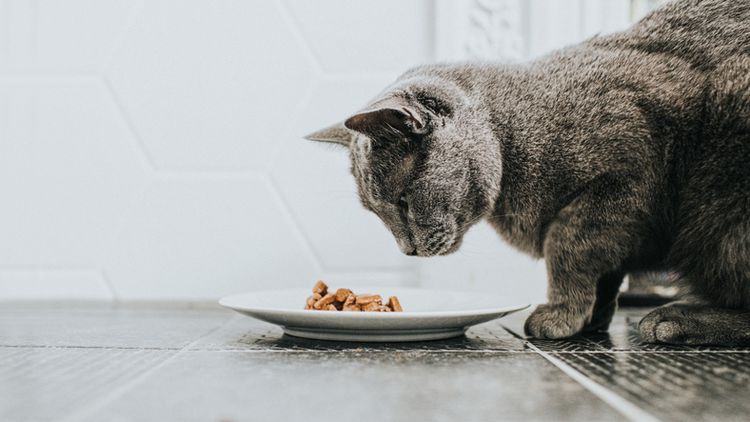
What to Know About Byproducts in Cat Food
Byproducts in cat food are safe and can provide excellent nutrition.
Do Cats Cry When They Are Sad or in Pain?
Cats don't cry the way people do. Your cat can produce tears, but not ones of sadness. Explore the truth behind a cat's emotions and what those tears mean.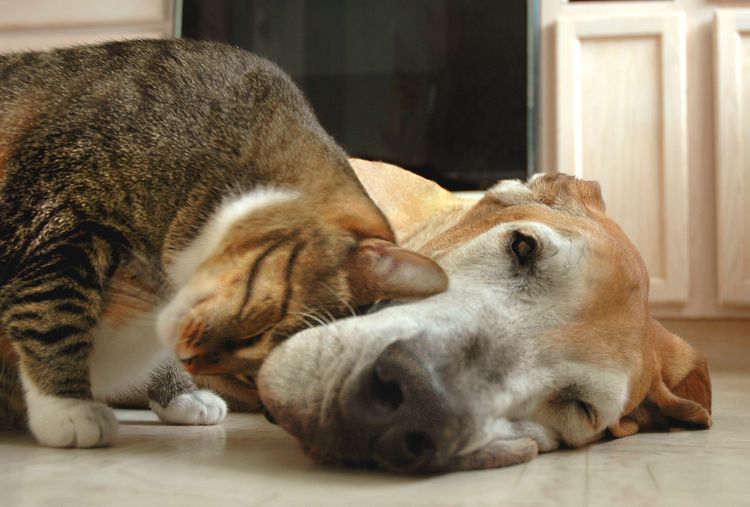
Cat Bunting Behavior: What Does It Mean?
Cats rub their heads against prominent objects to leave scent markings as a part of scent communication.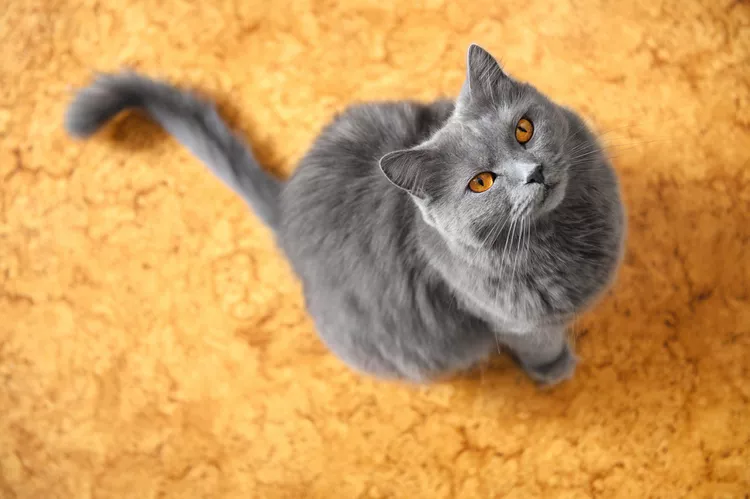
Why Do Cats Wag Their Tails?
Understanding cat tail language can reveal the many reasons cats wag their tails, and there are many.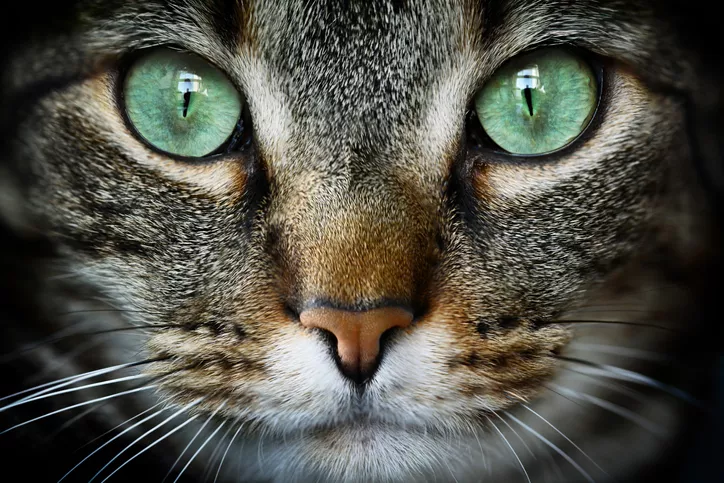
Can Cats See in the Dark?
Cats can see well in the dark but, like humans, they don't have complete night vision. They can see better than humans in low-light situations.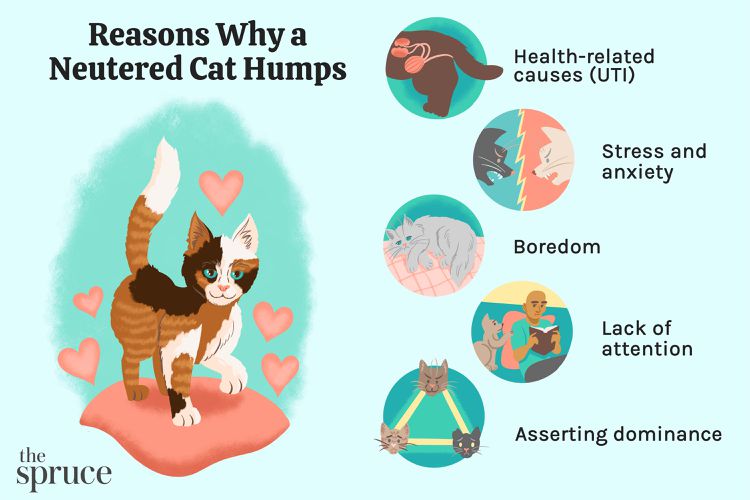
Cat Humping: Why a Neutered Cat Still Mounts
Even if your male cat is neutered, he may continue to mount and hump cats or other objects because of health problems or behavioral issues.
Thai Ridgeback: Dog Breed Characteristics & Care
Learn all about the Thai Ridgeback, a rare breed from Thailand. Find out how to care for the loyal dog and where to buy or adopt one.
Doberman Pinscher (Dobie): Dog Breed Characteristics & Care
Doberman pinschers are intelligent, loyal, and athletic dogs. Find out more about them, including their history, fearless nature, care, and needs.
14 Pointer Dog Breeds
Pointers extend past the English or German shorthaired pointer. Learn more about the history and temperament of 14 popular pointing breeds.
Bernedoodle: Dog Breed Characteristics & Care
The Bernedoodle is a hybrid dog breed created by crossing Bernese mountain dogs with poodles. Learn about their fun-loving personality and common health issues.