
The American Staffordshire terrier is a medium-to-large, muscular dog breed with a square head and short, stiff fur that was developed in the United States.
Also called the Am Staff, this type of pit bull breed is known for its courage and power, but it also generally has an affectionate and loyal disposition. And, contrary to its tough appearance and ancestor, it is a gentle dog breed.
Group: Terrier
Height: 17 to 18 inches (female), 18 to 19 inches (male)
Weight: 40 to 55 pounds (female), 55 to 70 pounds (male)
Coat: Short, stiff fur
Coat Color: Variety of colors, including black, brown, blue, fawn, red, and liver; brindle and/or white markings also possible
Life Span: 12 to 16 years
Temperament: Courageous, affectionate, protective
Hypoallergenic: No
Origin: United States
Most Am Staffs have a confident and friendly temperament. They typically don’t bark excessively, and they strike a good balance between being high-energy dogs and couch potatoes. However, they do have a protective side to their personality that must be managed with training and socialization.
The American Staffordshire terrier's roots can be traced back to the 18th and 19th centuries in England. The bulldogs and terriers of the time were commonly used in inhumane blood sports. And they were bred for desirable traits, including their muscular build, energy, stamina, confidence, and agility.
A mix of these dogs went into creating the British Staffordshire bull terrier. While this breed still was used in blood sports, it also was kept as a companion and used on farms and for other work. Eventually, those dogs arrived in the United States in the mid-1800s.
U.S. breeders created a larger Staffordshire terrier that ultimately became a distinct breed from the Staffordshire bull terrier, bearing the name American Staffordshire terrier. They also bred it to have a calmer and friendlier temperament than its ancestors. Since their arrival on the scene, Am Staffs have had a prominent place in American culture, including in film and TV and the armed forces. The American Kennel Club recognized the breed in 1936.
In general, the American Staffordshire terrier can become a loving and loyal companion for many types of households. With proper training and socialization, it can even coexist well with children and other household pets. And its exercise and grooming requirements typically aren't excessive.
Am Staffs have a moderate energy level. They should get between one to two hours of exercise per day, including walks, jogs, fetch, and other active play. Puzzle toys also can help to challenge them mentally, and dog sports will provide both mental and physical stimulation. However, be cautious not to overdo activity in hot weather, as this breed can be sensitive to heat.
The short, stiff coat of the Am Staff is easy to maintain. Use a soft-bristle brush on it weekly to remove any loose fur and debris and to distribute oils. You can expect heavier shedding in the spring and fall as the weather changes, which will likely necessitate brushing two to three times per week to help capture all the loose fur.
Give your dog a bath roughly every couple of months or more often if it gets dirty. And trim its nails roughly every month. Also, aim to brush its teeth daily.
As with any dog breed, proper training is a must. Because there are misconceptions about pit bull-type dogs being labeled as dangerous, it's ideal for anyone who owns an Am Staff to be a positive ambassador for the breed with a well-mannered dog.
Am Staffs are a fairly smart breed, but they can be stubborn. Combine that with their exuberance and power, and training isn't always easy. So it's important to be consistent with your training and to start from puppyhood. Am Staff puppies should ideally go to puppy classes where they learn basic obedience and socialization. Consistent and positive reinforcement also can help both puppies and adults in training.
This breed is generally healthy throughout its life. But some hereditary health problems can occur in the American Staffordshire terrier, including:
Offer your dog a quality, nutritionally balanced diet. Most owners feed two meals per day. But discuss the amount and types of food with your vet, as this can vary depending on such factors as age and activity level. Always monitor your dog's weight, and factor treats into their total daily food consumption. Also, make sure your dog always has access to clean water.
Check your local animal shelters and rescue groups for American Staffordshire terriers in need of homes. Expect to pay around $2,000 on average for a breeder puppy, but this can vary widely depending on bloodline and other factors. Shelters and rescues typically charge much less for puppies and adults. Make sure you're able to keep an Am Staff where you live, as some areas have breed restrictions.
A number of nationwide groups for Am Staffs provide online resources to find a dog, including:
Good-natured, playful, and sociable
Intensely loyal
Good watchdog
Requires early and consistent socialization
Can be overly protective
Stubborn nature can complicate training
Before you decide whether the American Staffordshire terrier is the right dog for you, be sure to do plenty of research. Talk to other Am Staff owners, reputable breeders, and rescue groups to learn more.
If you’re interested in similar breeds, check out:
There’s a whole world of potential dog breeds out there—with a little research, you can find the right one to bring home!
There is no technical breed called a pit bull. There is, however, a breed called the American pit bull terrier. Generally speaking, the American Staffordshire terrier is nearly the same as the American pit bull terrier. The main difference is Am Staffs conform to a narrower size range, per the AKC standard, and American pit bull terriers have greater variances in size and other physical traits.
Properly trained and socialized Am Staffs can be good for families with children. However, their exuberance and strength might be too much around young children unless they are very well-mannered.
American Staffordshire terriers are generally good-natured dogs. Like any dog, they need proper training and socialization to help ward off aggression. They don't always get along well with other dogs, especially if they haven't been properly socialized.
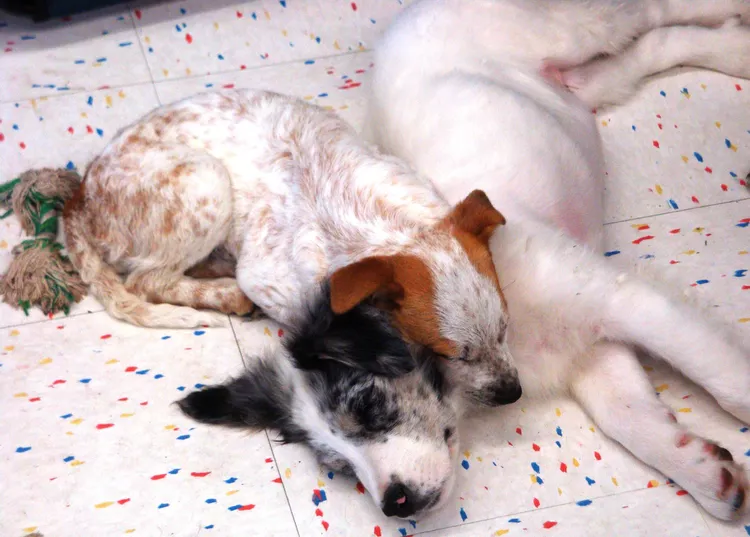
Ear Mites in Puppies and Dogs
Ear mites can be a big discomfort for puppies and dogs. Learn about the causes, treatment, and prevention to keep mites away from your pets.
5 Common Foods In Your Pantry That Are Not Safe For Your Pets
One potato chip is not going to hurt your pet, but there are other foods that can. Learn which to avoid and some safe foods that can be used as treats.
Metronidazole for Dogs
Metronidazole is a medication that is frequently given to dogs for bacterial infections and protozoan infestations of the colon. Here's what to expect if your dog is on this antibiotic.
Pulled Muscles in Dogs
A pulled muscle is one of the most common injuries seen in dogs. What can you do if your dog pulls a muscle and how can you prevent it?
Giardia in Dogs
Giardia is a parasite that can affect dogs, humans, and other animals. Learn about Giardia in dogs, including causes, diagnosis, and treatment.
Can Cats Have Raw Eggs?
Eggs are known to be a protein-packed breakfast staple in American homes. Can your cat eat raw eggs? Here's your answer.
What to Know Before You Buy Food and Water Bowls For Your Cat
Get some important information you need to know before buying food and water bowls for your cat or kitten.
Can Cats Eat Salami?
The inspiration for a popular series of memes, the answer to "can cats have salami?" is yes--but only in small amounts.
What Fruits Can Cats Eat?
Can cats eat fruit? Learn which fruits are safe for cats and which should be avoided. Here's how to safely offer fruit to your cat as a treat.
Can Dogs Eat Raw Chicken Feet?
What are the potential health benefits of chicken feet for dogs? What are the risks?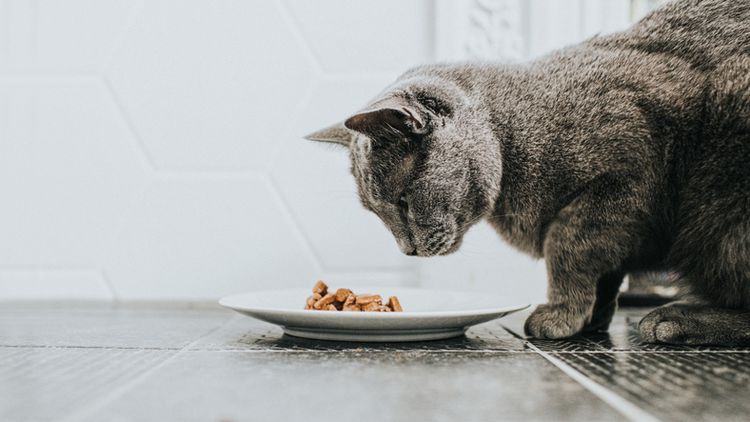
What to Know About Byproducts in Cat Food
Byproducts in cat food are safe and can provide excellent nutrition.
Do Cats Cry When They Are Sad or in Pain?
Cats don't cry the way people do. Your cat can produce tears, but not ones of sadness. Explore the truth behind a cat's emotions and what those tears mean.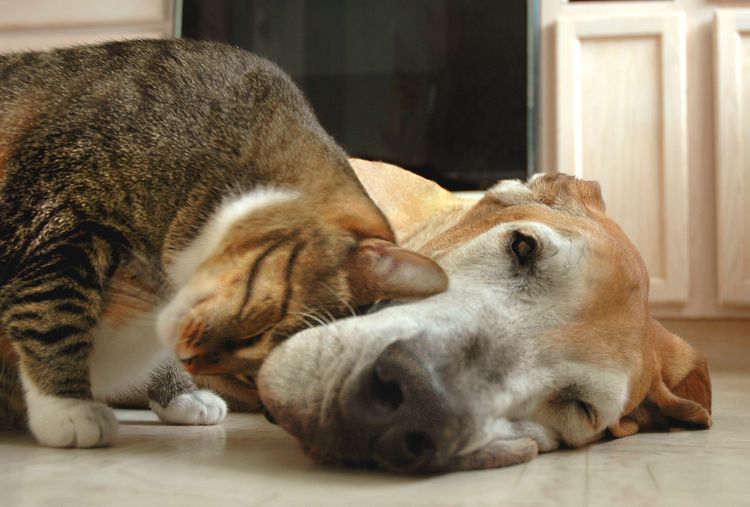
Cat Bunting Behavior: What Does It Mean?
Cats rub their heads against prominent objects to leave scent markings as a part of scent communication.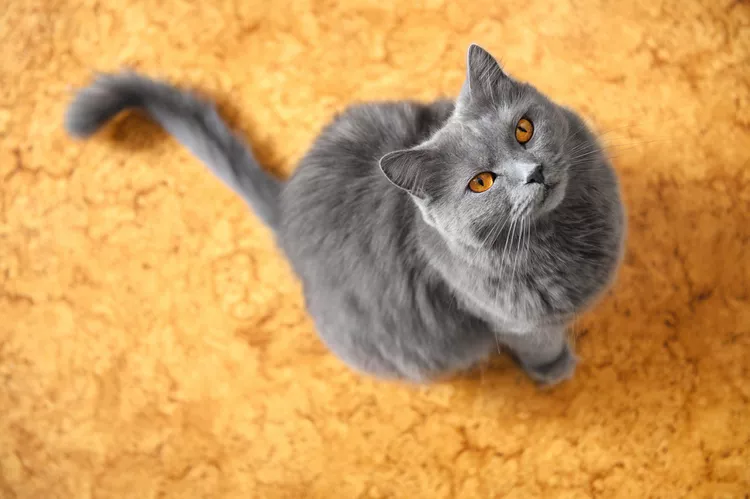
Why Do Cats Wag Their Tails?
Understanding cat tail language can reveal the many reasons cats wag their tails, and there are many.
Can Cats See in the Dark?
Cats can see well in the dark but, like humans, they don't have complete night vision. They can see better than humans in low-light situations.
Cat Humping: Why a Neutered Cat Still Mounts
Even if your male cat is neutered, he may continue to mount and hump cats or other objects because of health problems or behavioral issues.
Thai Ridgeback: Dog Breed Characteristics & Care
Learn all about the Thai Ridgeback, a rare breed from Thailand. Find out how to care for the loyal dog and where to buy or adopt one.
Doberman Pinscher (Dobie): Dog Breed Characteristics & Care
Doberman pinschers are intelligent, loyal, and athletic dogs. Find out more about them, including their history, fearless nature, care, and needs.
14 Pointer Dog Breeds
Pointers extend past the English or German shorthaired pointer. Learn more about the history and temperament of 14 popular pointing breeds.
Bernedoodle: Dog Breed Characteristics & Care
The Bernedoodle is a hybrid dog breed created by crossing Bernese mountain dogs with poodles. Learn about their fun-loving personality and common health issues.