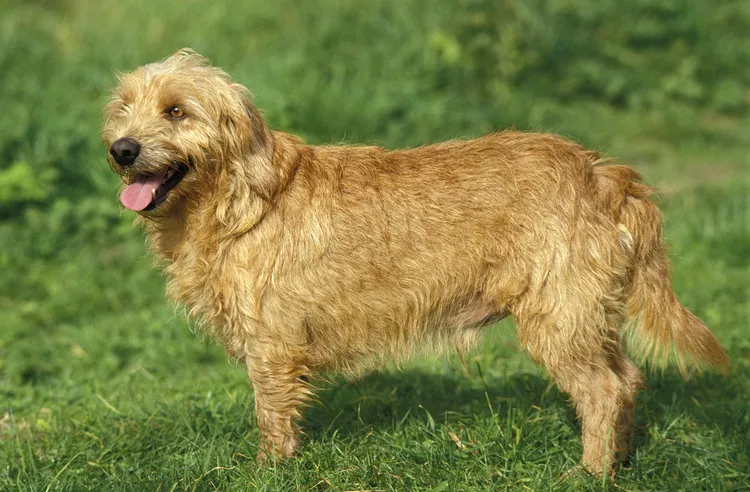
The Basset Fauve de Bretagne, also known as a Brittany Basset, is a small to medium-sized hunting dog. As their official French name may allude, this breed originated in France where they were developed to chase down small game, like rabbits. The Basset Fauve de Bretagne is a smart and alert dog that can make as good of a family dog as a hunter.
Learn about the characteristics, history, and care needs of the Basset Fauve de Bretagne.
Group: Hound
Height: 12.5-15.5 inches
Weight: 23-39 lbs
Coat: Coarse and wiry
Coat Colors: Fawn, wheaten or red wheaten
Life Span: 13-16 years
Temperament: Smart, determined, happy
Hypoallergenic: No
Origin Country: France
It may not look like it at just over a foot high at the shoulders, but this little French dog is fast and courageous. The Basset Fauve de Bretagne is loved for their small stature and hardiness, two traits that are desirable in hunting dogs of any size. They have wiry, low-maintenance fur, are good with kids and other pets, and are a fairly healthy breed.
Originating from the Brittany region of France, the name Basset Fauve de Bretagne means "low set wild animal of Brittany." While this breed is far from being a wild animal, they are high in energy, intelligent, determined, and hardy hunters.
Their short legs are classic of other basset breeds, a characteristic that was purposefully bred by the peasants of France in the late 1700s and early 1800s. Peasants did not have horses to hunt, so there was no need for dogs with long legs. The Basset Fauve de Bretagne's short legs were preferred for closer-range hunting. Over the years, the breed became one of the favorite hunting dogs for Frenchmen, and they eventually found their way over to the United States and other countries.
Caring for any dog is a responsibility that shouldn't be taken lightly. Mental and physical exercise, training, grooming, and providing for basic needs are things all dogs require—but some require more care than others. The Basset Fauve de Bretagne doesn't need much more than the basics, but a little extra time training and exercising this hound breed is ideal.
Don't let their short legs fool you, the Basset Fauve de Bretagne is full of energy and needs exercise. This is an active breed that was designed to chase down fast rabbits, so they'll need room to run and play. Agility and rally are great dog sports for them to pursue but at minimum, daily walks and the opportunity to safely roam and explore are needed to help keep the Basset Fauve de Bretagne mentally and physically healthy.
This breed has a low-maintenance coarse and wiry coat. The texture of the coat helps to resist matting and dirt, but an occasional bath and regular brushing are still needed. They do not require hair cuts, but nail trims and teeth brushing are needed.
The Basset Fauve de Bretagne needs exercise but also needs training to keep their minds healthy. This is a very smart breed so they may get into mischief if they aren't given proper mental stimulation through activities, games, training games, and toys. Training sessions to practice and make them think should be continued even after puppyhood but when they are young, these sessions are of utmost importance to harness their strong wills.
The Basset Fauve de Bretagne is typically a healthy breed but in addition to common health problems that can affect any dog, there are some things to be aware of. Responsible breeders should screen their dogs for genetic diseases to avoid passing along these issues to future litters. Always ask your breeder for health information and genetic testing results.
Like all dogs, the Basset Fauve de Bretagne should eat a nutritionally complete diet formulated for dogs by veterinary nutritionists to thrive. This may be a store-bought kibble or a specially crafted diet. When feeding, measure out the appropriate amount of food based on your dog's weight, age, activity, and caloric content to prevent obesity and other health issues. If you aren't sure what or how much to feed, ask your veterinarian for recommendations.
While not the most common hound breed, the Basset Fauve de Bretagne can be found outside France from reputable breeders. These breeders should genetically screen their breeding stock to help prevent certain health problems and offer potential buyers an opportunity to see the parents and where they are housed.
Meeting breeders at dog shows and utilizing the AKC Marketplace resources are good ways to find available puppies. Expect to pay a few thousand dollars for a healthy puppy from a breeder. Some rescue groups focus on the Basset Fauve de Bretagne, but they are not commonly seen in shelters.
The Basset Fauve de Bretagne is a friendly, energetic dog that is good for active families and individuals who hunt. They require a lot of physical and mental stimulation, and they can be hard to find in the United States.
If you’re interested in breeds that are similar to the Basset Fauve de Bretagne, check out these other breeds:
If you are committed to giving them the proper exercise and mental stimulation, these dogs can thrive in an apartment setting. However, they are hounds who like to bark, so plan to spend time training them not to bark at every noise to avoid complaints from neighbors.
Yes! Basset Fauve de Bretagnes are great with kids and other dogs, which makes them good family dogs. They are friendly and love to play. They do need an active family who is committed to giving them the mental and physical exercise they need.
Originating from France, this breed was bred to hunt rabbits. This means they'll naturally bark at and chase any small prey, so having a pet rabbit or other small animal in the same home as a Basset Fauve de Bretagne isn't ideal.
Ear Mites in Puppies and Dogs
Ear mites can be a big discomfort for puppies and dogs. Learn about the causes, treatment, and prevention to keep mites away from your pets.
5 Common Foods In Your Pantry That Are Not Safe For Your Pets
One potato chip is not going to hurt your pet, but there are other foods that can. Learn which to avoid and some safe foods that can be used as treats.
Metronidazole for Dogs
Metronidazole is a medication that is frequently given to dogs for bacterial infections and protozoan infestations of the colon. Here's what to expect if your dog is on this antibiotic.
Pulled Muscles in Dogs
A pulled muscle is one of the most common injuries seen in dogs. What can you do if your dog pulls a muscle and how can you prevent it?
Giardia in Dogs
Giardia is a parasite that can affect dogs, humans, and other animals. Learn about Giardia in dogs, including causes, diagnosis, and treatment.
Can Cats Have Raw Eggs?
Eggs are known to be a protein-packed breakfast staple in American homes. Can your cat eat raw eggs? Here's your answer.
What to Know Before You Buy Food and Water Bowls For Your Cat
Get some important information you need to know before buying food and water bowls for your cat or kitten.
Can Cats Eat Salami?
The inspiration for a popular series of memes, the answer to "can cats have salami?" is yes--but only in small amounts.
What Fruits Can Cats Eat?
Can cats eat fruit? Learn which fruits are safe for cats and which should be avoided. Here's how to safely offer fruit to your cat as a treat.
Can Dogs Eat Raw Chicken Feet?
What are the potential health benefits of chicken feet for dogs? What are the risks?
What to Know About Byproducts in Cat Food
Byproducts in cat food are safe and can provide excellent nutrition.
Do Cats Cry When They Are Sad or in Pain?
Cats don't cry the way people do. Your cat can produce tears, but not ones of sadness. Explore the truth behind a cat's emotions and what those tears mean.
Cat Bunting Behavior: What Does It Mean?
Cats rub their heads against prominent objects to leave scent markings as a part of scent communication.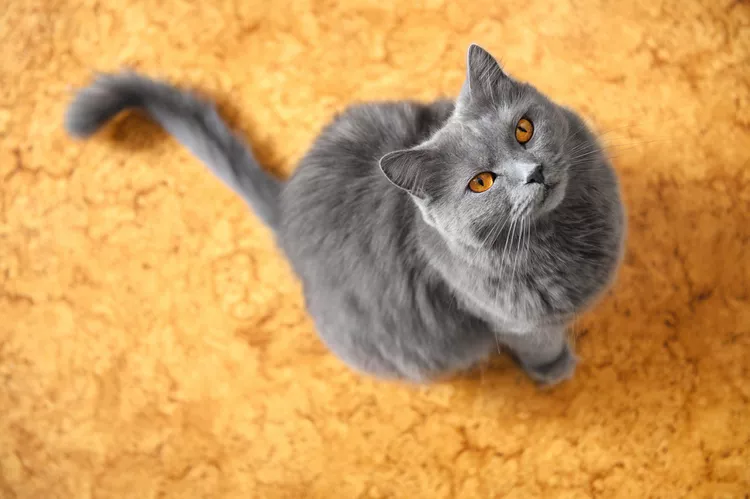
Why Do Cats Wag Their Tails?
Understanding cat tail language can reveal the many reasons cats wag their tails, and there are many.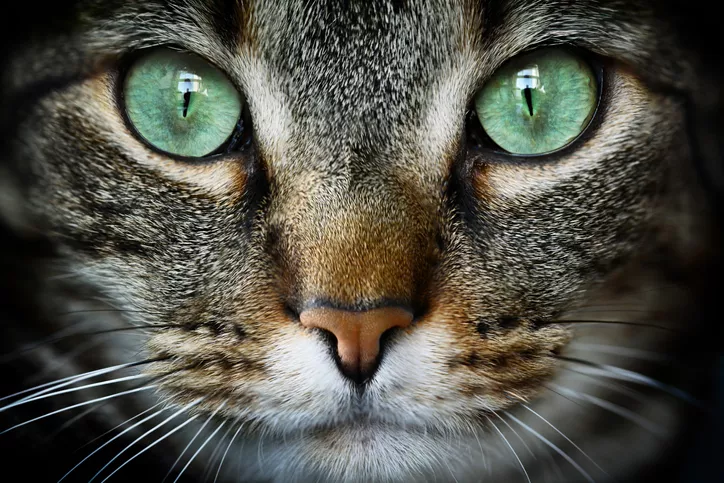
Can Cats See in the Dark?
Cats can see well in the dark but, like humans, they don't have complete night vision. They can see better than humans in low-light situations.
Cat Humping: Why a Neutered Cat Still Mounts
Even if your male cat is neutered, he may continue to mount and hump cats or other objects because of health problems or behavioral issues.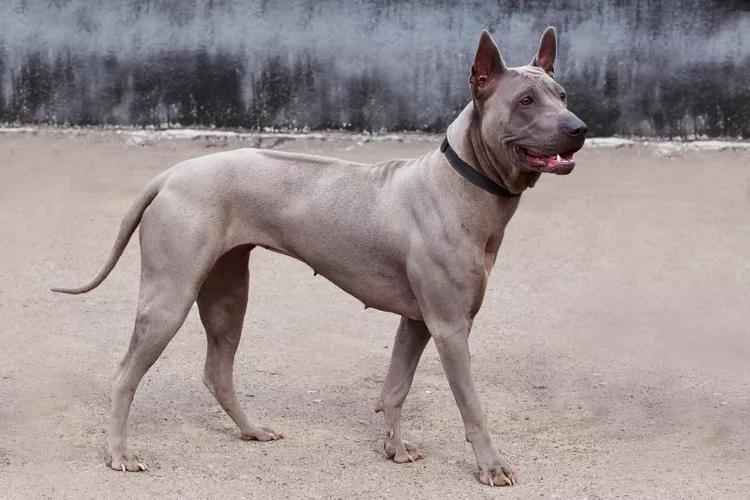
Thai Ridgeback: Dog Breed Characteristics & Care
Learn all about the Thai Ridgeback, a rare breed from Thailand. Find out how to care for the loyal dog and where to buy or adopt one.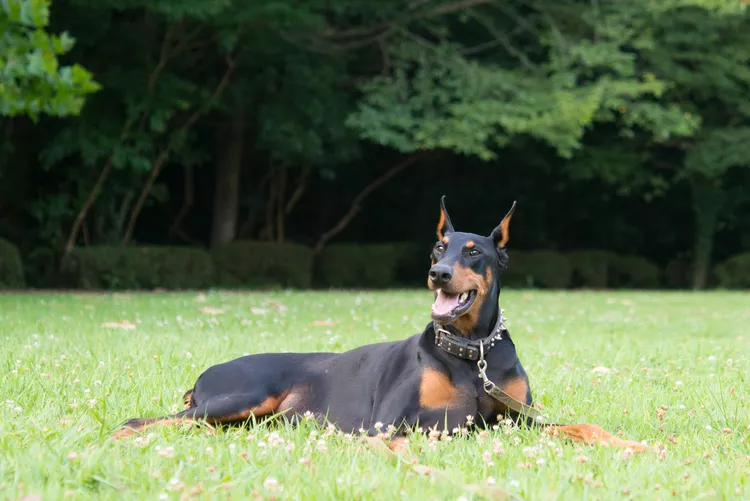
Doberman Pinscher (Dobie): Dog Breed Characteristics & Care
Doberman pinschers are intelligent, loyal, and athletic dogs. Find out more about them, including their history, fearless nature, care, and needs.
14 Pointer Dog Breeds
Pointers extend past the English or German shorthaired pointer. Learn more about the history and temperament of 14 popular pointing breeds.
Bernedoodle: Dog Breed Characteristics & Care
The Bernedoodle is a hybrid dog breed created by crossing Bernese mountain dogs with poodles. Learn about their fun-loving personality and common health issues.