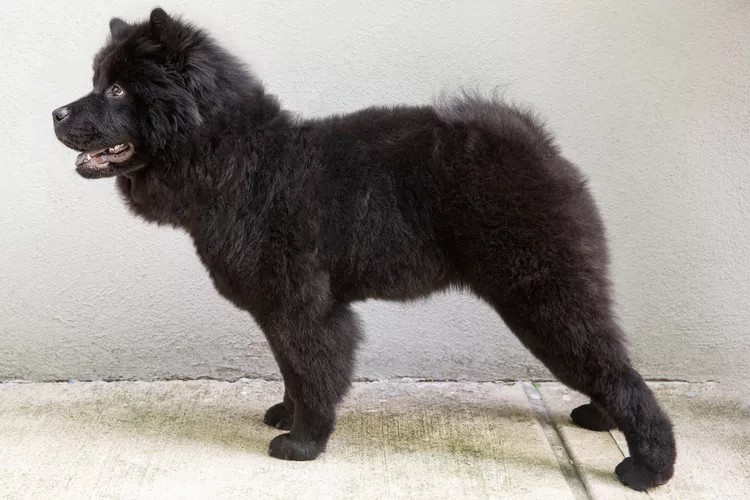
The chow chow is a medium to large-sized non-sporting dog breed from China that is known for its lion-like or bear-like appearance and blue-black tongue. This reserved and independent dog may have a rough or smooth coat. Rough-coated chows have a soft, wooly undercoat and a medium-length topcoat that is straight, dense, coarse, and very full. They have longer hairs (feathering) on the legs and tail, and a thick, long "mane" around the head and neck. Smooth chows also have a double coat, but it is much shorter. Though the breed sometimes has a reputation for being aggressive, most chows are faithful, calm dogs that make excellent companions.
GROUP: Non-sporting
HEIGHT: 17 to 20 inches at the shoulder
WEIGHT: 40 to 70 pounds
COAT: Rough or smooth, double coat
COAT COLOR: Black, blue, cinnamon, cream, or red
LIFE SPAN: 8 to 12 years
TEMPERAMENT: Aloof, independent, loyal, quiet, calm
HYPOALLERGENIC: No
ORIGIN: China
The chow chow is a smart, independent, and sometimes aloof dog that tends to have a dominant and protective nature. The chow chow is definitely not the right breed for everyone but can be an excellent addition to the right home. This breed can work out well as a watchdog or guard dog. The chow chow tends to be a one-person dog, focusing its loyalties on the main owner. However, with proper training and socialization, the breed can get along with all family members—including children, though a home with older kids will be a better fit.
The chow chow is a native of China and among the most ancient of all dog breeds, dating back as early as 206 B.C. DNA analysis shows chows are in the branch that includes the shar-pei, Shiba Inu, and Akita, and are distinct from the lineage of all other dogs. They were used as temple guards in Asia. Though today's chow is a member of the non-sporting group, the breed was actually used for hunting over 2,000 years ago, as shown on bas-relief carvings.
This breed was called by several names in China, none of which were "chow chow." In the late 1700s, English merchants brought miscellaneous cargo from the Far East that they had called "chow chow." Because the dogs were sometimes a part of that cargo, the name eventually caught on. Queen Victoria helped popularize the breed and a breed club was formed in England in 1895.
Chows were brought to the U.S. in the late 1800s and were officially recognized by the American Kennel Club in 1903. President Calvin Coolidge had two chows in the White House. Home guru Martha Stewart has had two chows that made television appearances on her lifestyle programs.
This beautiful, devoted, and smart dog breed is beloved by many and can be an endearing companion. However, chow chows can often show aggression towards dogs of the same sex and, with their hunting background, may have a prey instinct directed towards cats and other small pets. As such, it is best that a chow chow only is brought into a multi-pet household as a puppy and raised with good attention to socialization so the dog accepts the other pets.
While not overly active or high-energy dogs, chows still need routine exercise to stay healthy and happy. A couple of 15- to 30-minute walks per day is a good place to start. They are not fans of vigorous romps, however. When exercising your chow, remember that it can tolerate cold weather well but it does not do well in hot weather. The dog will need a cool place, preferably indoors, when it is hot.
Regardless of what type of coat your chow chow has, routine basic grooming is essential. You will need to brush your dog two to three times per week. However, the rough coat variety will need much more maintenance to avoid tangles and matting. Chows shed a lot twice a year during a change of the seasons, and extra maintenance is necessary at these times, but generally, the rest of the time, the shed rate is low.
You will also want to trim your dog's nails every couple of weeks if they do not get worn down from activity. It is also good to pay attention to dental hygiene and brush your dog's teeth two to three times per week.
This breed needs an assertive owner who will provide discipline, socialization, and a solid foundation of obedience training. Poorly trained chows might act territorial and unfriendly, which unfortunately perpetuates the stereotype that they are aggressive by nature. Your chow needs to know that you are the boss in the household.
Responsible breeders strive to maintain the highest breed standards as established by kennel clubs like the AKC. Dogs bred by these standards are less likely to inherit health conditions. However, some hereditary health problems can occur in the breed. The following are some conditions to be aware of:
A chow chow should be fed twice per day with 1 to 1.5 cups of dog food at each meal. The amount will depend on your pet's size and activity level and will change through his life span. Be sure that your dog has access to fresh, clean water. By limiting the amount at each meal, you can help prevent your dog from gulping down food or eating too much, which can trigger bloating and possibly lead to stomach torsion, which is a medical emergency.
Be sure to monitor your dog's weight, which might be more than meets the eye under that voluminous coat of fur. Obesity will shorten a dog's life. Discuss a plan of action with your veterinarian if you find your dog is putting on extra pounds.
Before you decide whether a chow chow is the right dog for you, be sure to do plenty of research. Talk to other chow chow owners, reputable breeders, and rescue groups to learn more. And, if you are ready to get one, your best bet is to look to the national breed organization as a resource for reputable breeders and rescue organizations. Expect to pay a breeder between $1,000 to $4,000 for a chow chow puppy.
Low activity dog
Only sheds twice a year
Loyal dog, makes a good guard dog
Requires continuous grooming
The breed is prone to a few health issues
Can get territorial and aggressive if not trained properly
If you are interested in similar breeds to the chow chow, look into these dogs to compare the pros and cons.
Explore all of the dog breeds out there. With a little research, you can find the right one to bring home.
Chows can live quite well in apartments as they are quiet and just require walks rather than needing a yard to run around in.
Chow chows are born with typical pink tongues. The color of the tongue develops as the chow puppy begins to open its eyes. The tongue can turn blue, purple, or even black. As the chow matures, the tongue may turn back to pink. No one really knows why this happens, other than that the tongue of a chow chow contains extra pigmented cells much like pigmented skin cells. It helps to know that if your chow's tongue has pink spots in the middle of the color, it's likely not a purebred dog.
Yes and no. The chow chow may look like a big old teddy bear, but this somewhat large dog can be obstinate and tough for a first-time dog owner to train. However, it doesn't need a whole lot of exercise and can also have a quiet, reserved cat-like personality. But what can make them potentially a good choice for new owners is that they are generally even-tempered (with that streak of stubbornness).
Ear Mites in Puppies and Dogs
Ear mites can be a big discomfort for puppies and dogs. Learn about the causes, treatment, and prevention to keep mites away from your pets.
5 Common Foods In Your Pantry That Are Not Safe For Your Pets
One potato chip is not going to hurt your pet, but there are other foods that can. Learn which to avoid and some safe foods that can be used as treats.
Metronidazole for Dogs
Metronidazole is a medication that is frequently given to dogs for bacterial infections and protozoan infestations of the colon. Here's what to expect if your dog is on this antibiotic.
Pulled Muscles in Dogs
A pulled muscle is one of the most common injuries seen in dogs. What can you do if your dog pulls a muscle and how can you prevent it?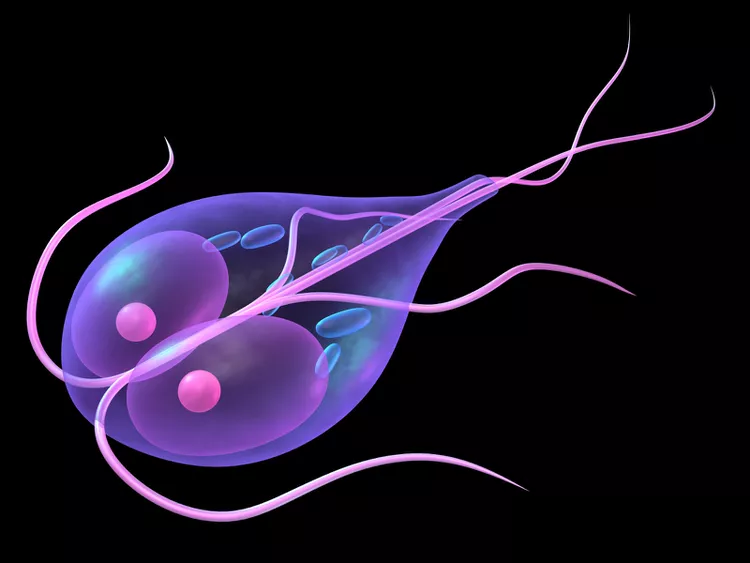
Giardia in Dogs
Giardia is a parasite that can affect dogs, humans, and other animals. Learn about Giardia in dogs, including causes, diagnosis, and treatment.
Can Cats Have Raw Eggs?
Eggs are known to be a protein-packed breakfast staple in American homes. Can your cat eat raw eggs? Here's your answer.
What to Know Before You Buy Food and Water Bowls For Your Cat
Get some important information you need to know before buying food and water bowls for your cat or kitten.
Can Cats Eat Salami?
The inspiration for a popular series of memes, the answer to "can cats have salami?" is yes--but only in small amounts.
What Fruits Can Cats Eat?
Can cats eat fruit? Learn which fruits are safe for cats and which should be avoided. Here's how to safely offer fruit to your cat as a treat.
Can Dogs Eat Raw Chicken Feet?
What are the potential health benefits of chicken feet for dogs? What are the risks?
What to Know About Byproducts in Cat Food
Byproducts in cat food are safe and can provide excellent nutrition.
Do Cats Cry When They Are Sad or in Pain?
Cats don't cry the way people do. Your cat can produce tears, but not ones of sadness. Explore the truth behind a cat's emotions and what those tears mean.
Cat Bunting Behavior: What Does It Mean?
Cats rub their heads against prominent objects to leave scent markings as a part of scent communication.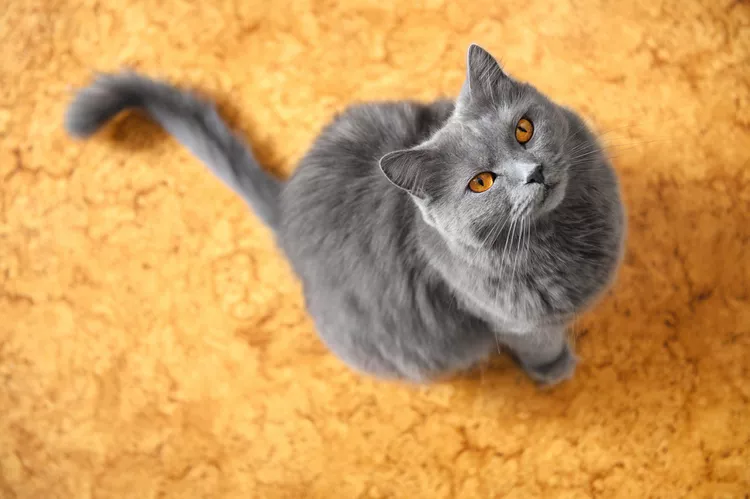
Why Do Cats Wag Their Tails?
Understanding cat tail language can reveal the many reasons cats wag their tails, and there are many.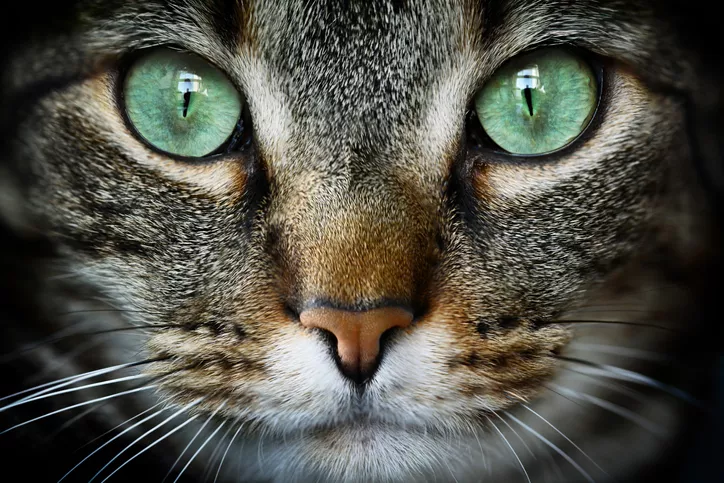
Can Cats See in the Dark?
Cats can see well in the dark but, like humans, they don't have complete night vision. They can see better than humans in low-light situations.
Cat Humping: Why a Neutered Cat Still Mounts
Even if your male cat is neutered, he may continue to mount and hump cats or other objects because of health problems or behavioral issues.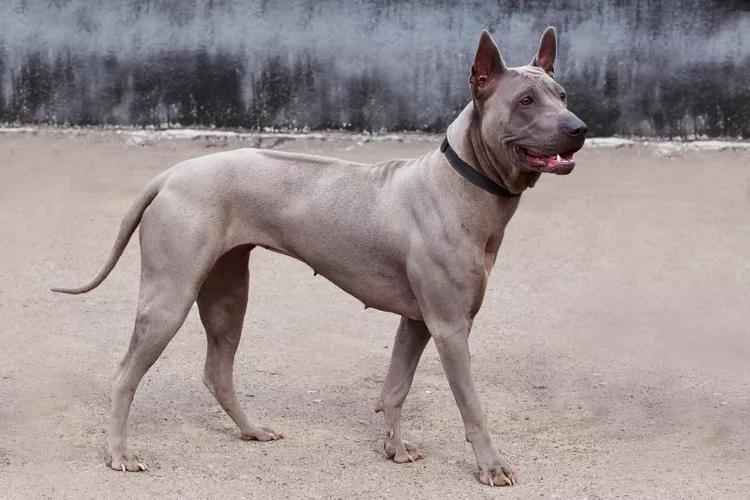
Thai Ridgeback: Dog Breed Characteristics & Care
Learn all about the Thai Ridgeback, a rare breed from Thailand. Find out how to care for the loyal dog and where to buy or adopt one.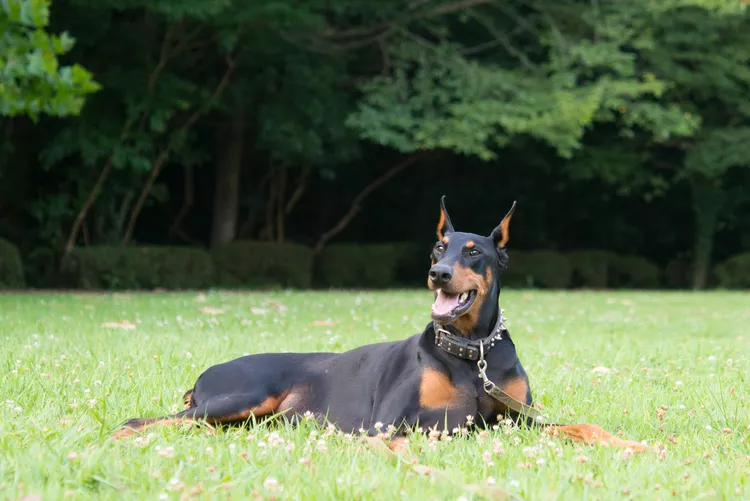
Doberman Pinscher (Dobie): Dog Breed Characteristics & Care
Doberman pinschers are intelligent, loyal, and athletic dogs. Find out more about them, including their history, fearless nature, care, and needs.
14 Pointer Dog Breeds
Pointers extend past the English or German shorthaired pointer. Learn more about the history and temperament of 14 popular pointing breeds.
Bernedoodle: Dog Breed Characteristics & Care
The Bernedoodle is a hybrid dog breed created by crossing Bernese mountain dogs with poodles. Learn about their fun-loving personality and common health issues.