The Czech sheepdog, also known as the Bohemian shepherd, is a medium-size herding dog breed from the Czech Republic that has a medium-length, wavy coat and overall looks very similar to a German shepherd. It has a well-proportioned, compact build with erect ears and an elongated neck, and it moves with a fluid, graceful gait. Czech sheepdogs are generally very bright, alert, and loyal to their family. They also are quite rare, making acquiring one difficult for most people.
Group: Herding
Height: 19.3 to 20.5 inches (female), 20.5 to 21.7 inches (male)
Weight: 37 to 53 pounds (female), 41 to 60 pounds (male)
Coat: Medium-length, wavy double coat
Coat Color: Black and tan
Life Span: 12 to 15 years
Temperament: Friendly, active, intelligent
Hypoallergenic: No
Origin: Czech Republic
The Czech sheepdog generally has a friendly personality and is very affectionate with its family. Its temperament also is marked by its moderate energy level and high intelligence, making exercise and mental stimulation a must.
The Czech sheepdog can trace its roots back all the way to the 14th century in what’s now the Czech Republic. People bred them to be loyal guard dogs for their property and family. And they used them for herding and other farm work.
The dogs were developed for their family-friendly temperament and working abilities rather than looks. The breed remained rare throughout the centuries and largely limited to the Czech Republic lands.
In the 1980s, a breed standard finally was established, with the first puppies bred according to this standard being born in 1985. It wasn’t until 2019 that the American Kennel Club accepted the breed into its Foundation Stock Service, a program that keeps track of rare purebred dogs.
Czech sheepdogs prefer an active lifestyle, and they generally take well to training. Their medium-length coat does shed a moderate amount, but grooming it is fairly easy.
Czech sheepdogs enjoy being active and should receive at least an hour of exercise per day. Ideal activities include walks, jogging, hiking, and vigorous games of fetch. Dog sports, such as agility and herding, also are great ways to burn both mental and physical energy. When they receive sufficient exercise, Czech sheepdogs are typically calm in the house and happy to cuddle on the couch.
It’s important to keep in mind that due to this breed’s heavy coat, it doesn’t tolerate hot weather well. So limit outdoor exercise sessions in the heat.
Plan to brush your dog’s coat at least once a week to remove loose fur and prevent tangles and mats. Your dog will likely experience seasonal periods of higher shedding, often in the spring and fall, at which time you should increase your brushing frequency to keep up with the loose fur.
A bath roughly once a month should suffice, depending on how dirty your dog gets. Check its nails monthly as well to see whether they’re due for a trim. And look in its ears at least weekly for wax buildup, debris, and other irritation. Finally, aim to brush its teeth every day.
Czech sheepdogs typically are eager to please and intelligent enough to pick up on training cues quickly. Begin both training and socialization from a young age. A puppy obedience class is ideal for your dog to learn basic skills and manners. Also, aim to expose it to different people, other dogs, and various locations from an early age to boost its comfort and confidence.
It’s important to be consistent in training cues and always to use positive training methods. These dogs can be sensitive at times, and harsh corrections can cause them to shut down and not learn. They also like varied training sessions to keep them mentally engaged.
The Czech sheepdog is a relatively healthy breed, but it is still prone to some hereditary health issues, including:
Always make sure fresh water is accessible to your dog. Feed a high-quality canine diet that is nutritionally balanced. It’s typical to feed two measured meals per day to prevent overeating. But make sure to discuss both the food type and amount with your veterinarian. And be mindful of treats and other extra food to prevent your dog from gaining excess weight.
The Czech sheepdog is a rare breed that you're not likely to encounter in North America. But it's still worth checking animal shelters and rescue groups for a dog in need of a home. See whether animal shelters have a breed wait list that you can get your name on. Moreover, the American Kennel Club does not list any Czech sheepdog breeders. So if you're interested in acquiring the breed, you might have to contact breeders in the Czech Republic. The average cost of a breeder dog is around $1,250, but that can vary widely, especially for a rare breed.
Generally friendly and affectionate
Usually good with kids
Typically takes well to training
Can be difficult to find at rescues and breeders
Can be sensitive at times
Doesn't tolerate heat well
Always do diligent research before bringing a dog home to make sure the breed is right for your lifestyle. Talk to Czech sheepdog owners, veterinarians, rescue groups, and reputable breeders to learn more.
If you’re interested in similar breeds, check out:
There’s a whole world of potential dog breeds out there—with a little research, you can find the right one to bring home!
The Czech sheepdog and German shepherd look very similar, largely thanks to their typically black-and-tan coats and upright ears. However, Czech sheepdogs tend to be slightly smaller than German shepherds, with a more compact build.
With proper training and socialization, Czech sheepdogs can be excellent family pets. They tend to be tolerant of children, though dogs should always be supervised around young children.
Czech sheepdogs are typically a friendly breed that does not display aggression, as long as they have training and socialization. They might alert you to perceived threats, but they generally are open to meeting strangers.
Ear Mites in Puppies and Dogs
Ear mites can be a big discomfort for puppies and dogs. Learn about the causes, treatment, and prevention to keep mites away from your pets.
5 Common Foods In Your Pantry That Are Not Safe For Your Pets
One potato chip is not going to hurt your pet, but there are other foods that can. Learn which to avoid and some safe foods that can be used as treats.
Metronidazole for Dogs
Metronidazole is a medication that is frequently given to dogs for bacterial infections and protozoan infestations of the colon. Here's what to expect if your dog is on this antibiotic.
Pulled Muscles in Dogs
A pulled muscle is one of the most common injuries seen in dogs. What can you do if your dog pulls a muscle and how can you prevent it?
Giardia in Dogs
Giardia is a parasite that can affect dogs, humans, and other animals. Learn about Giardia in dogs, including causes, diagnosis, and treatment.
Can Cats Have Raw Eggs?
Eggs are known to be a protein-packed breakfast staple in American homes. Can your cat eat raw eggs? Here's your answer.
What to Know Before You Buy Food and Water Bowls For Your Cat
Get some important information you need to know before buying food and water bowls for your cat or kitten.
Can Cats Eat Salami?
The inspiration for a popular series of memes, the answer to "can cats have salami?" is yes--but only in small amounts.
What Fruits Can Cats Eat?
Can cats eat fruit? Learn which fruits are safe for cats and which should be avoided. Here's how to safely offer fruit to your cat as a treat.
Can Dogs Eat Raw Chicken Feet?
What are the potential health benefits of chicken feet for dogs? What are the risks?
What to Know About Byproducts in Cat Food
Byproducts in cat food are safe and can provide excellent nutrition.
Do Cats Cry When They Are Sad or in Pain?
Cats don't cry the way people do. Your cat can produce tears, but not ones of sadness. Explore the truth behind a cat's emotions and what those tears mean.
Cat Bunting Behavior: What Does It Mean?
Cats rub their heads against prominent objects to leave scent markings as a part of scent communication.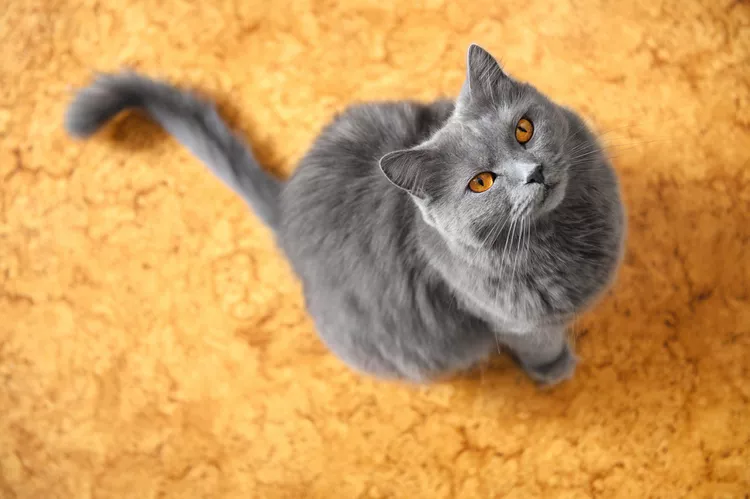
Why Do Cats Wag Their Tails?
Understanding cat tail language can reveal the many reasons cats wag their tails, and there are many.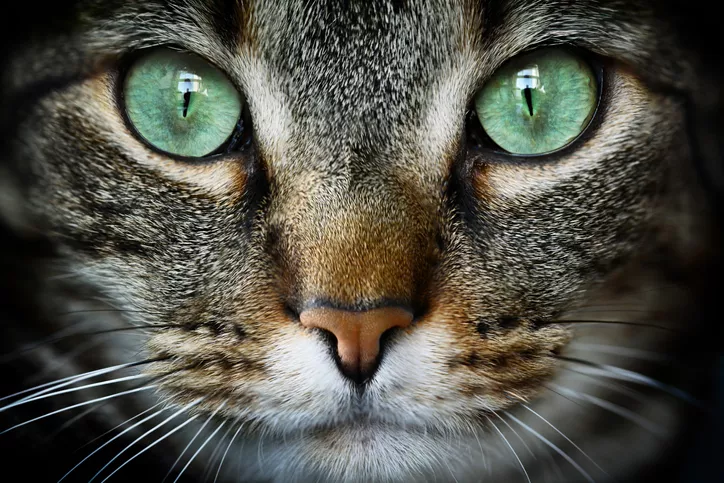
Can Cats See in the Dark?
Cats can see well in the dark but, like humans, they don't have complete night vision. They can see better than humans in low-light situations.
Cat Humping: Why a Neutered Cat Still Mounts
Even if your male cat is neutered, he may continue to mount and hump cats or other objects because of health problems or behavioral issues.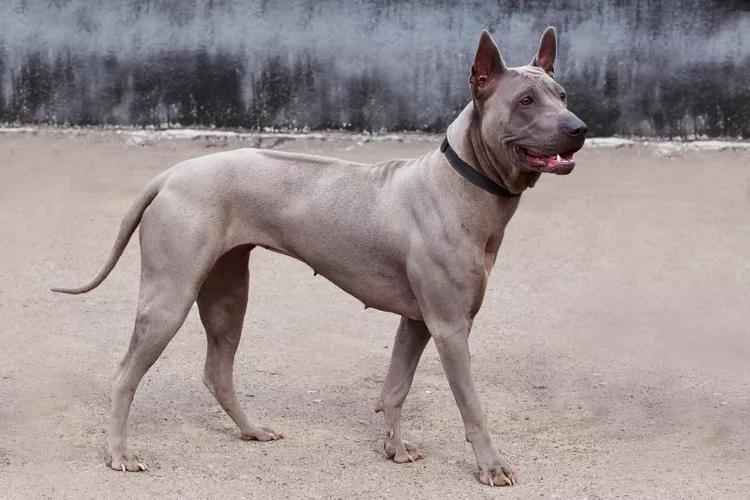
Thai Ridgeback: Dog Breed Characteristics & Care
Learn all about the Thai Ridgeback, a rare breed from Thailand. Find out how to care for the loyal dog and where to buy or adopt one.
Doberman Pinscher (Dobie): Dog Breed Characteristics & Care
Doberman pinschers are intelligent, loyal, and athletic dogs. Find out more about them, including their history, fearless nature, care, and needs.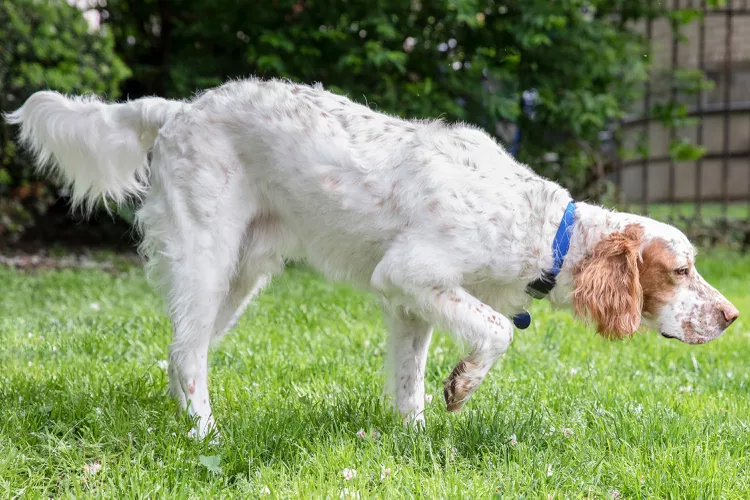
14 Pointer Dog Breeds
Pointers extend past the English or German shorthaired pointer. Learn more about the history and temperament of 14 popular pointing breeds.
Bernedoodle: Dog Breed Characteristics & Care
The Bernedoodle is a hybrid dog breed created by crossing Bernese mountain dogs with poodles. Learn about their fun-loving personality and common health issues.