
The Nova Scotia Duck Tolling Retriever is a medium-sized sporting dog from Canada with golden-red fur, floppy ears, an athletic body, and a waterproof double coat. Originally called Little River Duck Dogs, these cheerful canines love water and sport training as much as they love their families. They look similar to Golden Retrievers—though smaller in size—and bring with them a personality that's all their own. As for whether that personality brings joy to your life or stress, it all depends on what you’re looking for in a family dog and what lifestyle you can offer these feisty furballs.
Nova Scotia Duck Tolling Retrievers (often shortened simply to Tollers) are sport dogs at heart with intelligence, affection, and an affinity for self-assured independence. Give a Toller what he or she needs, including plenty of exercise and attention, and you’ll have a loyal, affectionate companion—plus a go-to partner for hikes, bike rides, and all the long walks you can take.
Group: Sporting
Height: 18 to 21 inches (males); 17 to 20 inches (females)
Weight: 35 to 50 pounds
Coat: Medium-length double coat with a soft undercoat
Coat Color: Red, red-gold, or buff, often with patches of white
Life Span: 12 to 14 years
Temperament: Intelligent, energetic, affectionate, alert, outgoing
Hypoallergenic: No
Origin: Canada
The Nova Scotia Duck Tolling Retriever is a great breed choice for owners that want their dog to be their best friend. These active dogs are always up for playtime, exercising, and joining their families on adventures. Tollers have especially friendly personalities toward children, and they enjoy living in multi-dog households where play is encouraged. This breed also does well with cats when introductions are made properly, though because of its origins in hunting, it still retains a prey drive and may be inclined to chase smaller animals.
Potential owners should be aware that Nova Scotia Duck Tollers are a very high-energy dog breed that needs lots of attention and mental stimulation each day, and without it, they may find entertainment elsewhere by becoming destructive around the house. However, with the right care and a loving family, these dogs can quickly become loyal friends to those they love.
The Nova Scotia Duck Tolling Retriever breed comes from Yarmouth County in Nova Scotia, a Canadian coastal province located slightly northwest of Maine. Originally bred in the 1800s by hunters, Tollers have long been lauded for their ingenuity when it comes to hunting. Much like a fox, the Nova Scotia Duck Tolling Retriever employs quick movements that attract the attention of prey and lure them out into the open. Because they’re retrievers, Tollers are also valuable to hunters for their willingness to enter the water and bring in downed waterfowl.
Tollers remained a secret of Nova Scotia hunters for years, though they were eventually recognized by the Canadian Kennel Club in 1945. This occasion was marked by the official renaming of the breed from Little River Duck Dogs to their current long-winded moniker. In the 1960s, Tollers made their way down to the United States, though they weren’t officially recognized by the AKC until the mid-1980s. There is much to be praised about modern Tollers: While they continue to look and act like foxes, they've adapted well to life off the hunting grounds (though many are still active in the sport). Today, Tollers are happy to live the life of a family dog, provided they still have an outlet for their famous retriever energy and drive.
Nova Scotia Duck Tolling Retrievers are active dogs that do best in homes with owners that can fulfill their exercise needs. They're a bit more stubborn than other popular retrievers, but with consistency in training, their eagerness to please can help them learn desired behaviors at home. Grooming a Toller requires little more than regular brushings and routine care, but owners should prepare for a high level of shedding from these long-haired dogs.
Like most dogs, the Toller requires daily exercise to be at its best. At least an hour per day of activity will keep this breed happy and healthy. One or two long walks or a fenced backyard are key, though Tollers also enjoy participating in sports like agility training and flyball. Adding in plenty of playtime is a great way to strengthen your bond while entertaining your dog. Ultimately, a specific Toller’s exercise needs depend on his or her individual preferences. Some Tollers are content to relax on the couch for most of the day after a long walk, while others require much more stimulation and activity to be fulfilled.
Grooming a Nova Scotia Duck Toller is similar to caring for other retrievers. This breed sheds twice per year, so owners should expect to increase its brushing schedule during these seasons to control stray fur around the house. Throughout the rest of the year, brushing these dogs a few times each week should usually keep shedding under control. Bathe your Toller when his or her coat becomes dirty or after long exercise sessions outdoors.
Like all dog breeds, the Toller also needs to have its teeth brushed, nails trimmed, and ears cleaned on a regular basis. Use a pet-safe ear cleaner as needed when dirt and debris build up inside the ears.
Training a Nova Scotia Duck Tolling Retriever can be a challenge. While they are certainly eager to please their humans, Tollers have a stubborn and independent streak that can stand in the way of effective training—though it is certainly possible. Begin basic obedience lessons early when puppies are about eight weeks old. Experts recommend short training sessions combined with plenty of consistent, positive reinforcement. Since some Tollers are prone to a bit of mischief, this breed requires obedience training even if it doesn't move on to advanced lessons for activities like agility or hunting.
While Nova Scotia Duck Tolling Retrievers are regarded as generally healthy dogs, like most purebreds, they're still prone to a few inherited problems. Responsible breeders strive to maintain high standards by testing their dogs before breeding, which helps them avoid passing problems down to puppies. Always ask your breeder to provide clear results of any relevant genetic tests for the litter's parents.
The following are conditions associated with the Nova Scotia Duck Tolling Retriever breed:
Some of these illnesses, such as Addison’s Disease and deafness, don’t tend to appear in Nova Scotia Duck Tollers until middle age. It's possible for a Toller with these genetic defects to be bred before the diseases are detected, and unfortunately, gene marker tests for the breed are not yet available. Having access to the litter's genetic history for more than one generation can help breeders mitigate these risks.
Feed your Nova Scotia Duck Toller a diet of high-quality dog food twice per day. Foods with a healthy protein listed as the first ingredient are best for these active dogs, while Tollers that exercise extensively each day may need calorie-dense options in higher quantities. Feel free to give your Toller plenty of healthy treats (remember: they respond well to positive reinforcement!), but monitor your dog's weight closely and reduce treats if they begin gaining too much.
Accommodate any specific dietary needs like food allergies or age-specific nutrients. It's always best to talk to your veterinarian about which types of food and portion sizes are healthy for your dog based on their age, weight, and activity level.
Since the Nova Scotia Duck Tolling Retriever is still a somewhat rare dog breed, prospective adopters may not find many of these dogs in local shelters. However, breed-specific rescues exist to help these cheerful pups find their forever homes. Your local shelter may also introduce you to similar retriever breeds that are waiting to be your next best friend.
When adopting from a breeder, it's important to do your research. Ensure you're provided with the litter's medical history, allowed to meet their parents, and able to see that the dogs are raised in a comfortable indoor location. Nova Scotia Duck Tollers typically cost between $1,500 and $2,500, but prices may vary as high as $4,000 depending on the litter's pedigree and availability.
To start your search, check out resources like breed-specific rescues, the national breed club, and the AKC:
Cheerful and enthusiastic personality
Great with children, dogs, and cats when introduced properly
Loves engaging in sports and activities
Not ideal for apartment living
Sheds heavily
Needs lots of exercise each day to be well-behaved at home
If you love the Nova Scotia Duck Tolling Retriever, you may also like these similar breeds:
There are plenty of different dog breeds out there that can join your family. With a little research, you can find the right match for your home!
While the breed has existed since the 1800s in Canada, the Nova Scotia Duck Tolling Retriever is still a somewhat rare dog breed in the United States. Prospective adopters can reach out to breed-specific rescues and the national breed club to adopt a Toller in their region.
The Nova Scotia Duck Tolling Retriever is especially loving, energetic, and playful with its owners and children alike. For those that can keep up with this breed's exercise needs each day, the Toller makes a wonderful family dog.
Nova Scotia Duck Tolling Retrievers aren't the most vocal dogs, but they'll still alert their owners when they feel it's necessary, and they may bark when excited about other animals or new people outside. If it becomes a problem, there are plenty of helpful ways to train your dog against excessive barking.
Ear Mites in Puppies and Dogs
Ear mites can be a big discomfort for puppies and dogs. Learn about the causes, treatment, and prevention to keep mites away from your pets.
5 Common Foods In Your Pantry That Are Not Safe For Your Pets
One potato chip is not going to hurt your pet, but there are other foods that can. Learn which to avoid and some safe foods that can be used as treats.
Metronidazole for Dogs
Metronidazole is a medication that is frequently given to dogs for bacterial infections and protozoan infestations of the colon. Here's what to expect if your dog is on this antibiotic.
Pulled Muscles in Dogs
A pulled muscle is one of the most common injuries seen in dogs. What can you do if your dog pulls a muscle and how can you prevent it?
Giardia in Dogs
Giardia is a parasite that can affect dogs, humans, and other animals. Learn about Giardia in dogs, including causes, diagnosis, and treatment.
Can Cats Have Raw Eggs?
Eggs are known to be a protein-packed breakfast staple in American homes. Can your cat eat raw eggs? Here's your answer.
What to Know Before You Buy Food and Water Bowls For Your Cat
Get some important information you need to know before buying food and water bowls for your cat or kitten.
Can Cats Eat Salami?
The inspiration for a popular series of memes, the answer to "can cats have salami?" is yes--but only in small amounts.
What Fruits Can Cats Eat?
Can cats eat fruit? Learn which fruits are safe for cats and which should be avoided. Here's how to safely offer fruit to your cat as a treat.
Can Dogs Eat Raw Chicken Feet?
What are the potential health benefits of chicken feet for dogs? What are the risks?
What to Know About Byproducts in Cat Food
Byproducts in cat food are safe and can provide excellent nutrition.
Do Cats Cry When They Are Sad or in Pain?
Cats don't cry the way people do. Your cat can produce tears, but not ones of sadness. Explore the truth behind a cat's emotions and what those tears mean.
Cat Bunting Behavior: What Does It Mean?
Cats rub their heads against prominent objects to leave scent markings as a part of scent communication.
Why Do Cats Wag Their Tails?
Understanding cat tail language can reveal the many reasons cats wag their tails, and there are many.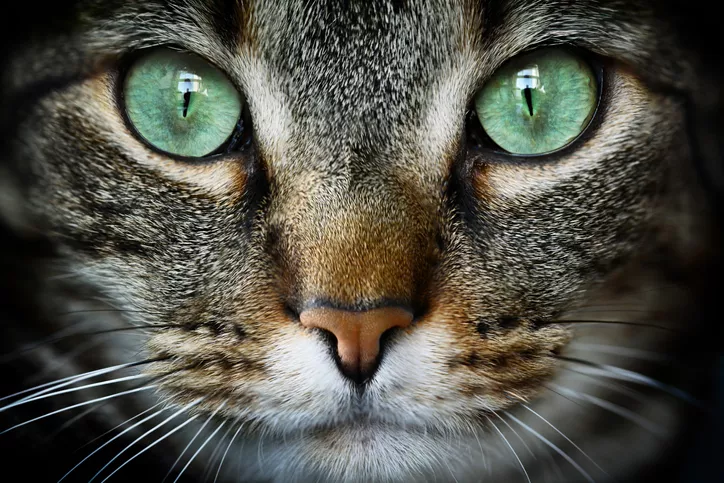
Can Cats See in the Dark?
Cats can see well in the dark but, like humans, they don't have complete night vision. They can see better than humans in low-light situations.
Cat Humping: Why a Neutered Cat Still Mounts
Even if your male cat is neutered, he may continue to mount and hump cats or other objects because of health problems or behavioral issues.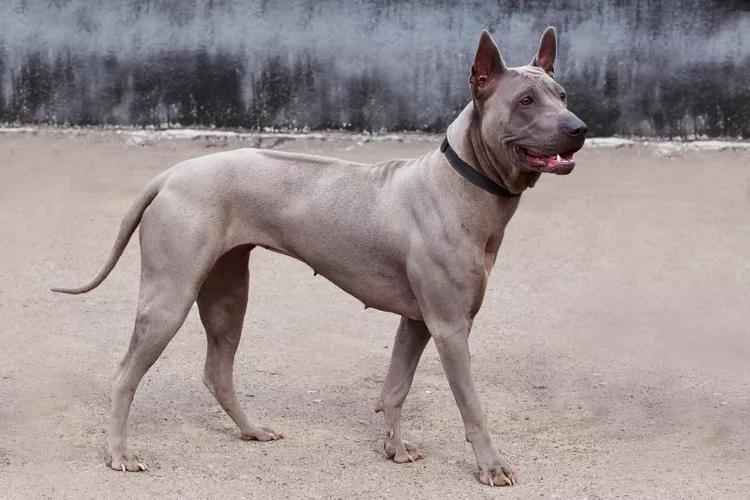
Thai Ridgeback: Dog Breed Characteristics & Care
Learn all about the Thai Ridgeback, a rare breed from Thailand. Find out how to care for the loyal dog and where to buy or adopt one.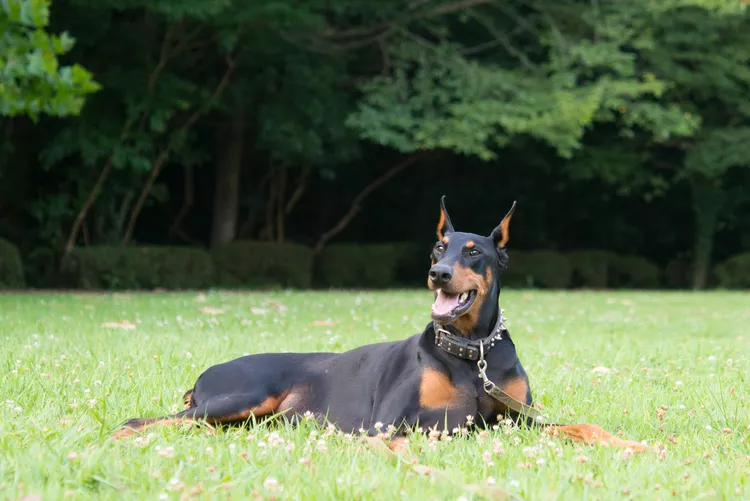
Doberman Pinscher (Dobie): Dog Breed Characteristics & Care
Doberman pinschers are intelligent, loyal, and athletic dogs. Find out more about them, including their history, fearless nature, care, and needs.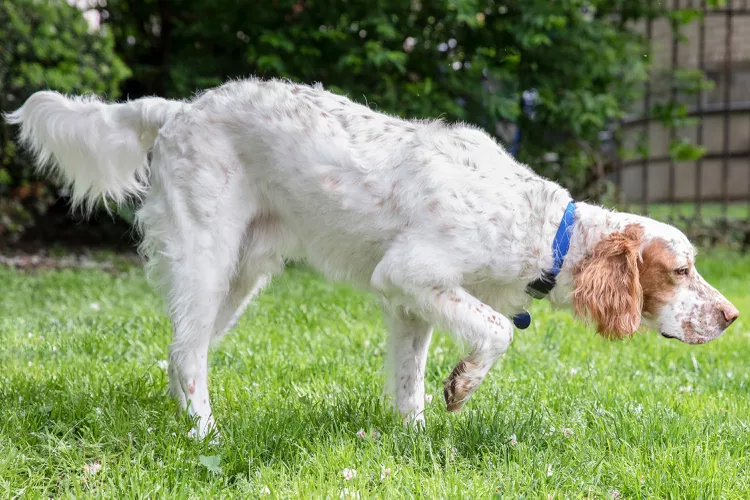
14 Pointer Dog Breeds
Pointers extend past the English or German shorthaired pointer. Learn more about the history and temperament of 14 popular pointing breeds.
Bernedoodle: Dog Breed Characteristics & Care
The Bernedoodle is a hybrid dog breed created by crossing Bernese mountain dogs with poodles. Learn about their fun-loving personality and common health issues.



:strip_icc():format(webp)/types-of-retrievers-2804738-hero-bae3573b5db347b5bf5979e0d131b6a4.jpg)
:strip_icc():format(webp)/GettyImages-840217160-baaf0f08b17c477b8a34e28ab0b221a6.jpg)