Flu viruses occur in many species of animals, and dogs are no exception. Canine influenza, or dog flu, is a contagious virus that causes respiratory illness in dogs. Any dog can become infected with the canine influenza virus, and dogs who are in close contact with other dogs, like at daycare, boarding, and in shelters, are particularly at risk.
Although canine influenza does not commonly cause death, it can compromise the lungs and lead to a secondary bacterial pneumonia that may affect whether a dog recovers. Canine influenza has occurred in most states in the United States.
Canine influenza is caused by a flu virus that belongs to the family of orthomyxoviruses. These viruses are highly variable and adaptable to many species of animals, including birds. Within this family, canine influenza belongs to the type A influenza viruses. Two subtypes of canine influenza have been identified in the United States, H3N8 and H3N2.
Influenza A viruses tend to remain within certain species of animals, but sometimes changes in the genetic makeup of the viruses enable them to “jump” to other types of animals. It’s likely that this is what happened with canine influenza. The H3N8 subtype appears to have come from horses originally and moved into dogs in the late 1990s or early 2000s. Birds were the likely source of the H3N2 dog flu, which appeared in dogs in Asia in the early 2000s as well and may have come from contact with birds in live markets. Occasionally other types of influenza A viruses that come from humans, horses, pigs, and birds can infect dogs, but these instances are rare.
Dogs with H3N8 canine influenza usually show mild to moderate symptoms that can resemble other respiratory illnesses like infectious tracheobronchitis (kennel cough). Dogs will have a dry or moist cough, runny nose, and decreased appetite. They may be lethargic and run a low-grade fever. Vomiting and diarrhea have been occasionally noted with the flu, but these symptoms are not normally seen in most cases.
When the H3N2 variant of canine flu first appeared in Asia, dogs became very sick and the rates of death were high. Although dogs can still become very ill from this variant of the flu, severe sickness and death are no longer common. Most dogs show symptoms of mild to moderate respiratory illness, similar to the H3N8 variant.
Dogs may run a low grade fever. Normal temperature for a dog ranges from 100 to 102.5 degrees Fahrenheit. A fever is indicated by temperatures above 103 degrees Fahrenheit. While most dogs run low fevers, a high fever in a dog with canine flu may mean that they’ve acquired a bacterial infection in their lungs as well.
Dogs have a dry or moist cough that continues for as long as three weeks, even when the dog is otherwise feeling better.
Sneezing is a common symptom of upper respiratory infection that often comes along with discharge from the nose and eyes.
Dogs may have either clear or colored discharge from the nose and eyes. If the discharge changes color and appears yellow, white, or green, the dog may have secondary bacterial infection that needs to be addressed.
Dogs with fever, nasal and upper respiratory congestion, and cough sometimes lose their appetite because they don’t feel well, can’t breathe clearly, and aren’t stimulated by the smell of their food. Offering them food that smells strongly and adding water to their food so they can lap it up often helps.
Fever and respiratory illness make the body feel achy and tired, and many dogs may feel lethargic and not want to move much when they’re feeling these symptoms. A decreased appetite also means a dog has less energy from lower food intake.
Canine influenza is caused by a virus that is transmitted between dogs via droplets in the air. If dogs are in close contact, like in a boarding facility or shelter, and a dog that has canine influenza coughs or sneezes near another dog, that dog may breathe in those droplets and become infected as well. Common influenza viruses can also remain infectious on surfaces for up to two days, on clothes for 24 hours, and on hands for 12 hours, which means people can spread the virus as well if good hygiene and disinfection aren't implemented. In this way, the virus passes from dog to dog until many dogs are infected and ill. This is then considered an outbreak. Canine influenza is highly transmissible in these conditions.
In the United States, recent outbreaks have occurred in Texas, California, Florida, Indiana, South Carolina, Ohio, Pennsylvania, and New York. With the exception of North Dakota and Nebraska, canine influenza has appeared in every state at some point.
If your dog is sneezing, coughing, and showing other symptoms of a respiratory infection, the best thing to do is visit a veterinarian right away. Be sure to inform your veterinarian's office of your dog's symptoms before bringing it into the building. They may have a special area to keep possibly contagious pets isolated. Your veterinarian will do a physical examination and ask you about where your dog has been recently and whether there has been any close contact with other dogs.
Canine influenza is diagnosed by taking a swab of the dog’s nasal or upper respiratory passages. This is a quick, relatively noninvasive procedure, although it may be uncomfortable for the dog because the swab must be inserted far up the nose. Once the sample has been acquired, your veterinarian will send it to a laboratory for testing.
The most reliable test to diagnose canine influenza is a polymerase chain reaction test, which can detect genetic material from specific viruses. Other tests are available and may also be used, including virus isolation tests and tests that detect antibodies to influenza in the dog.
Treatment is mainly supportive care to help the dog’s immune system fight the virus and recover. Supportive care includes maintaining good nutrition and hydration, reducing stress, and keeping the dog’s living areas clean. Other conditions, like bacterial infections, pneumonia, and dehydration are also treated. This may necessitate giving fluids to the dog and medications to treat the specific conditions.
Dogs generally have mild illness and recover well from canine influenza, although it may take a few weeks for their cough to go away. Dogs who are very young, very old, have underlying illnesses, or are immune suppressed are at a greater risk of severe illness and death. Dogs with secondary bacterial infections and pneumonia have a poorer prognosis, although they can recover with aggressive treatment.
Vaccines are available for both H3N8 and H3N2 viruses and can be given in combination. However, not all dogs should have these vaccines. Dogs with high risk factors for exposure to canine flu, like boarding, kenneling, going to groomers, and in shelters, should have the vaccination. Your veterinarian can help you determine if your dog is at risk of canine influenza and should get the vaccine.
The H3N8 strain of canine influenza has not been shown to infect any other types of animals. Even though the strain originated from horses, this virus no longer seems to be able to infect them and cause illness.
The H3N2 strain will infect and cause illness in cats, and it’s important to keep a dog with canine influenza away from any cats in the house. Dogs who are showing symptoms of canine influenza or who have been exposed to a dog with the flu should be isolated away from other animals until they have recovered. Proper disinfection and hygiene is very important to avoid spreading the virus to other animals.
There is no evidence that canine influenza can spread to people, and there have been no documented cases where this has occurred.

Ear Mites in Puppies and Dogs
Ear mites can be a big discomfort for puppies and dogs. Learn about the causes, treatment, and prevention to keep mites away from your pets.
5 Common Foods In Your Pantry That Are Not Safe For Your Pets
One potato chip is not going to hurt your pet, but there are other foods that can. Learn which to avoid and some safe foods that can be used as treats.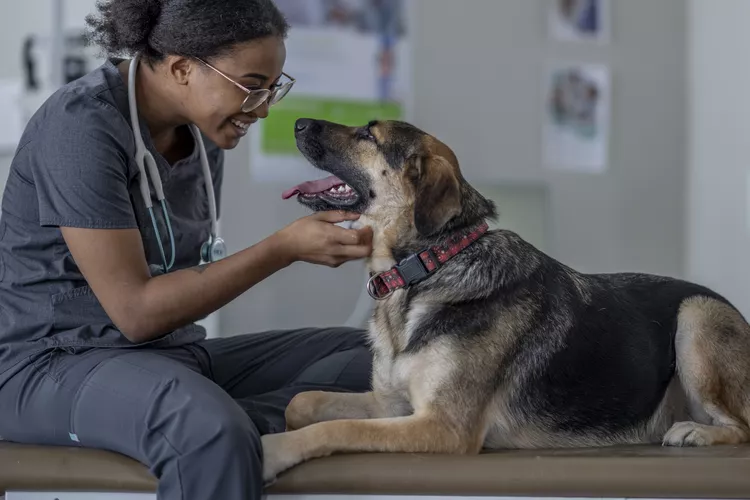
Metronidazole for Dogs
Metronidazole is a medication that is frequently given to dogs for bacterial infections and protozoan infestations of the colon. Here's what to expect if your dog is on this antibiotic.
Pulled Muscles in Dogs
A pulled muscle is one of the most common injuries seen in dogs. What can you do if your dog pulls a muscle and how can you prevent it?
Giardia in Dogs
Giardia is a parasite that can affect dogs, humans, and other animals. Learn about Giardia in dogs, including causes, diagnosis, and treatment.
Can Cats Have Raw Eggs?
Eggs are known to be a protein-packed breakfast staple in American homes. Can your cat eat raw eggs? Here's your answer.
What to Know Before You Buy Food and Water Bowls For Your Cat
Get some important information you need to know before buying food and water bowls for your cat or kitten.
Can Cats Eat Salami?
The inspiration for a popular series of memes, the answer to "can cats have salami?" is yes--but only in small amounts.
What Fruits Can Cats Eat?
Can cats eat fruit? Learn which fruits are safe for cats and which should be avoided. Here's how to safely offer fruit to your cat as a treat.
Can Dogs Eat Raw Chicken Feet?
What are the potential health benefits of chicken feet for dogs? What are the risks?
What to Know About Byproducts in Cat Food
Byproducts in cat food are safe and can provide excellent nutrition.
Do Cats Cry When They Are Sad or in Pain?
Cats don't cry the way people do. Your cat can produce tears, but not ones of sadness. Explore the truth behind a cat's emotions and what those tears mean.
Cat Bunting Behavior: What Does It Mean?
Cats rub their heads against prominent objects to leave scent markings as a part of scent communication.
Why Do Cats Wag Their Tails?
Understanding cat tail language can reveal the many reasons cats wag their tails, and there are many.
Can Cats See in the Dark?
Cats can see well in the dark but, like humans, they don't have complete night vision. They can see better than humans in low-light situations.
Cat Humping: Why a Neutered Cat Still Mounts
Even if your male cat is neutered, he may continue to mount and hump cats or other objects because of health problems or behavioral issues.
Thai Ridgeback: Dog Breed Characteristics & Care
Learn all about the Thai Ridgeback, a rare breed from Thailand. Find out how to care for the loyal dog and where to buy or adopt one.
Doberman Pinscher (Dobie): Dog Breed Characteristics & Care
Doberman pinschers are intelligent, loyal, and athletic dogs. Find out more about them, including their history, fearless nature, care, and needs.
14 Pointer Dog Breeds
Pointers extend past the English or German shorthaired pointer. Learn more about the history and temperament of 14 popular pointing breeds.
Bernedoodle: Dog Breed Characteristics & Care
The Bernedoodle is a hybrid dog breed created by crossing Bernese mountain dogs with poodles. Learn about their fun-loving personality and common health issues.