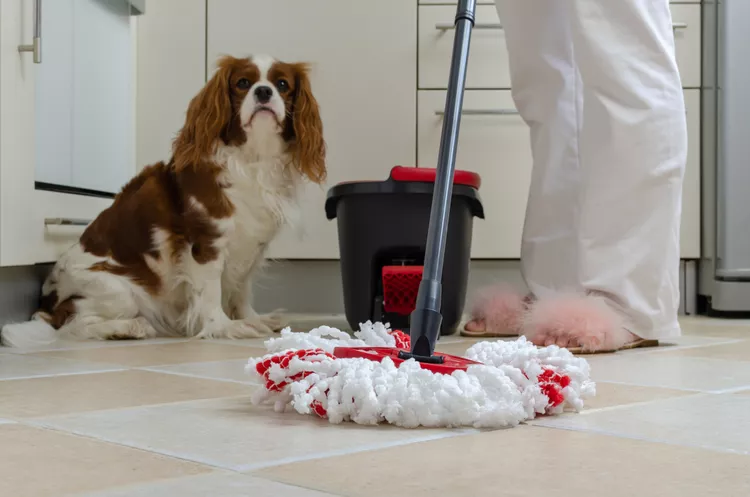
It’s no secret that if you have pets, you’re going to have messes to clean up as well. Whether you share your home with a cat or dog, spot mopping and thorough deep cleaning will become part of your routine. Many people enjoy the ease of a Swiffer WetJet when faced with small spots or tough cleaning jobs created by their pets. But, are the chemicals found in Swiffer WetJets safe to use around pets? Let’s find out.
The claim that Swiffer WetJet was unsafe around pets was circulated via email in the early 2000s. The death of a dog and two cats were assumed to have been caused by the chemicals found in the Swiffer WetJet. But, veterinary toxicologists at the ASPCA reviewed the claim and stated that the ingredients were safe to use around pets when used according to label directions and that they do not cause liver damage at the product’s concentrations.
According to Proctor & Gamble’s Material Safety Data Sheet (MSDS), most of the Swiffer WetJet cleaning solution is composed of water: somewhere between 90 and 100 percent. Propylene glycol n-butyl ether and alcohol make up between one and four percent each, with the remainder of the solution comprised of minor ingredients and preservatives.
The urban myth that Swiffer WetJet solution was killing pets arose because of the inclusion of propylene glycol, which is used with ethylene glycol in antifreeze and de-icing products. While ethylene glycol has been shown to pose a threat to pets, propylene glycol has been classified by the Food and Drug Administration (FDA) as an additive that is “generally recognized as safe” for use in food, and is recommended as a safe alternative to ethylene glycol antifreeze products to use around pets.
Also, the ingredient in Swiffer WetJet solution is not propylene glycol, but propylene glycol n-butyl ether, which is an ingredient found in many different brands of cleaning products. Since it is such a common chemical, we should have heard of many more pet deaths if it was truly dangerous.
The product's pads could be hazardous for pets if they eat the pad. Additionally, it is possible for your pet to consume a large amount of cleaning fluid, which could cause toxicity issues.
Simply put, Swiffer WetJet is safe to use around pets, as long as you follow the label directions. The product’s pads could cause a gastrointestinal blockage if eaten, and a large amount of the cleaning solution could lead to toxicity, but most pets should be smart enough to avoid guzzling the solution.
It is safe to use a Swiffer WetJet on your floors and even allow your pet to walk on them before they are dry. But, to be extra cautious, keep your pet confined in a different room until your floors are dry and ensure that you store the cleaning solution and pads out of reach of your pet.
Pets are nosy creatures and tend to sniff out things that are better left alone. Most households are filled with chemicals designed to eradicate dirt, mold, mildew, rust, weeds, and pests, but these products can poison your pet. When filling your cabinet with household cleaners, be sure your cabinet is tightly secured against inquisitive pets and their prying paws, as the following chemicals can harm your furry friend:
When in doubt about the toxicity status of a particular product, read the label thoroughly or contact the manufacturing company for advice.
If your pet manages to sneak her way into your cleaning product cabinet or runs afoul of a chemical, you may notice a few signs of toxicity such as vomiting or diarrhea, unusual body temperature, and shaking.
At the first hint that your pet may have gotten into a chemical, contact your veterinarian immediately. If an incident occurs after their business hours, call your local emergency veterinary hospital or the ASPCA’s poison control center at (888) 426-4435.
Avoid the risk of toxicity for your pet by using natural products to clean your floor. We’ve taken the legwork out of finding the safest floor cleaning products to help prevent toxicity in your furry friend. Here is a list of non-toxic floor cleaners safe for use around pets:
When cleaning your floors and you’re unsure about the toxicity level of your product, be sure to rinse your floor well afterward, keep your pet off your floor until it’s fully dry, and block access to your cleaning products. Many all-natural products don’t require rinsing post-cleaning, so check the label to ensure proper use.
Ear Mites in Puppies and Dogs
Ear mites can be a big discomfort for puppies and dogs. Learn about the causes, treatment, and prevention to keep mites away from your pets.
5 Common Foods In Your Pantry That Are Not Safe For Your Pets
One potato chip is not going to hurt your pet, but there are other foods that can. Learn which to avoid and some safe foods that can be used as treats.
Metronidazole for Dogs
Metronidazole is a medication that is frequently given to dogs for bacterial infections and protozoan infestations of the colon. Here's what to expect if your dog is on this antibiotic.
Pulled Muscles in Dogs
A pulled muscle is one of the most common injuries seen in dogs. What can you do if your dog pulls a muscle and how can you prevent it?
Giardia in Dogs
Giardia is a parasite that can affect dogs, humans, and other animals. Learn about Giardia in dogs, including causes, diagnosis, and treatment.
Can Cats Have Raw Eggs?
Eggs are known to be a protein-packed breakfast staple in American homes. Can your cat eat raw eggs? Here's your answer.
What to Know Before You Buy Food and Water Bowls For Your Cat
Get some important information you need to know before buying food and water bowls for your cat or kitten.
Can Cats Eat Salami?
The inspiration for a popular series of memes, the answer to "can cats have salami?" is yes--but only in small amounts.
What Fruits Can Cats Eat?
Can cats eat fruit? Learn which fruits are safe for cats and which should be avoided. Here's how to safely offer fruit to your cat as a treat.
Can Dogs Eat Raw Chicken Feet?
What are the potential health benefits of chicken feet for dogs? What are the risks?
What to Know About Byproducts in Cat Food
Byproducts in cat food are safe and can provide excellent nutrition.
Do Cats Cry When They Are Sad or in Pain?
Cats don't cry the way people do. Your cat can produce tears, but not ones of sadness. Explore the truth behind a cat's emotions and what those tears mean.
Cat Bunting Behavior: What Does It Mean?
Cats rub their heads against prominent objects to leave scent markings as a part of scent communication.
Why Do Cats Wag Their Tails?
Understanding cat tail language can reveal the many reasons cats wag their tails, and there are many.
Can Cats See in the Dark?
Cats can see well in the dark but, like humans, they don't have complete night vision. They can see better than humans in low-light situations.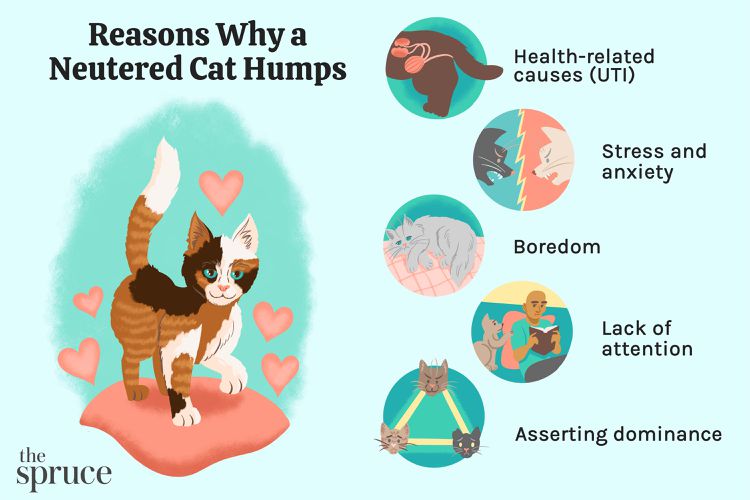
Cat Humping: Why a Neutered Cat Still Mounts
Even if your male cat is neutered, he may continue to mount and hump cats or other objects because of health problems or behavioral issues.
Thai Ridgeback: Dog Breed Characteristics & Care
Learn all about the Thai Ridgeback, a rare breed from Thailand. Find out how to care for the loyal dog and where to buy or adopt one.
Doberman Pinscher (Dobie): Dog Breed Characteristics & Care
Doberman pinschers are intelligent, loyal, and athletic dogs. Find out more about them, including their history, fearless nature, care, and needs.
14 Pointer Dog Breeds
Pointers extend past the English or German shorthaired pointer. Learn more about the history and temperament of 14 popular pointing breeds.
Bernedoodle: Dog Breed Characteristics & Care
The Bernedoodle is a hybrid dog breed created by crossing Bernese mountain dogs with poodles. Learn about their fun-loving personality and common health issues.